
 Español
 Nederlands
 Chinese Mandarin

Whether you agree with the quote, ‘Your life does not get better by chance; it gets better by change,’ (Jim Rohn, 1930–2009), the process of renewal cannot happen without it.
In education, change can be difficult, but progress often depends on how the community adapts. When done right, change can allow both students and educators to develop new skills and perspectives. However, it does not just happen and needs to be managed with care and vision. Educational transformation can cause stress, and “coherence is difficult to accomplish under conditions of overload, fragmentation and policy churn” (Fullan, 2016).
One of the biggest challenges that educators of the very young face is teaching every child to read. This is further complicated with English as an additional language and the multi-levels of neurodivergent students. Despite this, most educators do agree that synthetic systematic phonics is the best way to help all learners break the code of reading in English.
At Greengates School Mexico, we started the process to revitalise our phonics teaching over a year ago. Our first step was to look at the programmes on offer, and after extensive research, we were happy to find the partnership offered by Monster Phonics and the ICA. As an IEYC and IPC school in Mexico, with a varied international and national school community, we needed something that was simple enough to implement, with resources online. It also needed to be deliverable by teachers trained in different countries, including those with English as a second language. Monster Phonics has bright, engaging characters, rhymes and actions to help smooth over the undeniably difficult decoding in English, and the resources are easy to adopt.
Teachers experience more stress when established approaches are replaced or adapted (Hibbs, 2024). However, as a staff body, we agreed that we needed to improve, as there was little consistency across phonics teaching and that many Reception students were reading ready but not being given the basic skills they craved. We included all staff in the decision-making process and trialled different resources. Once we had decided on Monster Phonics, a phonics lead was appointed to develop and communicate a clear vision so that teachers understood the purpose and direction of the change. This helped to reduce resistance and improve teacher engagement.
Luckily, the Monster Phonics training is all online and easy to follow, and the programme offers bespoke support. This empowered staff and promoted training in the middle stages of adapting to change. The new phonics lead facilitated staff meetings, and together we carried out a series of learning walks to ensure consistency and to encourage confidence among all practitioners. The simple but effective routine of all the classes quickly became second nature, and ‘my turn, our turn, your turn’ is now also used in classes other than phonics.
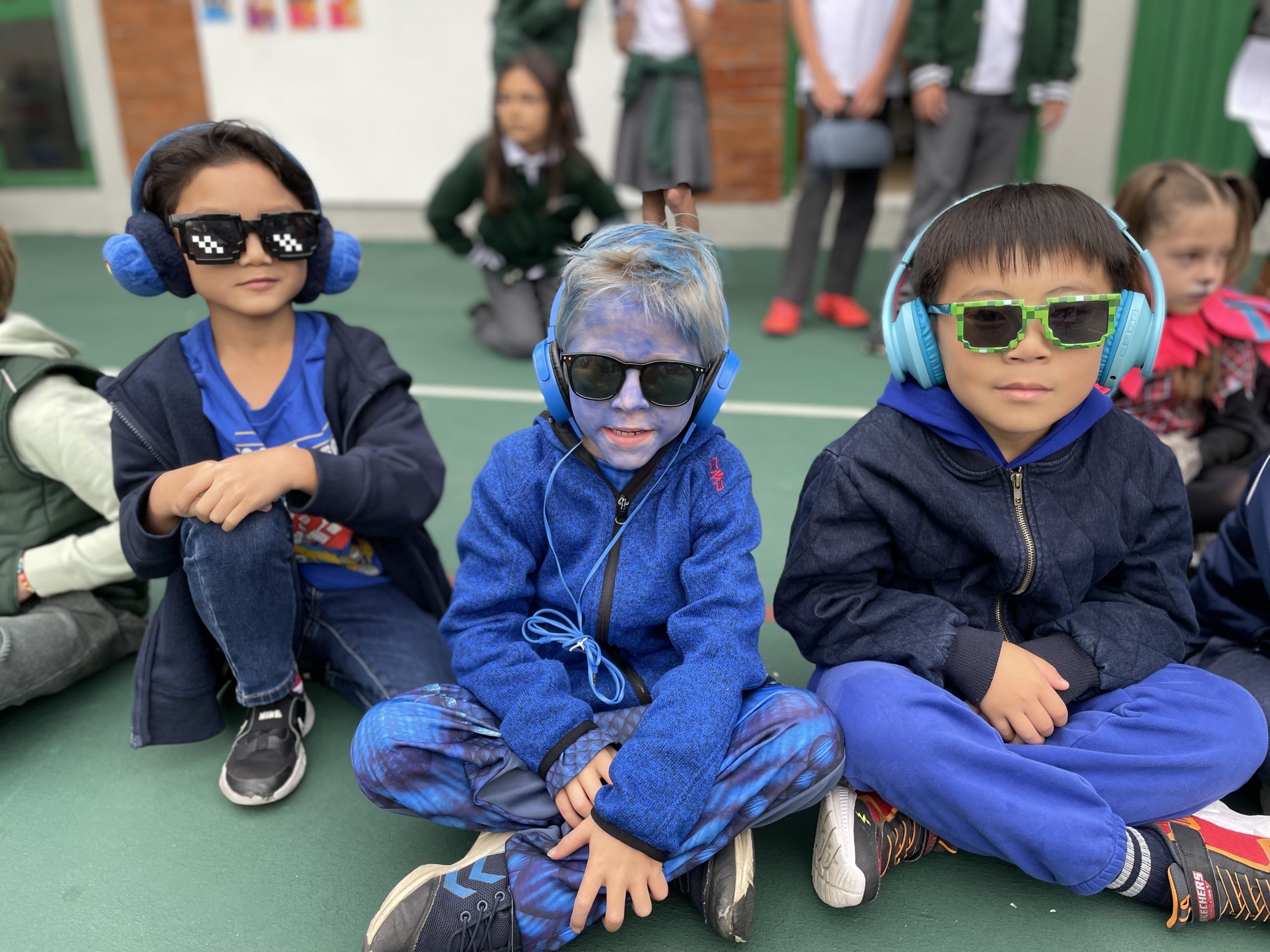
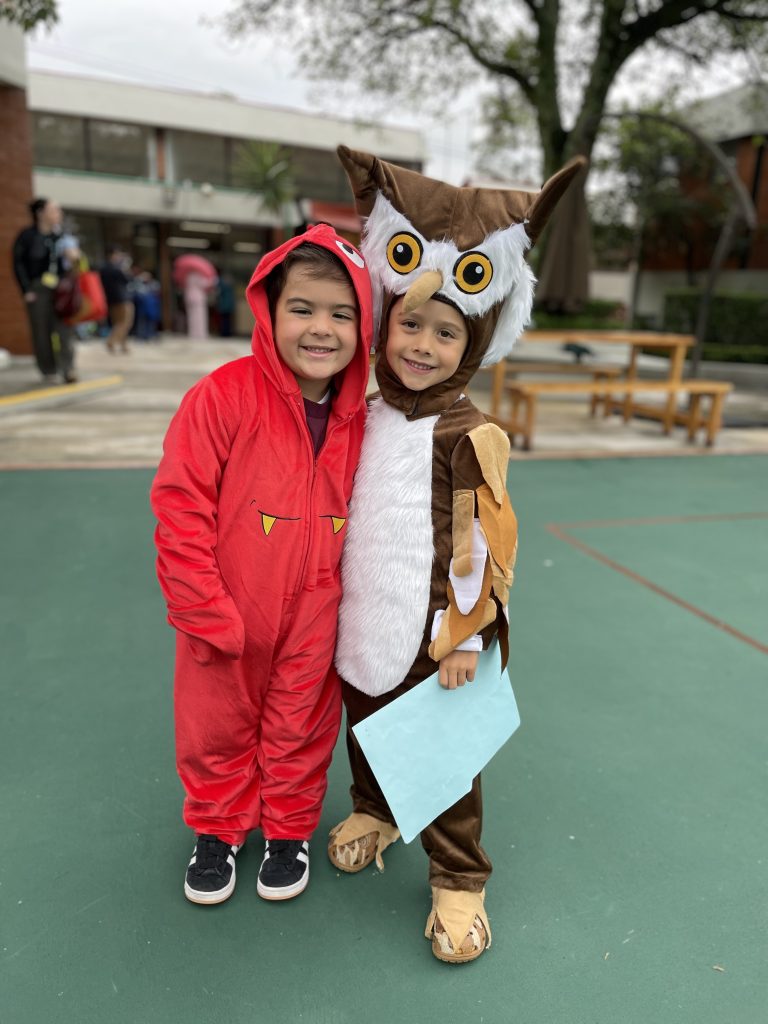
When leading change, it is important to build confidence and sustain motivation, and this was seen during the Monster Phonics launch. Teachers and students dressed as their favourite characters, and we had a whole day of phonics fun. The programme was further consolidated when the teachers of our youngest learners started commenting that their students were reading. This can truly make teaching worthwhile, that ‘aha’ moment, accompanied by a student’s smile of recognition. So, it was no surprise when the parents also caught the Monster Phonics bug, and Miss Oh No and Cool Blue became everyday vernacular.
The process of educational change (Kotter, 1996; 2012) highlights the importance of embedding through shared practices and norms. As we come to the third term of Monster Phonics, this is becoming our new reality, and we are beginning to see the results. The New Group Reading Test (NGRT) is an important part of our yearly evaluation, but this year we have seen improvements in student results. In previous years, Year 2 students improved by an average of +0.9 months in reading level. This year’s cohort, however, demonstrated (+9.8), suggesting a meaningful difference in impact. In this final term, the students will sit the NGRT again, and we are excited for the results.
Monster Phonics is becoming part of the fabric of teaching reading in our school. The interventions are now in place across Year 3, and we hope that next year the younger year groups will come in line with expected UK teaching. I truly believe the programme works, but the commitment, hard work, and sheer determination of our phonics lead and wider staff team have been equally important. Together, they have sparked a sustained focus on reading that is transforming the reading culture of our school for the better.
Photos from our Monster Phonics Launch Party
The learners came dressed as their favourite Monster Phonics characters, including Cool Blue, Green Froggy, Angry Red A, and Brown Owl. We had a colourful character parade before spending the rest of the morning enjoying fun phonics games and creative activities inspired by each monster. Cool Blue even hosted a disco party!
Hear more from ICA schools
Want to see more of the ICA in action? All subscriber schools have access to icaVoice, our monthly magazine with updates and insights from ICA schools. Book a meeting to explore joining the ICA today: https://pd.internationalcurriculum.com/course/ica-od-infosessions?_gl=1*1s61888*_gcl_au*NTc4NjQwMjEyLjE3ODExODg0Mjc.