Español
 Nederlands
 Chinese Mandarin
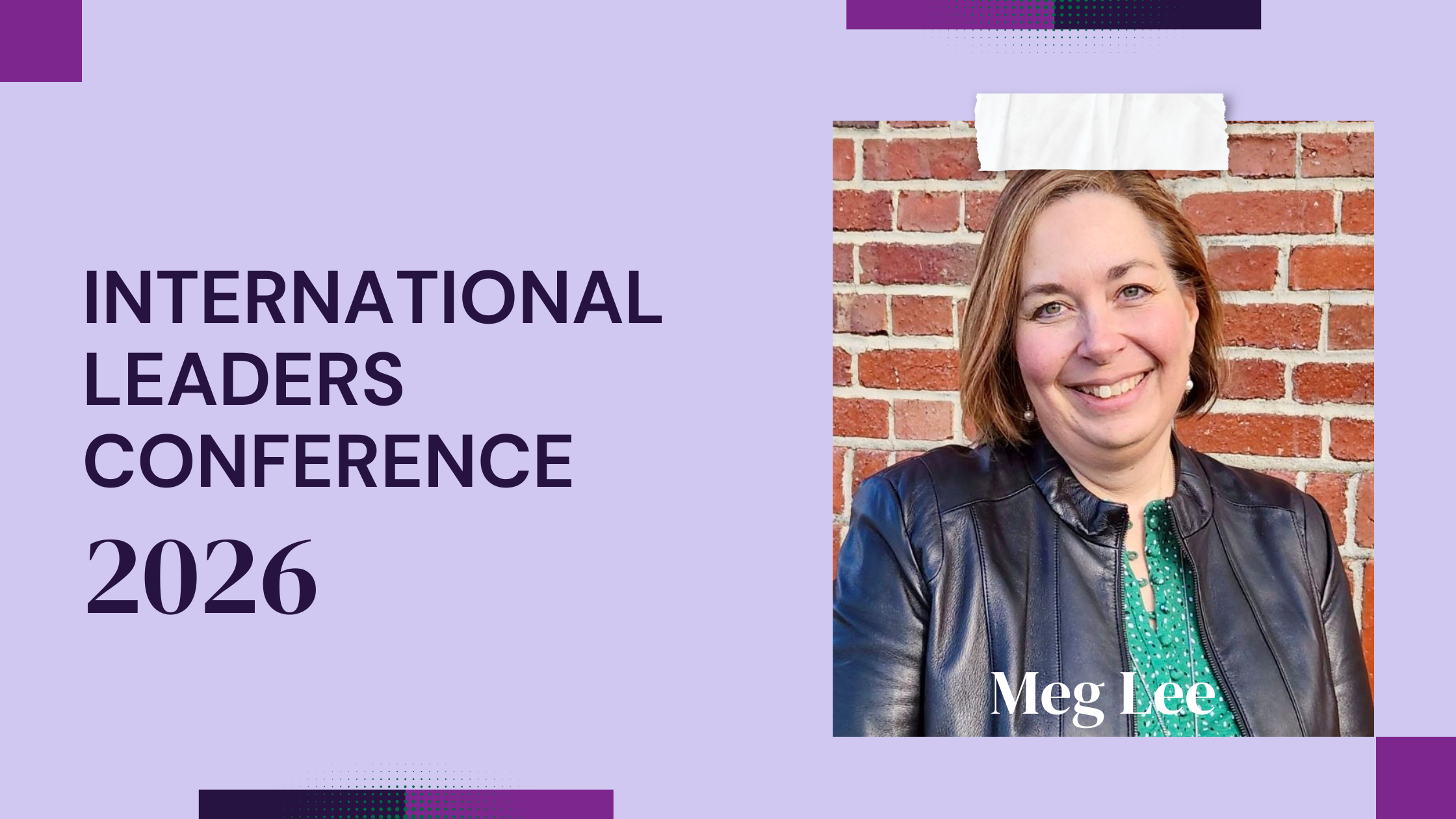
In a fast-moving education landscape filled with new ideas, products and pressures, it can be difficult for leaders to know where to focus their time and energy. At the upcoming International Leaders Conference 2026, Meg Lee will challenge leaders to slow down, think deeply, and use evidence to drive meaningful, lasting change.
With over 30 years’ experience in leadership roles in a large school system, including a decade specialising in learning science implementation, Meg brings a powerful perspective on how organisations – not just individuals – learn. In this exclusive Q&A, she shares practical insights on leadership, implementation, and why doing fewer things better might be the key to real impact.
If you want to hear more of what Meg has to say, book your ticket to the International Leaders Conference 2026.
Can you tell us about your background and what you’ll be speaking about at the conference?
My name is Meg Lee, and I specialise in evidence-informed implementation at the school and district level. I spent 30 years working in a large district in the United States, supporting the implementation of learning science across around 45,000 students.
At the conference, I’ll be focusing on how we can bring meaningful learning to adults within organisations, looking at the difference between surface-level knowledge and deep, flexible understanding, and how systems can move towards more sustainable, scalable learning.
What is the biggest challenge school leaders face right now when trying to implement change?
I believe the biggest challenge is staying focused. There’s so much for leaders to think about, it’s easy to spread efforts too thinly.
The key is deciding where to invest efforts – identifying the few priorities that really matter and committing to them long enough to make a difference, without creating initiative fatigue for staff. It’s about balancing strategic clarity with a deep awareness of the human impact on the people doing the work.
Why do so many promising initiatives fail in schools?
One major reason is overload; too many initiatives placed on already full plates. But another key issue is a lack of alignment. Too often, schools don’t take the time to ask: How does this fit with what we’re already doing? Without that, initiatives feel fragmented rather than coherent.
There’s also a crucial question leaders need to ask: not just what are we adding? but what are we taking away? Sustainable change depends on making space for new priorities, not just stacking them on top of everything else.
What does effective leadership look like in practice today?
Effective leadership combines strategic thinking with a strong focus on people. It’s about understanding the strengths within your team and using them to build collective capacity. Great leaders don’t try to be the expert in everything, they recognise the expertise around them and create the conditions for others to lead. That sense of collective efficacy is what really drives progress.
What’s one trend in education that leaders shouldn’t ignore right now?
The rise of “quick fixes” and ready-made solutions being marketed to schools. Leaders are constantly being sold new programmes, tools and approaches. The important thing is to stay grounded in evidence. Leaders should always ask:
- Is this aligned with how we know people learn?
- Does it fit our specific context?
- Do we have the capacity to implement it well?
It’s not just about financial resources but time too. So, being thoughtful about how both are used is critical.
How should leaders be thinking about AI in education right now?
AI is an emerging area, and we should approach it with cautious optimism. There are opportunities – particularly in improving efficiency for teachers and leaders – but we need to be careful.
The most important thing is to anchor decisions in what we already know about how learning works. Rather than rushing in, leaders should take a deliberate approach, ensuring that any use of AI supports, rather than undermines, effective learning.
Why is it important for school leaders to come together at events like this conference?
As leaders, we spend so much time developing others that we often neglect our own learning.
I think of it like the instruction you hear on an aeroplane – put your own oxygen mask on before helping others. Leaders need to create space to build their own knowledge and capacity so they can better support their teams. Events like this provide that opportunity, allowing leaders to step back, learn, and refuel.
What advice would you give to leaders who are feeling stretched too thin?
First, recognise that feeling stretched is part of leadership, especially in education, where the work is deeply human and emotionally demanding. One helpful strategy is to separate yourself as a person from the role you’re in. Sometimes difficult decisions come with the position, not the individual.
It’s also important to find small ways to regain control and clarity. Even something simple – for example organising a space or completing a manageable task – can create the headspace needed to move forward with calm and focus.
What’s one idea you hope to challenge in leaders’ thinking?
I want leaders to start applying what we know about how individuals learn to how organisations change.
Schools and systems are made up of people, so the same principles apply. Just as students experience cognitive load, so do organisations. Just as prior knowledge matters for learning, it matters for change.
If we understand how learning works at an individual level, we can use those same principles to design more effective, sustainable change across entire systems.
Join Meg Lee and other outstanding speakers at the International Leaders Conference taking place between 7 -8 May online. This is a live, interactive conference – designed for shared reflection and practical next steps, not passive viewing (it won’t be available on demand), so make sure you secure your place today.
Author