Español
 Nederlands
 Chinese Mandarin
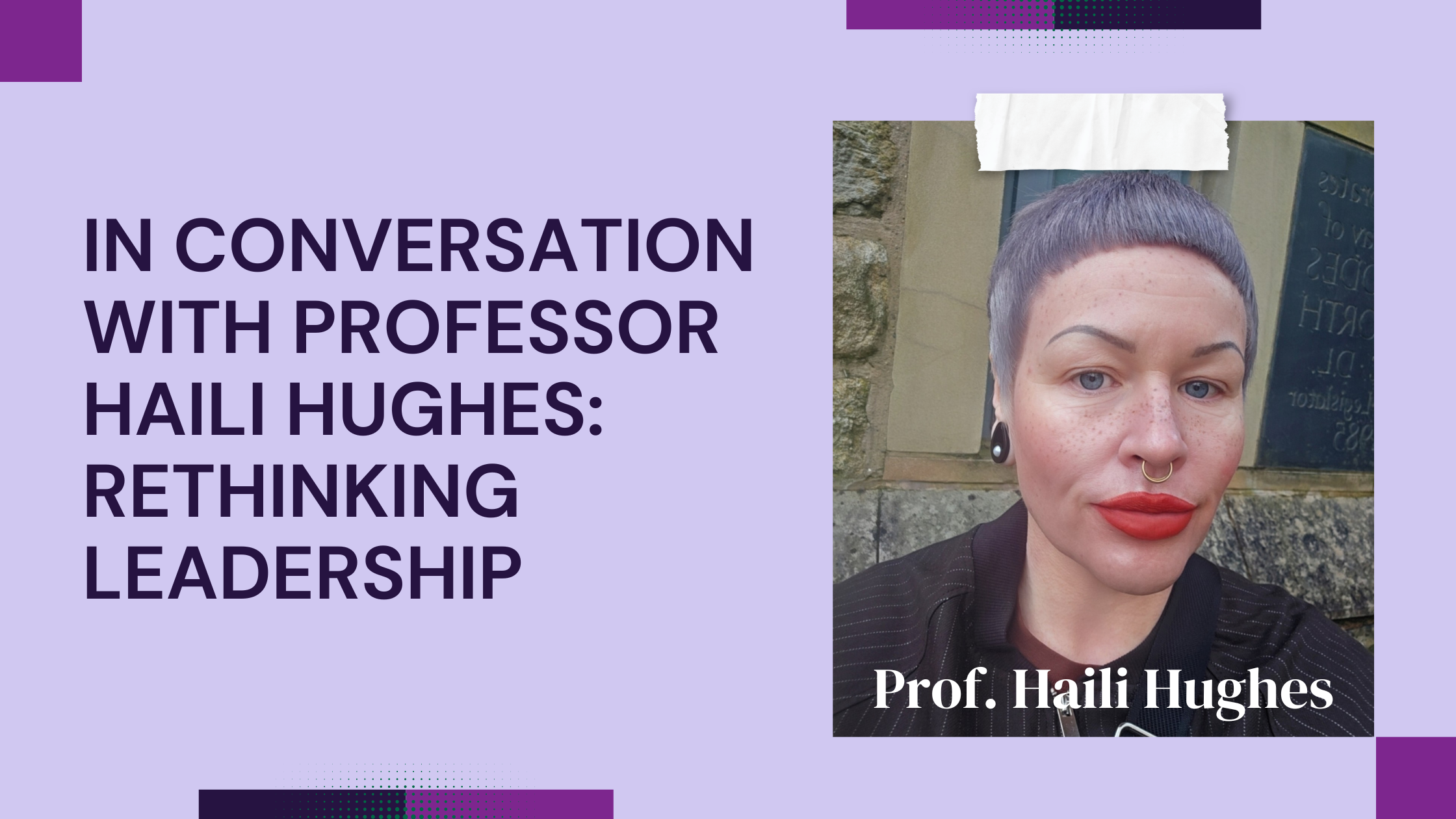
As school leaders navigate competing priorities and growing pressure on staff retention, the need for clear, sustainable leadership has never been greater. In this exclusive Q&A, teacher mentoring expert Professor Hughes shares her insights on leadership challenges, why initiatives fail, and how leaders can build schools where both staff and students thrive.
Can you tell us a bit about your background?
My name’s Professor Haili Hughes. I started my career as a national newspaper journalist before moving into teaching English. Now I work as an international expert in teacher mentoring, professional development and teacher retention, talking about how we can intertwine belonging and professional development to create a culture where people genuinely want to stay.
What do you think is the biggest challenge school leaders face right now when trying to implement change?
The biggest challenge is overload. Leaders aren’t trying to do things badly, but they are often trying to do too many things at once in very complex environments. Even strong ideas can fail when added into systems that are already crowded or fatigued.
So, the real challenge isn’t just choosing the right initiative, but deciding what to stop, what to sequence, and how to prevent change from becoming just more noise.
Why do so many promising initiatives fail in schools?
Partly it’s that same overload and initiative fatigue. But it’s also because education sometimes chases the next “silver bullet”. We want impact immediately, so we go for the shiny solution instead of addressing the real problem.
Often, schools already have the right ideas in place, the challenge is giving them enough time and support to fully embed and make an impact. And crucially, if staff don’t understand the why or feel supported in the how, even great ideas will fail. It’s not always the initiative; it’s the mismatch between ambition and capacity.
What does effective leadership look like in practice today?
Effective leadership must be calm, clear, and consistent. It’s about making good decisions under pressure without passing that pressure onto others.
It also means communicating purpose, prioritising sharply, and building a strong culture – not just in theory – but in the daily lived experience of staff. The best leaders combine moral purpose with practical wisdom.
What’s one trend in education that leaders shouldn’t ignore right now?
Using professional development as a retention strategy. We talk a lot about recruitment and workload- and those matter – but people stay when they feel they are growing, contributing, and trusted.
Development opportunities, mentoring, coaching, and leadership pathways aren’t “nice to have”, they’re essential. Schools need to become places where people can build a career, not just do a job.
Why is it important for school leaders to come together at events like our ICA conferences?
Leadership can be incredibly lonely. One of the most powerful things is realising that others are facing the same challenges. Events like conferences offer perspective, community, and space to reflect. They’re not just about content but act as “sense-making” opportunities. They help leaders step back from the urgency of school life and think more clearly about their own context.
What advice would you give to leaders who feel stretched too thin?
Be ruthlessly honest about what’s essential. Not everything urgent is important, and not everything worthwhile has to happen now.
Protect your thinking time. Focus on what only you can do, and delegate or delay the rest. Leadership isn’t about carrying everything; it’s about building systems and people, so the organisation doesn’t rely on your exhaustion.
What’s one idea you hope to challenge in leaders’ thinking?
That leadership is about heroic individual effort. Schools don’t improve because one person works harder, they improve when leadership is distributed effectively.
When staff feel trusted and involved, change happens with people, not to them. If I can shift leaders away from performative busyness towards sustainable, purposeful leadership, I’ll be very happy.
Author