Español
 Nederlands
 Chinese Mandarin

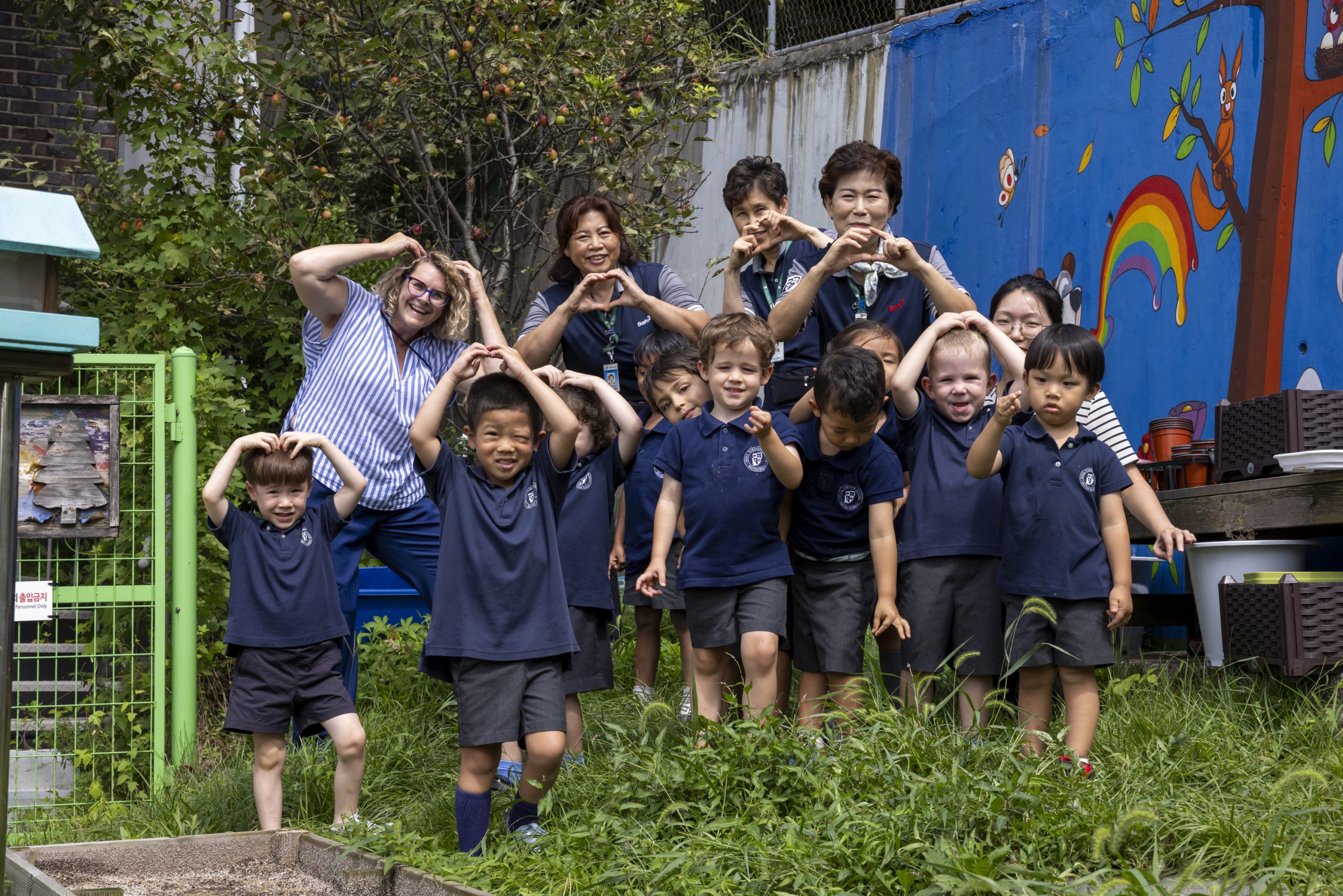
How the Seoul British Foreign School uses the IEYC to build the foundations for learning, promote community engagement, and student awareness and appreciation for the world around them
For the past eight years, I have taught three- to five-year-olds in the Foundation Class at Seoul Foreign School’s British International School. We call it Foundation Class deliberately: we are building the foundations for children’s learning journeys, but also for the kind of people they might become.
For me, that means creating opportunities for children to act—to notice, to help, to contribute and to understand that they have the power to make a difference.
I believe that one of the greatest resources we have as educators is people. “How can we use the humans?!” is something I often hear myself saying when planning the units. Our communities are full of people with skills, knowledge and stories that can enrich children’s learning in ways we could never create alone.
One of my favourite examples began with our school’s Korean ajumeoni — the women who care for our grounds and cleaning. I noticed that many of them were wonderful gardeners, growing vegetables and flowers in small spaces around the school. Rather than deciding what our garden project should look like, I invited them to become the experts and I wanted it to be something for them as well as for us.
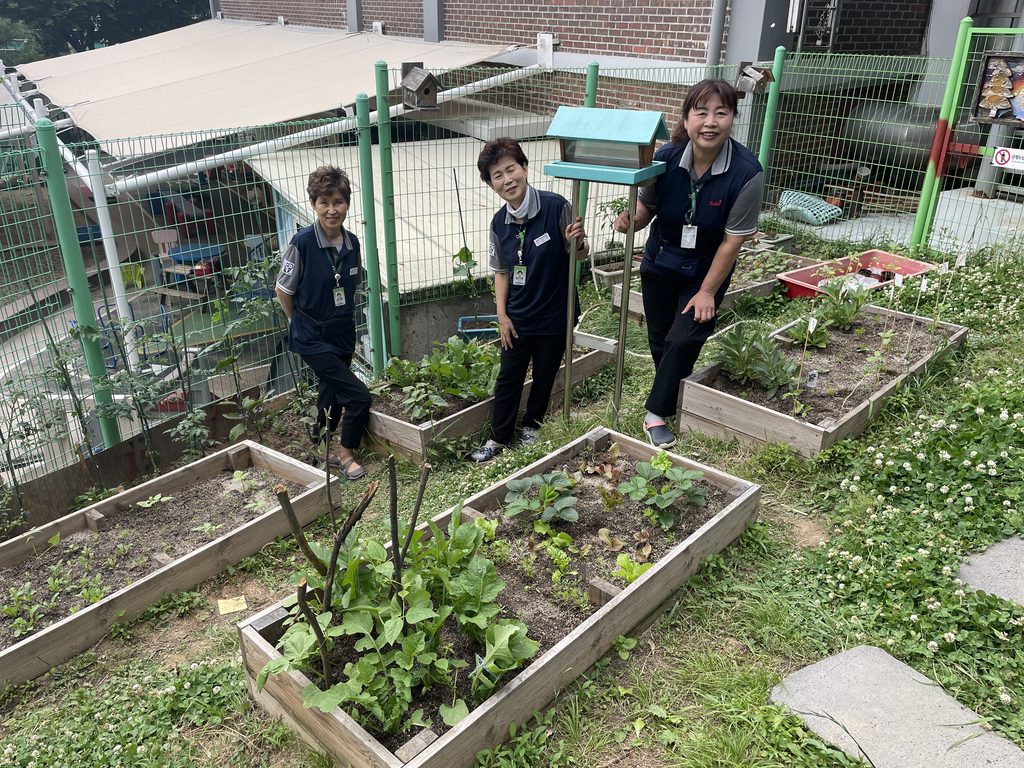
With the support of the school, we established raised garden beds, and the ajumeonis were given the freedom to grow whatever they wanted. Our children helped prepare the soil, plant seeds and care for the garden. Then, after the summer break, we returned to find beans, carrots, watermelons and even peanuts growing.
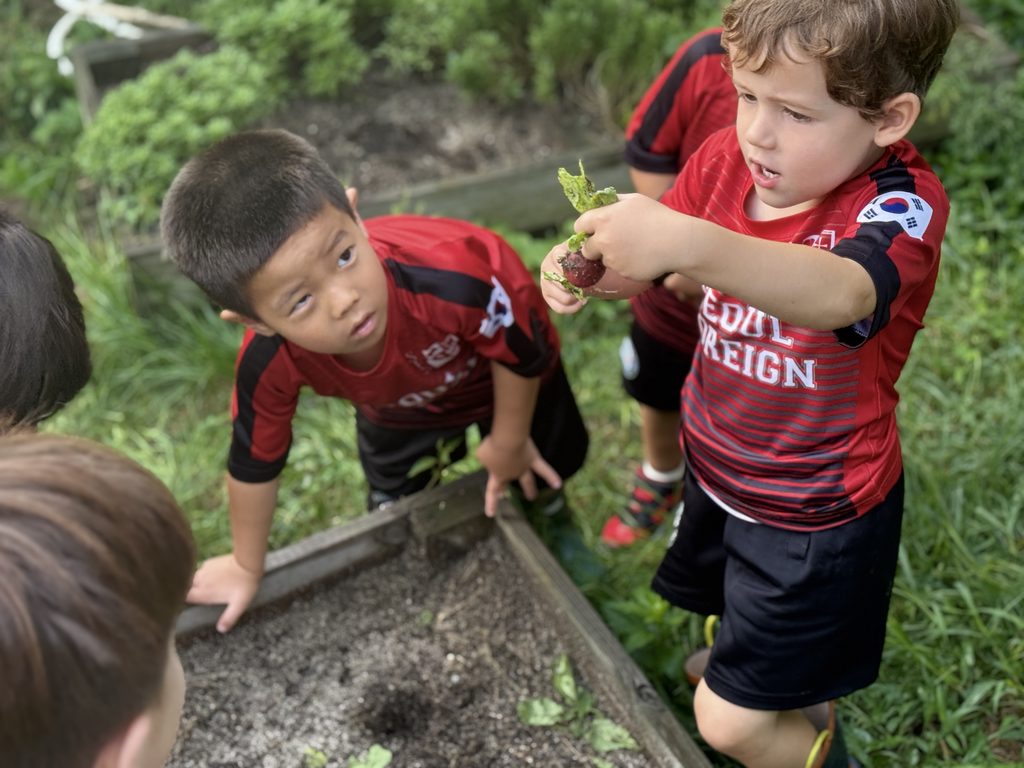
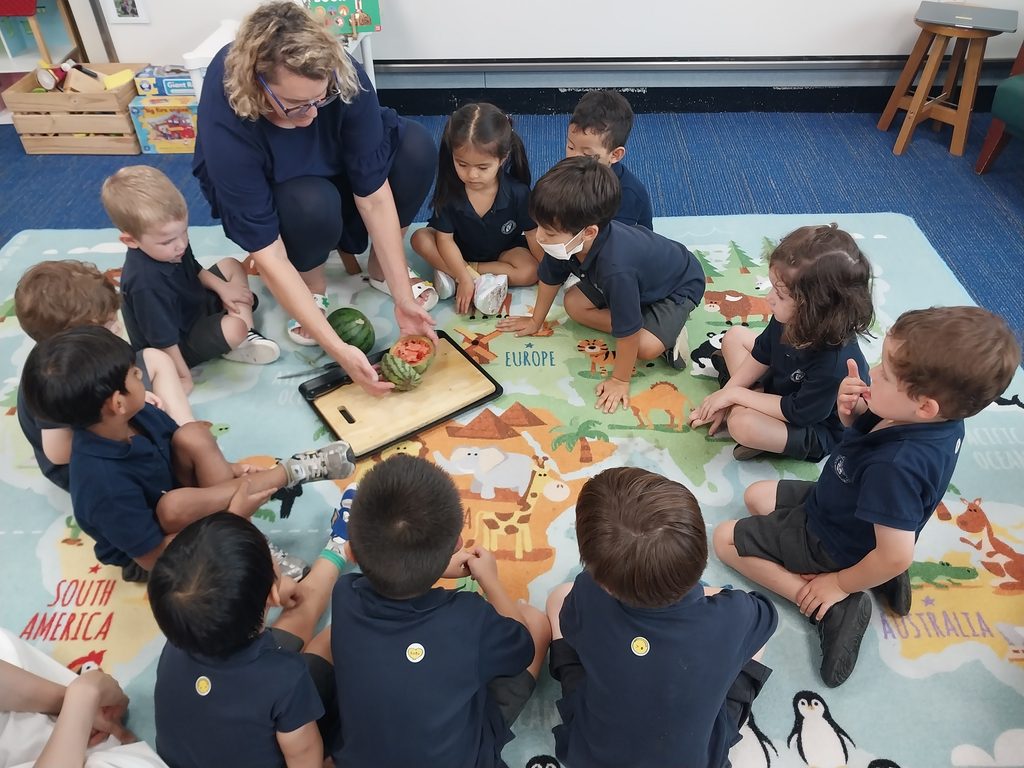
But the real learning wasn’t just about gardening. The children wanted to say thank you. We talked about how sometimes saying thank you directly can feel difficult, particularly across cultures and generations. So instead, we harvested the carrots, made soup together and invited the ajumeonis to share it with us.
Around that table, relationships changed. People who had previously been part of the background of school life became people we knew. We learned their names, their stories and about their lives outside school. They were no longer simply ajumeonis. They were members of our community.
The experience also reminded me that action requires listening. Before we began the project, I asked my teaching assistant to speak with the women involved. Would they feel comfortable? Could participating create difficulties within the existing staff structure? One woman worried that she might “get in trouble.” That mattered. We paused, listened and made sure participation was genuinely a choice. For me, community engagement isn’t about creating impressive projects for the sake of it. It is about noticing opportunities, listening carefully and then doing something meaningful with them.
That extends into our families too. When my students became passionate about adopting a polar bear during a weather unit, they decided they wanted to raise the money themselves by doing extra jobs at home. I shared their thinking with parents through Seesaw, connecting the project to our curriculum and our values of respect and responsibility. The parents weren’t simply supporting an activity; they understood why we were doing it. I have also learned that action doesn’t have to be big. It can be a thank-you letter. Planting a seed. Sharing a bowl of soup. Helping someone. Asking a question. Inviting someone in.
As teachers, we have an incredible opportunity to model these actions every day. Young children are naturally curious, empathetic and eager to help. At three, four and five years old, they don’t need convincing that their actions can matter. They simply need opportunities to act.
So my challenge to educators is simple:
Start small. Start early. Notice the people around you. Use the humans. And then take action.
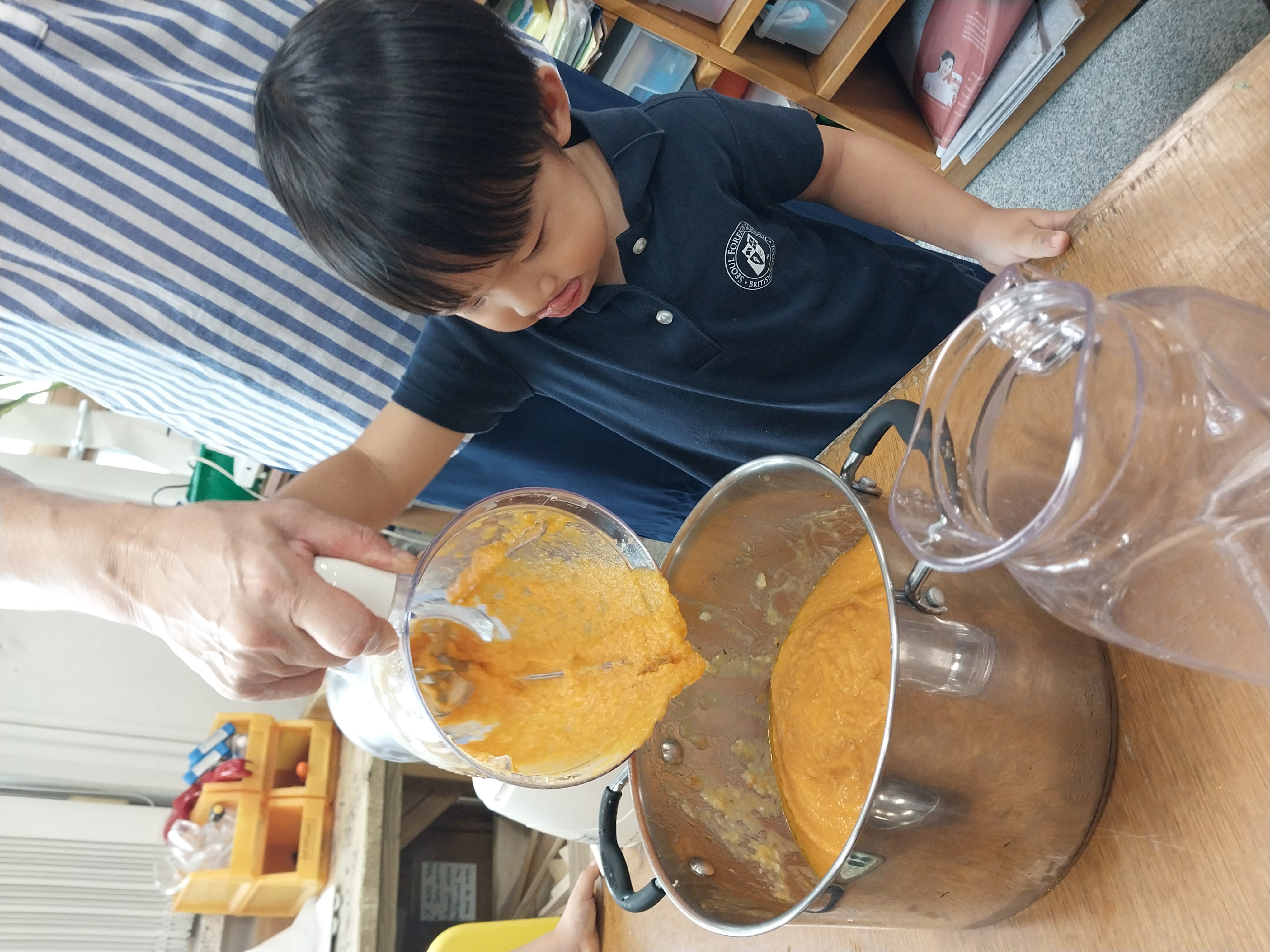
Because sometimes a few carrots, a garden and a bowl of soup can teach children something much bigger: we all have a part to play in our community.
Author
Katy Freeman
IEYC Educator, Seoul British Foreign School