Search List show here

Back to news

4 October 2023

Norwegian International School: Our IPC Story

At the Norwegian International School, our journey with the International Primary Curriculum (IPC) has been nothing short of transformative. As we look back on our experience, we can say with confidence that this curriculum has not only changed the way we teach but has also brought us closer together as a teaching community.

The Accreditation Adventure

Our foray into IPC accreditation wasn’t exactly a walk in the park. It came with its fair share of challenges and hurdles. However, these challenges turned out to be blessings in disguise. They pushed us to step out of our comfort zones, experiment with new teaching methodologies, and ultimately become better educators. The process helped us identify our strengths and areas where we can improve. It also helps that the Fieldwork staff has always welcomed our questions and provided guidance.

Perhaps the icing on the cake is that the challenges we faced during accreditation brought us closer as a teaching team. We learned to lean on each other for support and guidance, and the bond that emerged from these shared experiences has been invaluable.

Personal Learning Goals: Creating Little Vikings

One of the unique aspects of our IPC journey is the use of Personal Learning Goals. We’ve found a creative way to make these goals more relatable for our students by creating “Little Vikings” to represent them. These simple yet endearing characters have become an integral part of our teaching toolkit.

The Little Vikings not only make Personal Learning Goals more accessible to young minds but also help in character development both inside and outside the classroom. Through these characters, children learn valuable life skills and qualities that go beyond academic achievement.

The Joys of IPC

What do we love most about the IPC? Well, it’s like having a reliable roadmap for our teaching adventures. The framework provides a sturdy structure that guides our lesson plans while leaving room for creativity. This flexibility allows teachers to adapt lessons based on available resources and the cultural backgrounds of our students.

Thematic learning, a cornerstone of IPC, is a hit with our students. It’s a joy to see their minds expand as they explore various themes. Sometimes, they stumble upon a newfound interest they never knew they had. It’s a reminder that education can be a thrilling journey of self-discovery.

Moreover, IPC is a superb tool for fostering teamwork. Watching our students develop their interpersonal skills while collaborating with their peers is wonderful. Initially, there may be challenges as children learn to navigate group dynamics, but witnessing their growth and transformation is fascinating.

The Accreditation Journey Continues

IPC 2020 brought its own set of changes. Initially overwhelming, as we delved deeper, we began to appreciate the modifications. The addition of the Sustainable Development Goal units is a great enhancement. It empowers our students to explore global issues and take meaningful actions to address them. The introduction of the metacognition unit has sparked excitement among our students as they engage in something refreshingly different.

Welcoming the Future

As we embark on this new academic year, our goal is to complete our reaccreditation. We approach this task with a sense of humility, recognizing that there is always more to learn and room for improvement in the field of education. It’s a reminder that the journey of learning is a continuous one, and we are committed to embracing it with open hearts and minds.

Learn more about the International Primary Curriculum

Back to news

29 September 2023

Growth Mindset with IMYC

Our recent International Middle Years Curriculum (IMYC) infographic on growth mindset can ignite potential for classroom dialogue and hands-on activities related to the concept.

Here are 6 creative ways to engage with each growth mindset characteristic:

View the infographic here.

1. Embracing change

Reflective questions: Can you recall a moment in your life when you were faced with a significant change? How did you feel, and what did you do?

Activity: Seasons of Change
Have students create art or write short stories capturing the four seasons, reflecting on the natural changes in our environment and drawing parallels to their personal experiences.

2. Showing persistence

Reflective questions: Was there a task or project you almost gave up on? What kept you going?

Activity: Persistence Journaling
For one week, have students maintain a journal of challenges faced, noting when they persisted and the outcomes of doing so.

3. Being resilient and adaptable

Reflective questions: When did you last face a setback or disappointment? How did you adapt or find another way?

Activity: Resilience Role Play
Have students act out scenarios where they are faced with an unexpected obstacle and demonstrate resilience in overcoming it.

4. Being receptive to feedback

Reflective questions: Can you remember a piece of feedback that initially stung but proved invaluable? How were you receptive to the feedback?

Activity: Feedback Discovery
Students in groups of 3-4 first discuss the difference between generic and constructive feedback. They then exchange work and, using their new understanding, provide thoughtful comments. After sharing, groups reflect on how it feels to both give and receive truly constructive feedback, and the importance of being receptive to it.

5. Setting long-term goals

Reflective questions: Why do you think it’s essential to have goals for the distant future? How might they guide our daily actions?

Activity: Goal Tree
Students sketch a tree on paper or digitally. The roots symbolize their present strengths and challenges, anchoring them in the present. The trunk outlines medium-term goals, illustrating growth and their journey. Lastly, the branches stretch out, capturing long-term aspirations, each leaf representing a distinct dream or milestone. Once completed, students can discuss their trees, providing insight into their current state and future ambitions.

6. Being Inspired by the success of others

Reflective questions: Who in your life or in history has achieved something that truly inspires you? Why is this?

Activity: Inspiration Gallery Walk
Students create posters or digital slides about individuals who inspire them. These are then displayed, and students tour the “gallery,” discussing and sharing stories of inspiration.

Learn more about the International Middle Years Curriculum

Back to news

19 September 2023

7 Ways the IPC Helps you Engage Learners and Increase Motivation through Enjoyable Learning

All International Primary Curriculum units are designed with the learner at the centre and are structured to make sure that children’s learning experiences are stimulating and therefore effective.

In IPC classrooms we don’t just want children to just be busy, we want children who are busy learning!

While learning activities are provided in the units for teachers, we recognise that teachers have a significant influence on student achievement. Here are 7 ways you can enhance learner engagement and motivation for learning.

  1. Make Learning Meaningful: Help children to see the relevance and real-world connections of what they are learning. Explain why their learning is important. Offering children content choices within tasks such as learning about their home country or allowing them to select their method of recording both increase the connection that children have with their learning. We encourage the use of current affairs and news stories to enhance tasks, this can show how what is being learned is relevant now and in the future.

  2. Prior Knowledge: IPC learners should be co-constructors rather than passive objects of their education. In the Knowledge Harvest children share what they already know about the upcoming unit, which can then be tailored to their needs. Making connections between prior learning and new content strengthens learning and builds confidence a great motivator for engagement.

  3. Experiential and active: While the Entry Point is an exciting and memorable experience, the Research, Record and Reflect activities are designed to be memorable for the learning. The tasks have been designed to be engaging and enjoyable, where learners are able to interact socially and with their environments.

  4. Learner agency: The Exit Points are learner-led, they promote the synthesis of the learning from the subjects across a unit.  Children are encouraged to decide on the best way to share their new Knowledge, Skills and Understanding with the school community making choices about both method and message. Student-led action can take place at any time and be individual or provide the opportunity for learners to advocate for a particular issue and coordinate group action efforts. Learners know they can make a difference through small behavioural changes or collaborative campaigns.  

  5. Building metacognition: Learners are introduced to metacognition through our unique Brainwave units. These help learners develop self-regulation and to know more about how they learn.  Teachers should regularly revisit metacognitive strategies and apply them within units as well as reminding learners to plan, monitor and evaluate their learning. Metacognitive skills and self-regulation are tools that empower learners to go further and face challenges including those they set themselves.

  6. Positive classroom environments: The IPC is made up of Subject, Personal and International Learning. Personal Learning supports children in developing dispositions to form healthy relationships and make positive choices in the classroom and beyond. Developing a growth mindset through appropriate challenge and praise for effort will foster stronger learner engagement. Resilience and adaptability support this and directly impact on learning.

  7. International Learning: International is an overarching concept in the IPC and ensures that all children can ‘see’ themselves in the curriculum and make connections to their own lives. The relevance of the curriculum through the international area of the curriculum is motivating for learners and secures individual engagement across all subjects.

Real engagement isn’t just engagement of students (signs of attentiveness and fulfilling requirements); it’s also engagement by students, evidence that they are interacting with what they learn.

4C’s for Better Student Engagement, Fisher and Frey, ASCD 2023


Learn more about the International Primary Curriculum
Back to news

12 September 2023

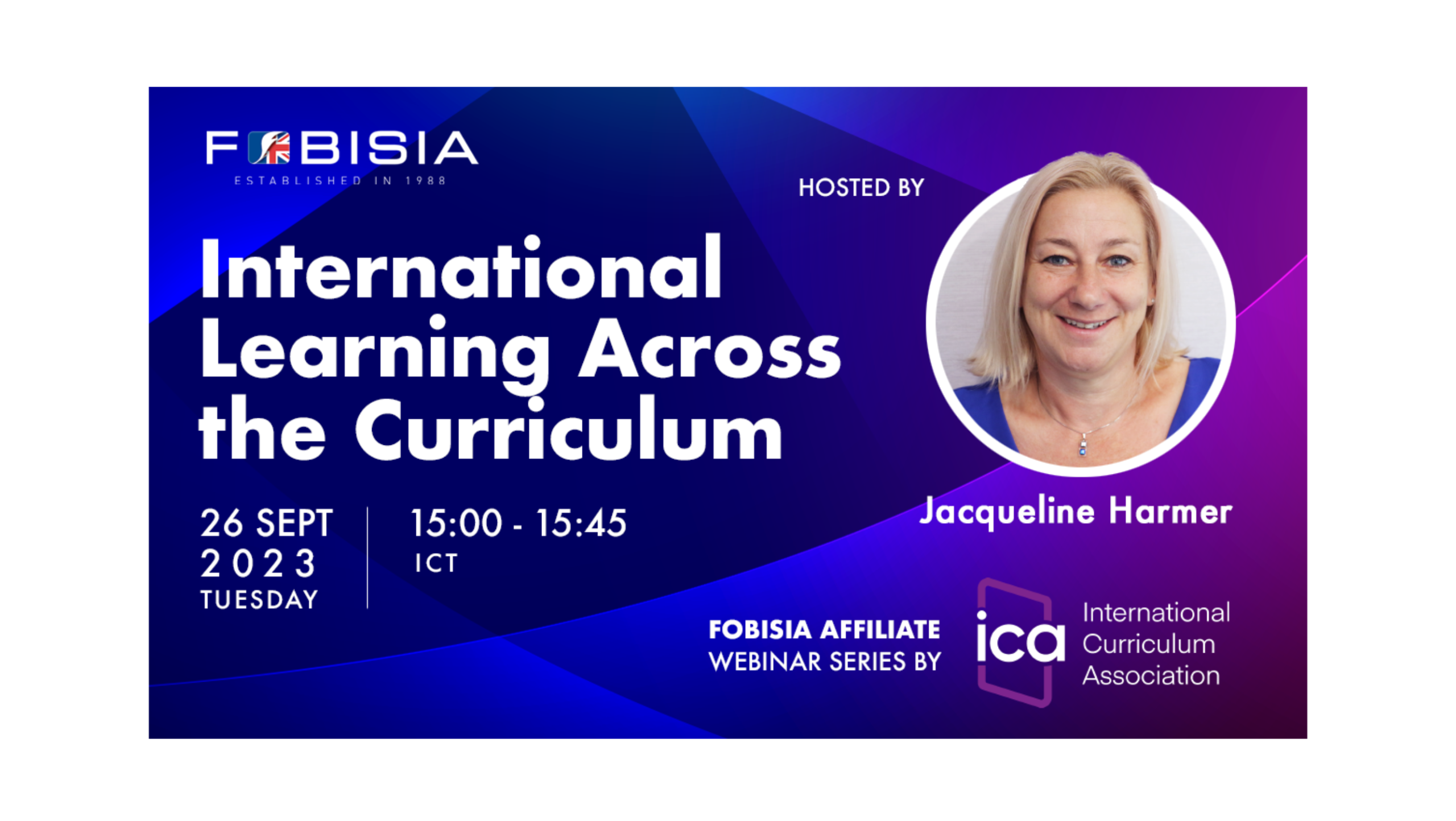
FOBISIA – International Learning across the curriculum

26th September | 3pm

This session will explore how international learning can permeate all aspects of the curriculum. I will explain the importance of international learning and the impact of all children seeing themselves in the curriculum. We will discuss expanding beyond international mindedness to global competence which should lead to taking action. The SDGs provide a context for further exploration of international learning. I will also explain the strategy of home, host, heritage and adopted countries to enhance the curriculum. The iceberg model will help us understand how we can go deeper with cultural exploration and learning.

If you are a FOBISIA Member School please register here.

Back to news

11 September 2023

Accreditation, Embedding the Curriculum and Moving Towards Mastery

Keeping your teachers and students engaged right up until the end of the school year is often a consideration for many school leaders. What can you do to ensure that the whole school is working in harmony together to improve learning?

Judy Dawson from Greengate’s school in Mexico shares her solution and the process of Accreditation for them.

Entry Point:

At the beginning of the school year, in August, our curriculum coordinator announced that in June we would be considered for Accreditation. He shared a beautifully colourcoordinated Teaching and Learning policy in preparation, however, it still seemed such a long time away. There were students to settle, displays to mount, and Brainwave units to delve into.

Knowledge Harvest:

What followed was a series of staff meetings to gauge where we were as a staff. We reviewed our practices; the school’s vision and definitions for learning, international mindedness, and teachers’ understanding of the process to facilitate learning. After a long day of teaching, we were faced with a match the definitions activity where the answers were presented in a lightly veiled manner. “You just put most of this on your classroom walls last month,” he encouraged, sighing as someone spilled coffee over the carefully collated posters and another stuck a Post-it on their forehead. Still, with eight months to go, he was confident we could get there.

Explaining the theme:

And onto the action plan. In science, we would be consolidating planning, teaching, differentiation, and interventions. In English, we would be learning how to free up time by embedding the language goals into our unit lessons. In Geography, we would learn how to negotiate the best spaces around the school for the most effective entry and exit points and how to collaborate with our collogues. In Health and Wellbeing, we would, of course, carry out an investigation into which parents provided the best-themed snacks and when the laminator might be free.

Research and record:

The curriculum coordinator provided us with bite-size pieces of information during weekly staff meetings and working parties throughout the year. By this point all the students could recite the school’s vision, ‘CHILI: characterful, independent learners who are internationally minded’, but the teachers still struggled to name all eight Personal Learning Goals without a hint. We continued to be resilient but what we really needed was a nap!

We struggled with cohesive answers to questions such as, ‘How can we plan for and use a variety of classroom approaches? How do you know what your students are learning?’, even though we were sure we were doing it. We unpacked the assessment policy and revisited the latest research on progressive pedagogy. ‘How internationally minded are we?’ our school leader asked. ‘Does eating samosas at the international fair count?’ someone countered. ‘Yes, yes, but maybe we can go deeper,’ he suggested. The worry in his eyes was palpable. It was already February.

Reflect:

Reflection is a deep-seated part of our student journey. Children in the IEYC learn to think about their learning and successes. Students throughout the school reflect on classes using a traffic light system and exit tickets. Children’s reflections serve to make teaching better. If the exit point from a lesson on Darwin reads, “I learned about the theory of revolution,” there is a good chance something needs to be clarified. More and more we find that children are natural at metacognition, while adults find it much harder.  During the final stages of preparation for accreditation, we had walk-throughs and a variety of adults observed our process. When a student asked how they reflect on their learning in class answers, “zero,” this is a win, not a loss. After all, we have been using Harvard’s Project Zero to encourage reflection and they are referring to the Thinking Routine used for that unit.

Exit Point:

The accreditors viewed the school virtually. It was strange to be observed from a computer. The work and enthusiasm sparkled. The children congregated around introducing themselves but then were quick to forget that the computer was there. The week whizzed by, and the students were used to seeing management carrying around a laptop with an accreditor staring out. Meetings were fulfilled and lists were completed, the curriculum coordinator breathed a sigh of relief. We, his ‘class’ of errant adults, managed to shine. In retrospect that is because while we were busy complaining and trying to dodge staff meetings, he was sharing best practices and embedding practice throughout the years to reach this point. It was an interesting and challenging school year. But the process never stops and although the report clearly recognizes the knowledge, skills, and understanding of learners, teachers, leaders, and the community this will also drive a new action plan with innovations and exciting directions. As an old foot soldier, this is what keeps me going, we never stop learning and we can always get better. Thank you to Anthony Crewdson for helping us through the accreditation process. After a summer of reflection, I will now be stepping into his big shoes and taking on the IPC curriculum lead at school. I look forward to seeing some of you at the IPC conference in October where I will be sharing our journey, and ways to embed the IPC in a whole school approach and offer practical tips.

Through conducting a thorough Accreditation self-review Greengates School was able to gain a deeper understanding of their own implementation of the International Primary Curriculum, unique to their school’s context, that will guide the process for continuous improvement.

Accredited schools are invited to participate in International Curriculum Steering Groups and Advisory Boards to help steer the direction of the International Curriculum, ensuring the International Curriculum continues to be for schools, by schools for the future.

Learn more about the International Primary Curriculum
Learn more about Accreditation

Back to news

11 September 2023

October Events

This October we are at two events! Jacqueline Harmer, Head of the International Primary Curriculum (IPC) is presenting at both. Please see the details for both events below. If you would like to arrange an appointment to have a chat with Jaqueline at GESS Dubai, please email to make a request via our contact page here.

2023 Research Conversations Conference

Saturday 28th October | 8.30am – 12.30pm (AEST) | Virtual

Jacqueline will be sharing two approaches to action research to help teachers get started.

Register for the conference here.

GESS Dubai

30th October – 1st November 2023

Monday

HEALTH AND WELLBEING AS A SUBJECT AND PHILOSOPHY – 30th October, 2023 | 11:00 to 11:20

EMPOWERING LEARNERS THROUGH METACOGNITION: CREATING AND ORGANISING LEARNING FOCUSED ENVIRONMENTS – 30th October, 2023 | 13:30 to 13:50

Tuesday

EXPLORING CONTEMPORARY VISIONS OF EARLY YEARS EDUCATION (Panel member) – 31st October, 2023 | 11:30 to 12:15

IS INTERNATIONAL MINDEDNESS ENOUGH? BEYOND INTERNATIONAL MINDEDNESS TO GLOBAL COMPETENCE – 31st October, 2023 | 13:05 to 14:05


Set up an appointment with Jacqueline at GESS Dubai

Back to news

6 September 2023

Nurturing Reflective Learners: The Power of the IPC & Bloom’s Taxonomy

Nestled in Brazil’s diverse and vibrant landscape, we are lucky at The British School of Rio de Janeiro, to have such an engaging stage in which to deliver our International Primary Curriculum (IPC).  As the Upper Primary Coordinator, I have observed the IPC to serve as a versatile framework that not only encourages active learning but also nurtures reflective learners. This aligns well with modern pedagogical practices, as I discuss in my blog, Technology for Learners—a platform I originally created to continually refine my teaching practice while staying current with curriculum and pedagogical changes. In this article, therefore, I wish to share how our school’s pedagogy has been positively influenced by the IPC.

Guiding Students Towards Reflective Learning with the IPC

One of the aspects I most appreciate about the IPC framework is that it places a strong emphasis on guiding students to become reflective learners.  Through the structured approach of the IPC Learning Process and its emphasis on Learning Goals, we have developed more of a culture of self-reflection among both our teachers and students. 


In fact, we kickstart the academic year by teaching the Brainwave unit to all year groups, which helps children across the school to reflect more about how they learn and what things they can do to improve their learning.  Having this unit at the beginning of the academic year creates a foundational understanding of how learning happens. Brainwave demystifies the learning process for students, inviting them to think about how they acquire new knowledge and what strategies can make this acquisition more effective. (Incidentally, for those who may find the extra resources useful, I have collated our Brainwave planning and resources for MP3 here, which is freely accessible via a dedicated Google Drive folder.)

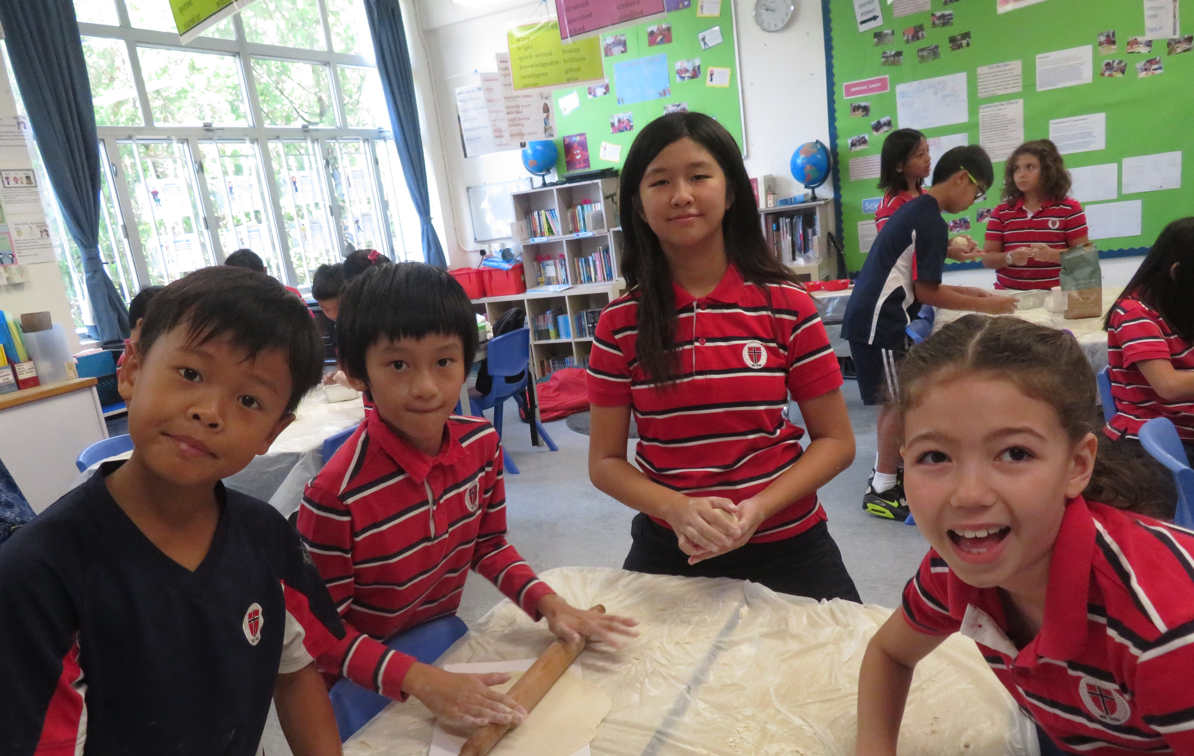
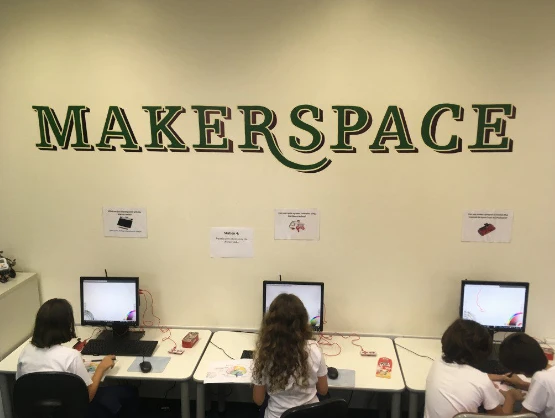
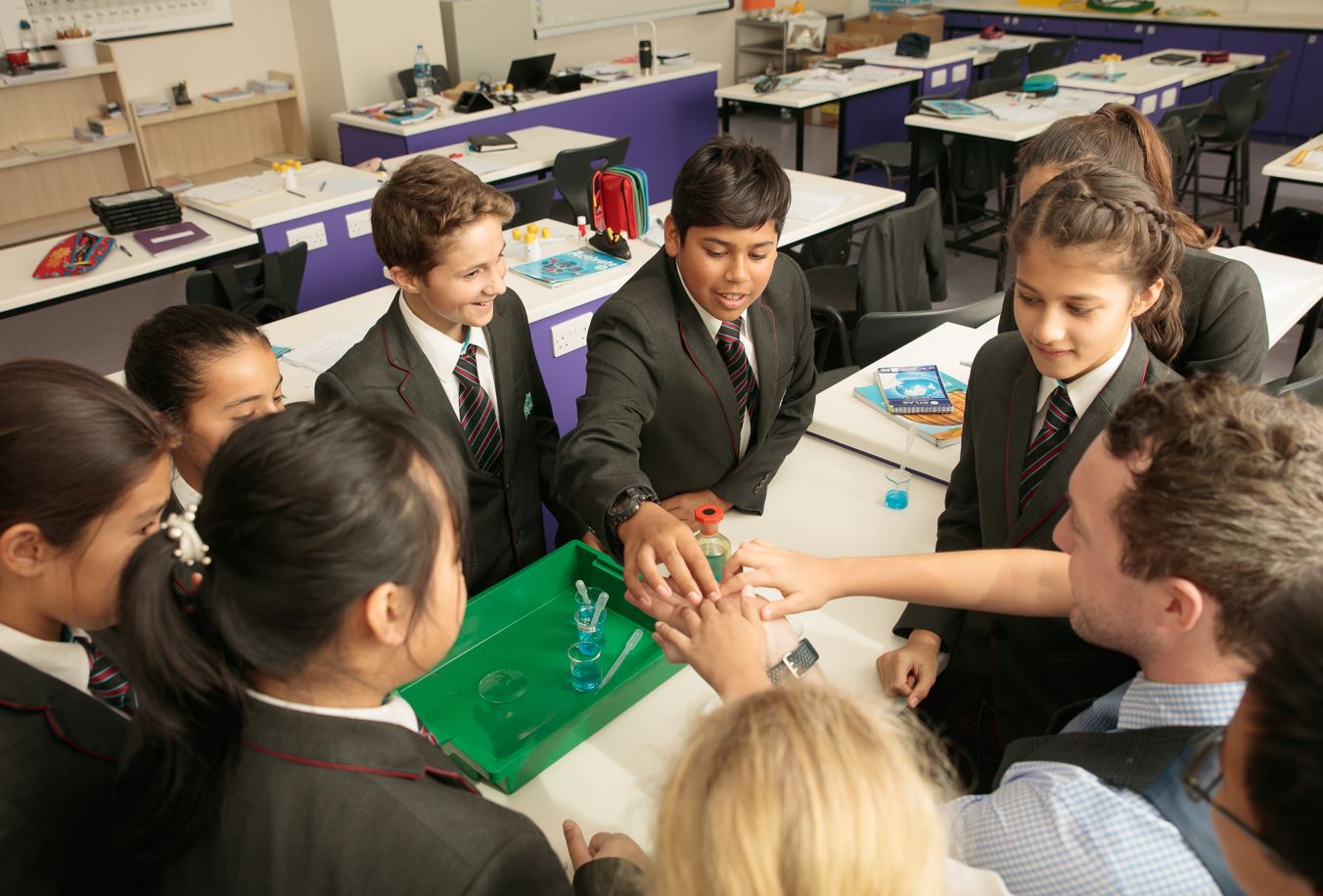
Students immersed in STEAM activities during their Brainwave unit, sparking curiosity and laying the foundation for lifelong learning.

Across all of the units, through “Looking for Learning” questions, for example, we also regularly challenge our students to delve deeper into the ‘why’ and ‘how’ of their learning experiences. We use questions like “Why are you learning this?” or “How will you know if you have been successful in this learning?” to assess students’ knowledge and understanding while helping to ignite their own curiosity.  This is not merely an academic exercise; it’s an important life skill that prepares students for an increasingly complex world.

Using Bloom’s Taxonomy

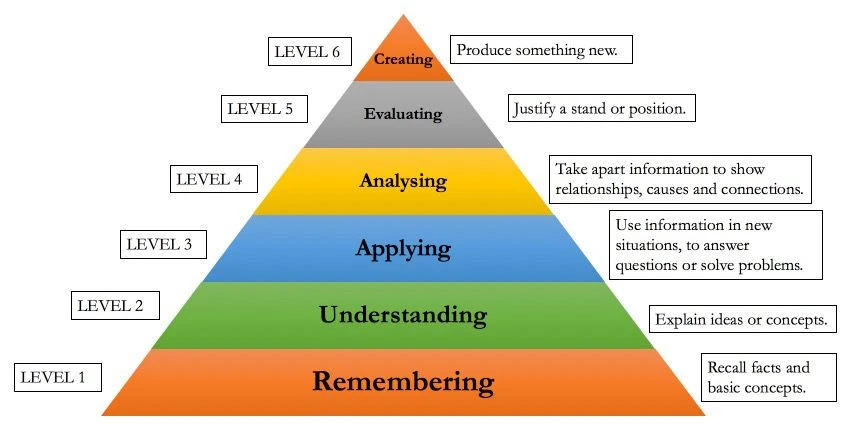
In particular, the IPC has led us to look more closely at Bloom’s Taxonomy, a framework that categorises cognitive skills into six different levels, starting with basic recall (Remembering) and moving up to complex tasks like evaluation (Evaluating) and creation (Creating).  In educational settings, it serves as a guideline for teachers to structure lessons that gradually engage students in higher levels of cognitive thinking.

The IPC’s focus on reflective learning inherently asks students to engage in the higher levels of Bloom’s hierarchy. When students are prompted to reflect on why a particular lesson is significant or how it builds on their previous knowledge, they are participating in analysis and evaluation—two of the higher cognitive skills on Bloom’s ladder.

The reflection demanded by IPC exercises links with Bloom’s categories of ‘Analysing,’ ‘Evaluating,’ and even ‘Creating.’  Students are not just rote-learning facts during their IPC lessons; they are actively synthesising information, critiquing their own understanding, and even generating new ideas based on their reflections.

Experiential Learning: The Climate Control Unit

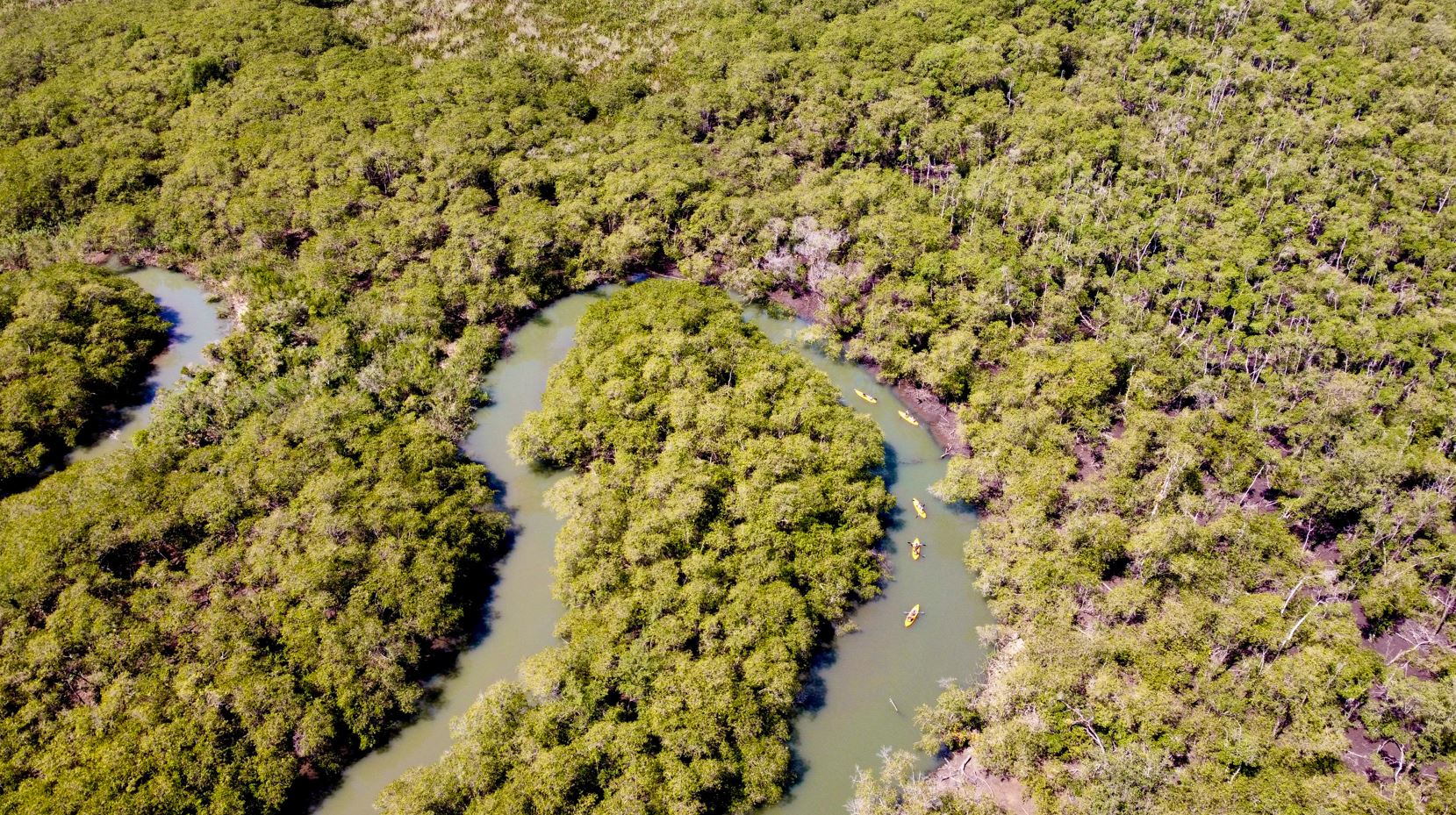
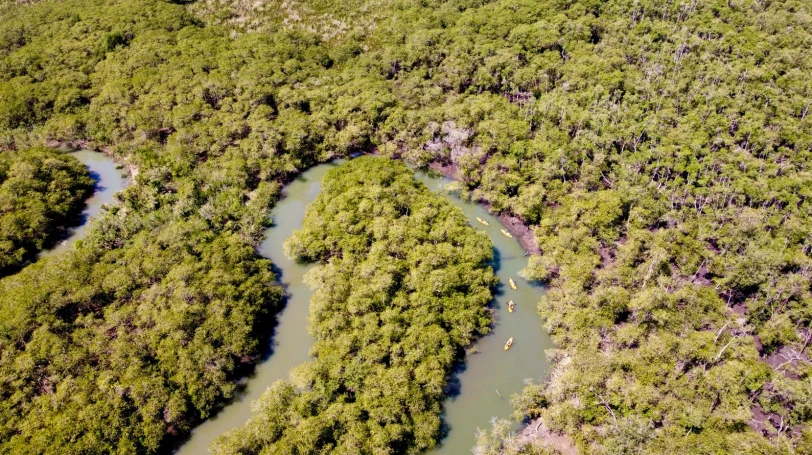
As just one example, during the Climate Control unit, our Class 4 students participate in a trip to Paraty, a historic town, situated along the lush green coast of Rio de Janeiro, which serves as an ideal location for hands-on learning experiences.  One of the highlights of this trip is for students to go hiking and kayaking in the ecosystem of Saco do Mamanguá.  With its mangroves, diverse marine life, and tropical forests, this area serves as a wonderful Entry Point for the Climate Control unit while facilitating students’ learning of how climate factors can influence local ecosystems.

Drone-captured aerial view of our students kayaking in Saco do Mamanguá.

Throughout the trip, students are asked various questions to stimulate their thinking like, “How do you think the climate affects the ecosystem of Saco do Mamanguá?” or “Can you identify human impacts on this delicate environment?” Following the IPC framework, these reflection questions serve as learning catalysts that prompt students to engage in higher-order cognitive skills. The question about climate’s effects on the ecosystem, for instance, encourages analysis, nudging the students to connect the dots between their observations and their academic knowledge. When they consider human impacts, they are performing an evaluation, one of the higher levels of cognition in Bloom’s Taxonomy.

Trips like this, and, in fact, all hands-on learning activities that we facilitate at school, provide much more dynamic lessons where the IPC’s emphasis on reflection and Bloom’s levels of cognition intersect. The IPC enables students to not just be observers but also active analysts and evaluators, tasked with synthesising real-world observations with academic understanding.

Conclusion and Further Reading

My observations strongly reaffirm that the IPC is more than just a curriculum; it is an educational philosophy that aligns with the complex, interconnected realities of our world. By capitalising on questioning techniques and experiential learning, the IPC paves a road for students that is brimming with opportunities for introspection and real-world application. For those interested in delving deeper into modern teaching methodologies and how they align with the IPC, I invite you to explore the Education section of my blog, Technology for Learners. Here you will find plenty of resources to further refine your teaching practice.

Learn more about the International Primary Curriculum

Back to news

6 September 2023

2023 Research Conversations Conference

The Head of the IPC will be presenting at the research Conversations Conference. As a research-influenced curriculum, the ICA are excited to be engaging with professional conversations worldwide. The International Curriculum Association encourages educators to connect with current research and to undertake their own research into what works for them, in their context. Jacqueline will be sharing two approaches to action research to help teachers get started.

I am looking forward to this opportunity to talk about teachers researching in schools.

Register for the conference here.

The St Andrew’s Cathedral School’s Research Conversations Conference aims to provide high-quality, teacher-driven professional development that makes connections between educational research and teaching and learning.

Enquire now

Find out more about ICA products and services!