Search List show here

Back to news

12 February 2026

International Leaders Conference 2026: Sustaining Change

You don’t need another inspirational talk. You need guidance you can test against your own context. This conference gives you access to leading expertise – and the chance to work with it, not just listen to it. Expect to take part, not just attend – with prompts and structure that help you translate insight into action.

Across two half-day virtual sessions on 7 – 8 May 2026, the International Leaders Conference 2026 brings together school leaders from around the world to explore how we turn good intentions into lasting improvement – in ways that are realistic, grounded and sustainable.

Delivered in partnership with Education Leaders, the conference connects proven leadership practice with tools you can apply straight away with your team and school community. Conference themes include:

  1. Sustainability Works Both Ways: Schools need leaders who can drive the UN’s Sustainable Development Goals forward while also leading change that doesn’t exhaust their teams. We’ll tackle both – because you can’t build for tomorrow if you’re burning people out today.
  2. Evidence to Monday Morning: Our 30 years alongside international schools meets Education Leaders’ question-led approach to change. You’ll take away research-informed strategies you can use immediately and adapt to your context.
  3. Building Capacity, Not Dependency: We’ll explore how to empower your teams, grow middle leadership and create the conditions for improvement to stick – without change resting on one person trying to fix everything.

Investing in leadership
This year we’re launching the conference during Chinese New Year – a time associated with renewal, generosity, and fresh beginnings – and we’re leaning into the symbolism of the lucky number eight. In many cultures, eight represents growth and prosperity, which feels like a fitting thread for the kind of leadership we’re trying to build together.

  • Individual ticket: £88
  • 3-ticket bundle: £200
  • 5-ticket bundle: £350
  • Leadership Party (shared-screen experience + setup support): £888

And here’s a simple idea we’re calling the Red Envelope Gift: if you book a place to attend, you can choose to gift a free place to an emerging or aspiring leader you want to sponsor, mentor, or support. It’s a practical way to invest forward, bringing someone new into the conversation and strengthening leadership capacity across your school.

A speaker lineup with real depth
We’re pleased to welcome internationally recognised voices in education, including:

  • Tom Sherrington – Director of Teaching Walkthrus and author who writes the popular blog teacherhead.com
  • Zaretta Hammond – an educator and author of best-selling books Culturally Responsive Teaching and the Brain and Rebuilding Students’ Learning Power

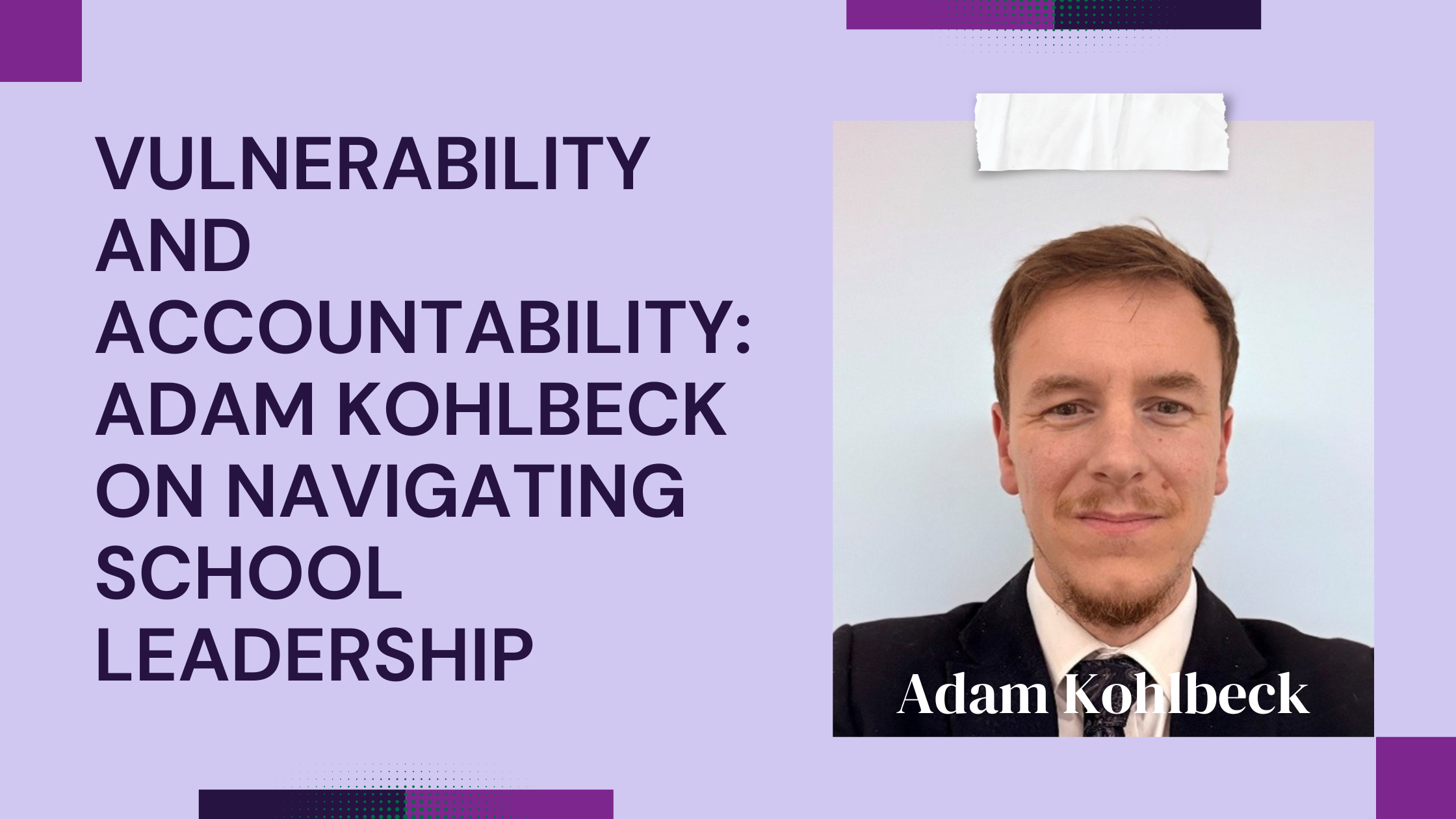
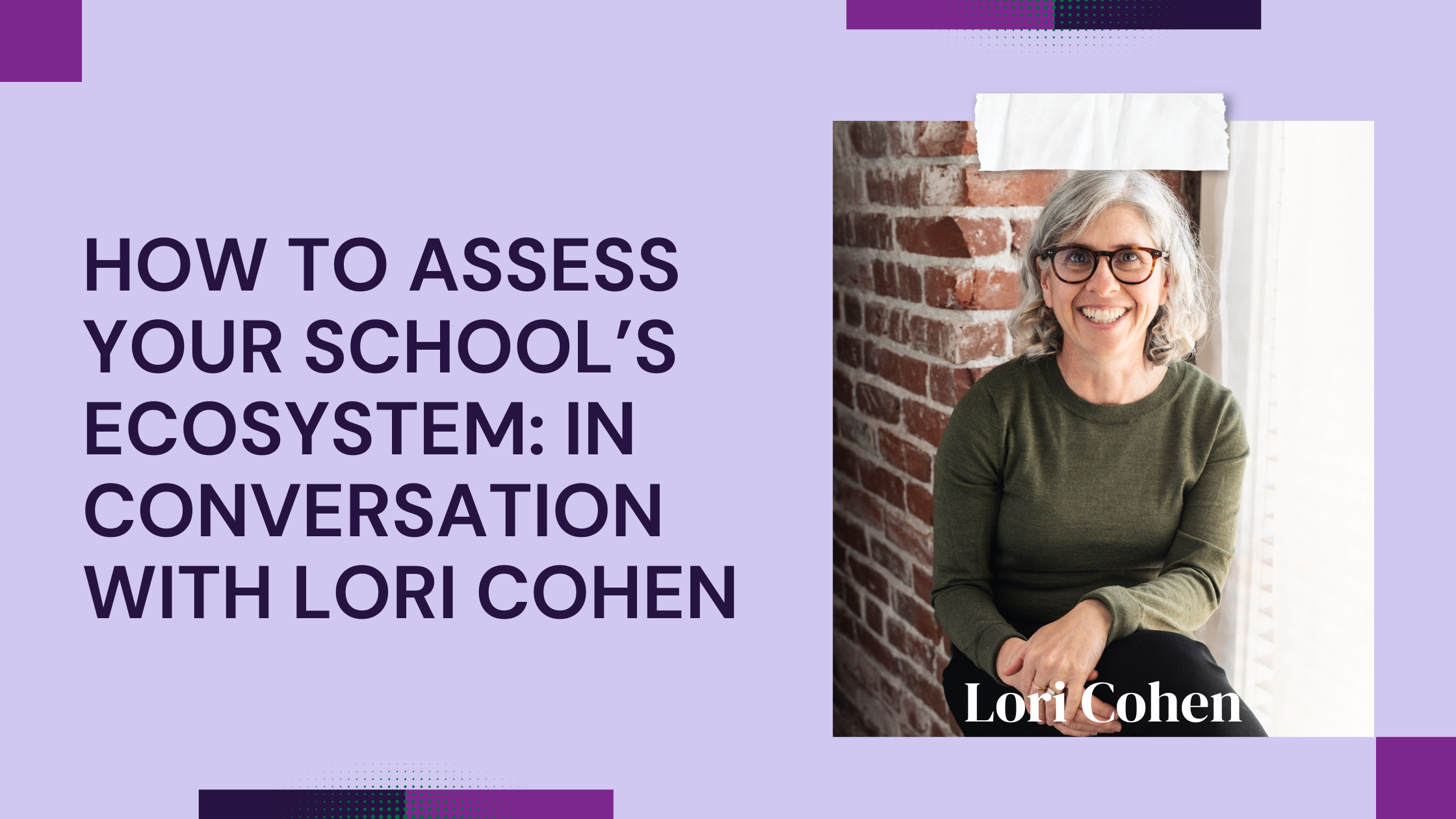
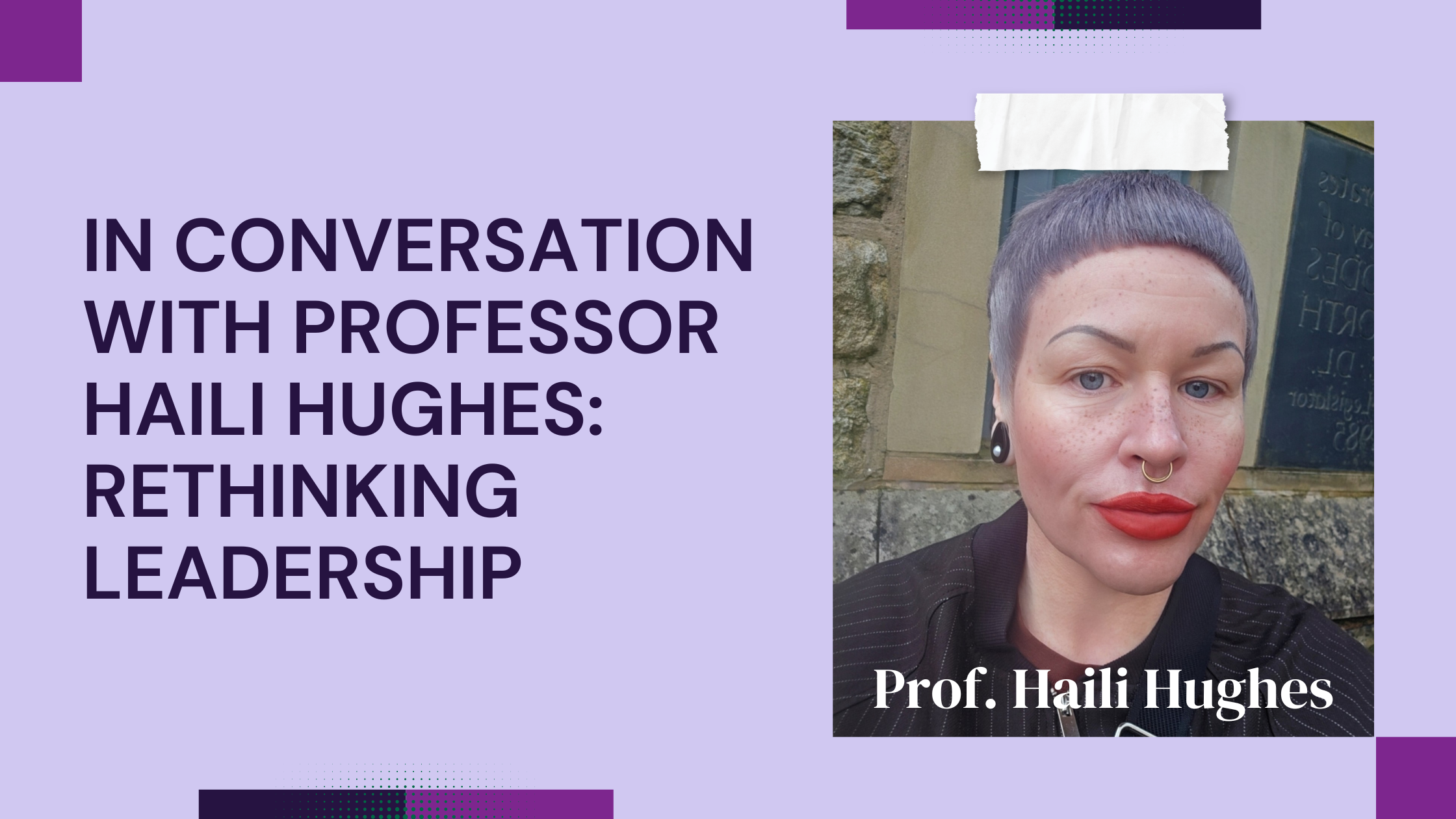
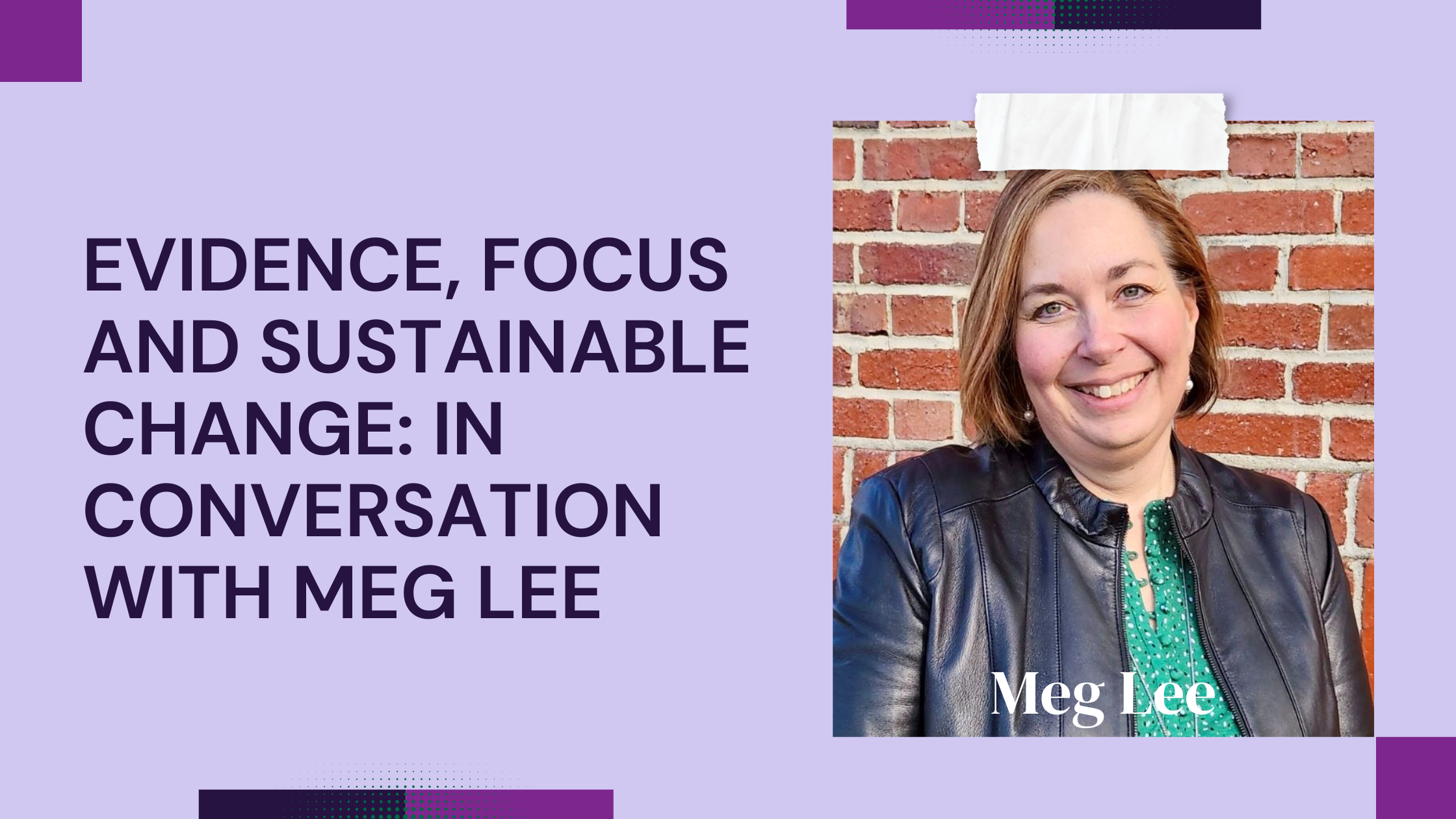
They’re joined by a strong group of practitioner-experts, including Adam Kohlbeck, Chris Passey, Meg Lee, Lori Cohen, and more voices from across the international school community.

Why the International Leaders Conference is different
The conference is designed for implementation not just inspiration. Every section is built to help you translate insight into next steps you can take with your team and it’s also a great opportunity to attend alongside someone you’re supporting or mentoring (including through the Red Envelope Gift).

All attendees receive a digital Leaders Playbook, including:

  • Key speaker ideas and recommended reading
  • Guided reflection questions
  • Clear “What’s next?” questions to support action back at school

Sessions will be recorded, but we won’t release full recordings afterwards. Instead, attendees receive curated summary videos with expert commentary, keeping the focus on live participation, discussion, and shared momentum while still giving you something useful to revisit.

To keep the learning moving, everyone is also invited to a free drop-in session two weeks after the conference, with potential opportunities for optional one-to-one coaching with speakers (subject to availability). If you’re committed to leadership that makes a lasting difference – for your team, your students, and your school – we’d love you to join us.

Back to news

11 February 2026

One month to go: Join us in Prague for Global Learn Connect 2026

In just one month, educators from across the world will gather in the heart of Prague for two days of professional growth and global collaboration. On 26 – 27 March 2026, Global Learn Connect returns with a clear invitation: not simply to attend, but to engage, reflect, contribute, and transform.

This year’s theme, “Adapting, Thriving and Transforming: Where Legacy Meets Tomorrow – Nurturing Teachers, Inspiring Change”, recognises that education is at a pivotal moment. Schools are navigating complexity and evolving expectations. The need for courageous leadership, collaborative thinking and practical innovation has never been greater.

Global Learn Connect is designed to meet that need. Early Bird ticket prices end on 28 February 2026. Secure your ticket before the price increase.

Voices that inspire
Across two dynamic days, delegates will hear from keynote speakers who challenge assumptions and spark new thinking. Amongst them is Sharon West from the International Curriculum Association, who brings deep experience in educational leadership and international collaboration. She reflects:

“When educators come together across borders and contexts, we do more than exchange ideas, we strengthen our collective capacity to shape the future of learning. Conferences like Global Learn Connect remind us that innovation is rooted in collaboration.”

From conversation to collaboration: Talking Tables
A highlight of this year’s programme is Talking Tables; an interactive format designed to promote meaningful dialogue and genuine exchange.

Talking Tables creates a collaborative learning environment where every participant has a voice. The aim is simple but powerful: through structured conversation, participants gain fresh perspectives, build new connections and leave with actionable insights.

Learning in action
Delegates will also have the unique opportunity to participate in a guided learning walk at Prague British International School. This experience is more than just a school tour, observe authentic practice:

  • A guided tour of the school campus
  • Insight into the school’s journey with the international curriculum
  • Context around how global frameworks are interpreted within a local setting
  • The opportunity to visit classrooms and see learning in action

Open mic: The Collective Voice
The voice of our community is the heart of the International Curriculum Association, and we are constantly seeking ways to create space for meaningful engagement. Global Learn Connect will close with an open mic session to provide an interactive platform for participants to voice their perspectives, tell their stories and present their ideas in a supportive and inclusive environment.

With just one month to go, the momentum is building
Global Learn Connect 2026 is not simply another date in the diary. It is an opportunity to reconnect with purpose, expand your professional network and return to your school inspired and equipped for change.

We look forward to welcoming you to Prague this March. Secure your ticket.

Join our upcoming free webinar: How to harness the power of play-based learning

Play is not a break from learning; it’s where some of the most profound learning happens. Yet, in today’s pressurised educational landscape, play-based approaches are often sidelined in favour of more structured, rote teaching methods.

On 12 February, we are hosting a free webinar in partnership with Teach Middle East focused on play-based learning. The webinar will be a practical deep dive into how play-based learning can transform engagement, deepen understanding, and develop the critical thinking and problem-solving skills your students need to thrive.

Attendees will learn how to deliver intentionally designed play-based experiences that align with curriculum goals and nurture creativity, collaboration, and joy in learning.
The panel will be made up of expert ICA educators, including:
• Donna Bonham-Russell (International Educator, Panaga School, Brunei)
• Jolinda Groothedde (IEYC/IPC Curriculum Leader, Holland International School, Singapore)
• Katy Freeman (IEYC International Educator, Seoul Foreign British School, South Korea)
• Laura James (Head of Inclusion and Play-Based Learning, ICA)
• Nivine AbouAichy (IEYC Curriculum Lead, PDO School, Oman).

During the webinar they will share real classroom examples, address common implementation challenges, and offer strategies for implementing play-based approaches to learning within a school community.

The session is designed for teachers, curriculum leaders and school administrators from any school, and will take place at 1PM GMT/5PM GST on 12 February 2026.

Register to reclaim the pedagogical power of play.

Author

Picture of International Curriculum Association

International Curriculum Association

The International Curriculum Association (ICA) brings together the three age ranges of the International Curriculum: the International Early Years Curriculum (IEYC) for learners aged 2-5+ years old; the International Primary Curriculum (IPC) for learners aged 5-11 years old; and the International Middle Years Curriculum (IMYC) for learners aged 11-14 years old, with Professional Development for teachers and leaders and a two-stage Recognition and Accreditation process for schools, to ensure that with teachers, leaders and schools, we are improving learning, together.

Designing Meaningful Professional Learning In Through Schools

By The British College of Brazil

How can cross-phase professional learning facilitate collaboration and meaningful professional development in an International Primary & Secondary school, aligning Diverse Practice with a Shared Vision? 

The brief 

As international schools grow and evolve, so too does the challenge of creating professional learning that feels both meaningful and manageable for staff. In through schools like ours, spanning Pre-Nursery to Year 13, this challenge can be particularly pronounced. Colleagues work within different age groups, curricular frameworks and utilise a range of pedagogical approaches, yet are united by a shared commitment to the school vision and mission.

Learning Trios at The British College of Brazil 

This case study reflects on the use of ‘learning trios’: groups of three colleagues working together towards a shared professional development goal as part of a whole-school professional learning approach. The initiative was deliberately framed using the International Curriculum Association’s Process to Facilitate Learning, helping to create a common language for learning across the group of educators. Rather than offering a step-by-step account of what happened, this case study focuses on what we learned from the process: what worked well, where challenges emerged and what this might suggest for future processes.

Why learning trios? 

The decision to use learning trios grew out of a desire to strike a better balance between individual goals and collective learning. Like many schools, we recognised that large group professional development sessions can sometimes feel too broad, while individual performance targets can unintentionally lead to isolation for staff. There was also an acknowledged need at the school to bring the Primary and Secondary sections closer together and it was felt that professional development offered a means for achieving this.

As part of the first round of performance management meetings in September, teachers and assistant teachers identified their own professional development priorities. Line managers then collated these targets, and the Head of Primary and Head of Secondary worked together to look for areas of shared interest across the school. In some cases, strong and specific links emerged, for example, more effectively supporting students who were new to learning English or making better use of group-wide digital learning platforms.

Bringing colleagues together across Key Stages was a deliberate and important choice. It reflected the reality of a through school, where students’ learning journeys do not sit neatly within Key Stage boundaries, and it encouraged professional relationships and conversations that might not otherwise take place.

Using the ICA Process to Facilitate Learning 

A central feature of the initiative was its connection to the ICA’s Process to Facilitate Learning. This framework, most often used to support student learning, was applied to teacher professional learning to promote coherence across the trios. 

At the whole-school launch meeting, colleagues were invited to think of themselves as learners moving through the stages of the process: identifying an Entry Point, Knowledge Harvest, explaining and applying learning, reflecting on progress and considering next steps, and engaging in an Exit Point through a learning exhibition. 

Using the process was effective in two ways. Firstly, it helped normalise professional learning as an ongoing, reflective process rather than a fixed outcome linked solely to the performance management cycle. Secondly, it reinforced the idea that the ways we support teachers’ professional learning should mirror the practices we promote in classrooms. 

How the trios worked in practice 

Each trio was asked to hold an initial planning meeting to agree on what they hoped to achieve together, ‘ground rules’ for how they would work collaboratively and independently and decide how often they would meet over the following seven weeks. While no fixed meeting structure was imposed, trios were encouraged to keep brief minutes to capture key discussion points, decisions and reflections. This supported both continuity of meetings and shared accountability to the process.

Autonomy was an important feature of the approach. Trios were free to shape their own process in ways that felt relevant and practical, drawing on research, classroom experimentation or peer observation as appropriate. This flexibility aligned with the ICA emphasis on learner agency, although it also meant that the trios progressed at different speeds and to different depths.

The process concluded with a learning exhibition at the end of term. Each trio chose how to share its learning, resulting in a range of engaging formats including presentations, videos, posters and live discussions. The celebratory sharing of practice helped position the process as something to be valued and learned from collectively.

What did we find? 

Engagement data and staff feedback suggest that the learning trios had a positive impact overall:

  • Around three-quarters of trios met between three and five times during the seven-week period.
  • Two-thirds of staff visited three to four exhibition stands, indicating strong engagement with colleagues’ learning.
  • More than half of respondents felt that the learning trios had positively supported their professional development during the term.

Given the relatively short timeframe and the fact that this was a new approach for many colleagues, these outcomes were encouraging. The exhibition in particular appeared to support accountability and encourage curiosity, therefore extending learning beyond individual trios.

Strengths of the approach 

Several clear benefits emerged from the process. As the focus areas came directly from colleagues’ own development goals, the learning felt purposeful and closely connected to day-to-day practice. Where objectives were well matched, the trios approach created meaningful opportunities for colleagues from different Key Stages to learn from one another and gain new perspectives. The combination of meeting notes and public sharing encouraged participation without feeling overbearing. Using the ICA learning process with staff reinforced the idea that everyone in the school community is a learner, regardless of their role or experience.

Lessons learned 

The process also brought to light some important areas for refinement. Where trios were formed around broader themes, a side effect of a wide range of professional development targets, colleagues found it harder to sustain depth. Several colleagues provided feedback that further input on the research underpinning collaborative professional learning like this would have supported their confidence and buy-in. While autonomy was appreciated, clearer expectations around meeting frequency may have helped ensure more consistent engagement across trios. As ever, workload pressure limited how deeply some trios were able to explore their focus areas.

Looking ahead 

Overall, this experience suggested to us that learning trios can be a valuable professional learning approach in through schools, particularly when they are aligned with professional targets, well supported by research and expectations are clearly structured by the leadership team. We found that the Process to Facilitate Learning offers an effective way to connect teacher development with day-to-day classroom practice and the school’s shared values. We concluded that future processes could be strengthened by tightening up the grouping process to avoid loosely connected trios, offering a clear research grounding at the introductory stage and aiming for more explicit links between the professional learning taking place and the impact on student learning.

Learning trios offered us a constructive way to bring colleagues from across the school together around shared goals, encouraging collaboration, reflection and professional curiosity. While not without its challenges, the approach supported a sense of collective responsibility for learning and reinforced the idea that professional development, like student learning, is most impactful when it is purposeful, collaborative and reflective.

Thank you to The British College of Brazil, São Paulo, Paul McDaniel Head of Primary and the teaching team for sharing their story. 

Author

Picture of International Curriculum Association

International Curriculum Association

The International Curriculum Association (ICA) brings together the three age ranges of the International Curriculum: the International Early Years Curriculum (IEYC) for learners aged 2-5+ years old; the International Primary Curriculum (IPC) for learners aged 5-11 years old; and the International Middle Years Curriculum (IMYC) for learners aged 11-14 years old, with Professional Development for teachers and leaders and a two-stage Recognition and Accreditation process for schools, to ensure that with teachers, leaders and schools, we are improving learning, together.

Announcing the theme for our 2026 Global.Learn.Connect Conferences

As 2025 draws to a close, we’re delighted to announce the theme of next year’s Global.Learn.Connect Conferences!

School leaders and educators from all over the world will come together in Prague (26 – 27 March) and São Paulo (28 – 29 May) for a dynamic two-day event to learn from their peers, exchange ideas and grow their practice with renewed insights.

The theme for 2026’s Global.Learn.Connect Conferences is:

Adapting, Thriving and Transforming

Where Legacy Meets Tomorrow: Nurturing Teachers, Inspiring Change

Excellent educators don’t just teach their students – they teach and learn from each other too. The upcoming conferences will celebrate collaborative professional development, highlighting how educators can support and challenge each other to shape the future of learning.

As curriculum agnostic conferences, the Global.Learn.Connect Conferences are a brilliant opportunity for all educators to learn about new ways of teaching; you do not need to be an ICA-subscribed school to register a place.

The conferences will feature inspiring keynote speakers and teacher-led workshops alongside opportunities for collaborative dialogue with fellow international educators, making them the perfect place to pursue your professional development. By meeting members of our worldwide community you will engage with new perspectives, expand your horizons as an international educator and enhance your pedagogical approach.

Early bird tickets are available before 28 February for the Prague conference or before 17 April for São Paulo. We look forward to seeing you there!

Author

Picture of International Curriculum Association

International Curriculum Association

The International Curriculum Association (ICA) brings together the three age ranges of the International Curriculum: the International Early Years Curriculum (IEYC) for learners aged 2-5+ years old; the International Primary Curriculum (IPC) for learners aged 5-11 years old; and the International Middle Years Curriculum (IMYC) for learners aged 11-14 years old, with Professional Development for teachers and leaders and a two-stage Recognition and Accreditation process for schools, to ensure that with teachers, leaders and schools, we are improving learning, together.

Back to news

16 September 2025

One month until ICC25: Announcing our partnership with ANPS Indonesia and keynote speaker Wayan Sutrisna

The wait is nearly over! With just one month to go until our vibrant global community joins us in sunny Bali for the International Curriculum Conference 2025, we are beyond excited to announce our partnership with The Association of National and Private Schools (ANPS) and introduce our second keynote speaker, Wayan Sutrisna.

Welcoming visionary leader, Wayan Sutrisna, as our second keynote speaker

We are thrilled to introduce our second keynote speaker, Wayan Sutrisna, who is one of Bali’s leading practitioners in Maharishi Transcendental Meditation and Director of Education for World Peace.

Wayan Sutrisna’s career in education spans over 20 years, focusing on the use of Transcendental Meditation techniques to empower his student to become better learners through promoting clearer thinking, better focus, and increased self-confidence. Sutrisna’s innovative approach to learning highlights that by helping to shape peaceful brains, we create peaceful students, and in turn actively contribute to creating a peaceful world. Sutrisna’s dedication to the practice of Transcendental Meditation has shaped the lives of thousands of students in becoming the open-minded and empathetic leaders who are equipped to respond to the challenges of the modern world. We can’t wait to hear his insights!

Forging new paths with ANPS

This year, we are delighted to announce that we have partnered with ANPS for the final day of the Conference. We are excited to be enhancing our Conference further through partnering with a vibrant community of educators committed to best practices in teaching and learning in Indonesia.

As part of our ongoing commitment to inclusive and sustainable education development, we will be hosting a parallel Early Years Education Convention on day three, designed specifically for Indonesian early years educators. This special programme will be delivered in collaboration with the ANPS and will feature its own keynote, focused workshops and access to network opportunities.

The Convention runs in parallel with the main Conference programme and will provide a meaningful platform for local educators to engage with best practices, practical innovations, and peers across the sector.

Learn from our global community

Alongside our guest keynote speaker, we are also hosting a variety of thought-provoking and inspiring workshops facilitated by our dedicated educators across the ICA community.

Across the weekend, ICA educators will be leading a wide range of interactive, hands-on workshops to enhance your communication skills, pedagogy styles, and approaches to the curriculum to create thriving, dynamic, and inclusive learning environments in your schools. From Mathematics in everyday contexts, embedding cultural responsiveness in the classroom, to utilising your professional voice as teachers in the 21st century, there will be a variety of sessions to spark meaningful dialogue and develop your skills to adapt, thrive, and transform with the ICA.

There are a limited number of tickets available for those wanting to secure a spot to this year’s Conference, which focuses on the theme: ‘Education Evolution 25: Adapting, Thriving, and Transforming’. This celebrates 25 years of the International Primary Curriculum and champions our collective commitment to the ICA in the past, present, and future. To secure a last-minute place at the International Curriculum Conference before the price increase on 30 September, click here.

We can’t wait to see you in Bali on the 16 to 18 of October! Sampai jumpa di sana!

Falling in Love with Phonics: Why Fidelity Matters

In our discussions with international schools around the world, we often hear something like this:


“We do phonics. We do a bit of this approach and a little bit of something else.”

But fidelity to a phonics scheme requires a serious, long-term commitment—much like a marriage or lifelong partnership!

The Science of Reading emphasises the importance of sticking with a single, consistent approach, stating that “fidelity to a programme is critical for success.” By following a programme faithfully, schools can avoid the confusion that arises from mixing methods, enabling students to develop a clear, consistent foundation in phonics. This consistency allows children to “practise, apply, and embed their skills without distraction or contradiction.”

Think about a strong, lasting relationship. It’s built on trust, consistency, and a genuine investment in growth, and phonics is no different. When schools flit from one approach to another, it’s like speed-dating in the educational world, and it rarely leads to the happy ending we all want for our young learners.

The Keys to Phonics Fidelity
  • Invest in TrainingJust as you wouldn’t expect to run a marathon without preparation, effective phonics requires time, expertise, and dedication. Regular CPD ensures that all staff, including new team members, are confident and consistent in their practice. As the Reading Framework notes, “high-quality training, consistent across all staff, is essential for success.”
  • Show You CareWe all know relationships take work, and it’s no different in phonics. Supporting those who struggle means acting early, tracking progress, and never letting a learner slip through the net. Nurture, adapt, and respond.
  • Stay AlignedFidelity refers to the alignment of teaching, resources, assessment, and language. It’s not just about starting strong—it’s about maintaining a shared commitment over time. The Reading Framework recommends schools “avoid mixing different programmes” to ensure every child gets a coherent, joined-up experience.
  • Get the Family on BoardNo relationship thrives in isolation. Engaging parents builds a powerful home-school connection that boosts progress and reinforces phonics practice beyond the classroom.
ICA Schools: You’ve Already Said “Yes”

ICA schools don’t need to worry about finding the right phonics partner—they already have the free love of Monster Phonics!

The International Curriculum Association looked at every programme on the market and chose to partner with us for a reason: our enhanced, inclusive, and research-based approach stood out. As part of this partnership, every ICA member school now has full access to the complete Monster Phonics programme, along with substantial training and support. To find out how to access these resources, head over to the ICA Portal!

It’s a wonderful addition to the ICA offer—and a true example of what phonics fidelity looks like in action. With our shared commitment, we’re not just delivering a phonics programme—we’re giving children the joyful, confident reading start they deserve.

Author

Picture of Ingird Connors

Ingird Connors

Founder & Chief Executive Officer at Monster Phonics

As a phonics expert, founder, and educationalist, Ingrid’s mission is to enhance children’s reading skills worldwide, accelerate their progress in literacy and promote equitable access to education.

Engage All Stakeholders in Effective Self-Review

Join us for the 3rd in our series of Accreditation and Recognition information sessions designed to support you through our Recognition & Accreditation process. Learn about the products and services we offer to help your school’s journey with the ICA!

Upcoming Information Sessions

Session 3:  How to Engage All Stakeholders in Effective Self-Review – A live panel discussion!
Date: June 3, 2025 @ 11:00 AM UK Time 

Session 4:  The Role of the ICA in Supporting Effective Self-Review
Date: August 19, 2025 @ TBA UK Time 

These information sessions are a great place to:
  • Learn more about Coaching for Implementation

  • Explore Mentoring for Recognition & Accreditation

  • Find out about Micro-Credential pathways

  • Learn more about our Recognition and Accreditation process

  • Ask questions relevant to you and your context

Get Informed

These ICA Recognition & Accreditation Information Sessions are led by our Head of School Services, Sharon West and supported by School Services Associate Manager, Sim Galsinh. 

These hour-long sessions are an opportunity for you connect directly with the ICA and learn more how Recognition & Accreditation can positively impact your school.

Support Improving Learning

Attending an ICA Information Session can  help you to reflect on the impacts on learning in your school or context and determine your next steps along the pathway towards Recognition and Accreditation.

These sessions  provide an introduction to our range of services available that support schools in developing their capacity for self-evaluation in readiness for a formal evaluation by the ICA.

Author

Picture of School Services Team

School Services Team

These information sessions are brought to you by the ICA School Services Team. Their aim is to support schools around the world through the Recognition & Accreditation process with the aim of improving learning.

Enquire now

Find out more about ICA products and services!