
 Español
 Nederlands
 Chinese Mandarin

In this article, Maura Murphy, the International Primary Curriculum Leader for Learning at Rumukoroshe School in Nigeria, shares how her school builds confidence in students, giving them the agency to take proactive action.
“Courage in learning is not about knowing the answer; it is about being willing to take the first step.”
‘Just give it a go! Just try!’ echoes throughout classrooms all over the world, and teachers ponder why some learners will try anything, and some prefer the safety of what they know.
How, as teachers, can we stand beside our learners until they feel ready to take the first step? How can we support and help them believe they are capable of not just taking one step, but running a marathon?
Personally, I aim to create:
- Enough trust that they feel safe.
- Enough connection that they feel engaged.
- Enough confidence that they believe they can try.
- Enough choice that they feel ownership.
- Enough challenge that they can grow.
- And enough reflection that they can recognise how far they’ve come.
Because taking action doesn’t always begin with confidence. Sometimes it begins with a small decision:
- “I’m going to have a go.”
And sometimes, that is the bravest step of all. As the school year progressed last year, I observed increased engagement among all children. Learners became more involved in their learning and more willing to take risks, building on the strong foundations established during the first term.
1. Am I enough?
Before we ask learners to challenge themselves, perhaps we need to help them believe: “I am enough to have a go.” In my classroom, we intentionally invest time to make space for this.
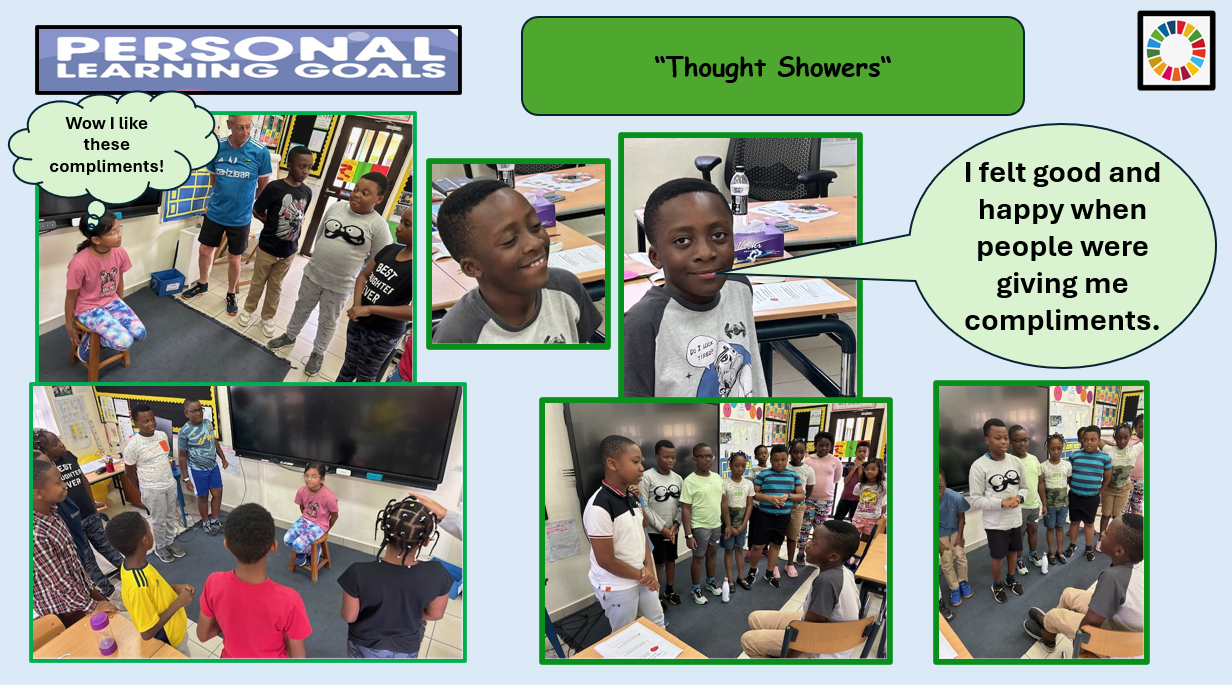
One popular activity we use is a ‘Thought Shower’ where each learner is intentionally recognised and affirmed by everyone in the class.
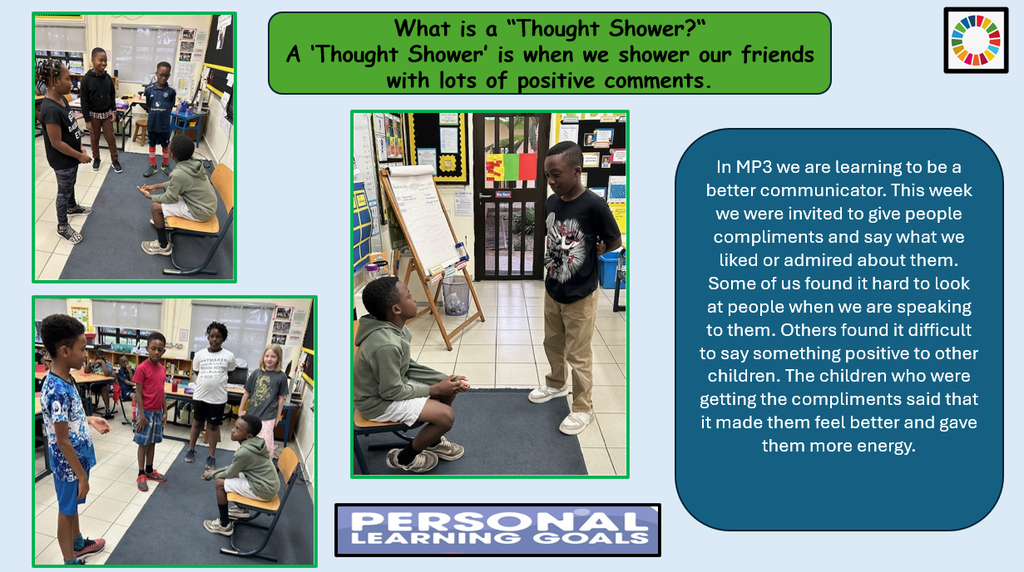
We gather around one learner at a time to share positive observations and affirmations about them. We create space for this each week, so that over the course of a few months, every child has an opportunity to have their turn. Each child, as well as the adult learners in the class, has this opportunity twice a year.
- “You spoke so well during the presentations.”
- “You are a brilliant dancer.”
- “I noticed how kind you were when you helped someone.”
These aren’t simply compliments. They help learners to see strengths in themselves that they may not yet recognise. Sometimes we need other people to hold up a mirror and show us what they can already see.
2. Where is your inner cheerleader today?
In addition to receiving affirmations from the voices of teachers and peers, why not help learners to develop their own inner cheerleader? An inner voice that supports and encourages learners to take the next step in their learning journey.
That voice might say:
- “You can do this.”
- “It doesn’t have to be perfect.”
- “It’s okay if you make a mistake.”
- “You’ve done difficult things before.”
- “Just take the first step.”
For some learners, developing this internal voice may be just as important as developing the academic skill itself. We want our learners to try new things, but challenge without confidence can sometimes feel threatening. The work of Marisa Peer, particularly her I Am Enough programme for schools, provides an interesting way of thinking about self-belief.
3. Do we offer enough challenge and choice wrapped in a Growth Mindset?
Giving learners meaningful choices can create a sense of ownership. The challenge remains, but the learner has some control over how they approach it. And sometimes, that small sense of control is enough to move someone from “I can’t” to “I’ll try.”
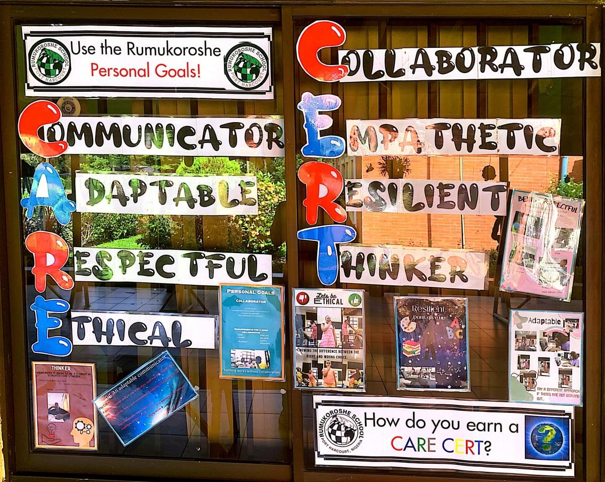
When Growth Mindset is more than a set of classroom posters and is an embedded part of classroom culture, it can really help learners support one another when someone is trying something new.
This takes time out of an already full curriculum. However, I believe spending intentional and dedicated time to help learners develop an understanding of what it means to have a growth mindset and be in The Learning Pit is crucial to taking action. The learner doesn’t have to be fearless; I think that they simply need to know that they won’t be alone.
Maybe one simple action would be giving more choice, rather than saying
- “You must do this.”
We can invite:
- “Which way would you like to approach this?”
- “What could you try?”
- “What would be a manageable first step?”
4 . Before we begin: Compass points
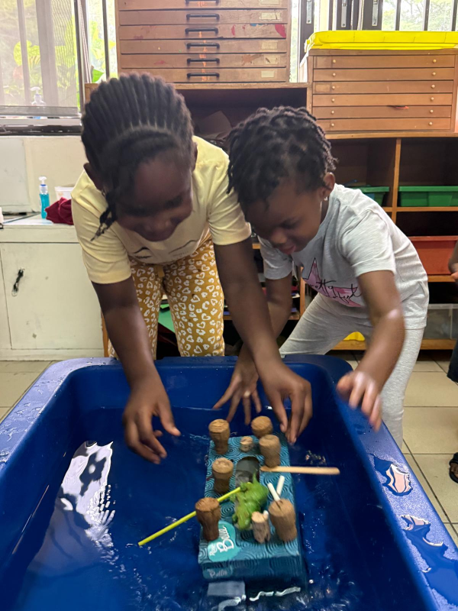
One of my favourite approaches is to use Compass Points before we begin to learn. I feel that it gives learners space to think about the action ahead and share their concerns. When learning goals are shared, and we discuss the main idea behind the new learning, I ask four questions related to the compass points.
- N — NORTH – Need – What do you need to know?
- E — EAST – Excited – What are you excited about?
- S — SOUTH – Suggestions – What are your suggestions for moving forward?
- W — WEST – Worried – What are you worried or unsure about?
West is my personal favourite. How often do we have time to give learners permission to say: “I’m worried.” and to share their concerns? Yet acknowledging a worry can be the first step towards overcoming it. Once the worry is visible, we can begin to ask: What would help? By helping alleviate this worry, it opens the path for action to take place.
5. Pause, Observe and Reflect
This has been the most impactful classroom action I have taken this last school year; our to-do list never ends, the plates never stop spinning, and reflection can be the easiest thing to leave for another day. If we want to foster action-taking learners, we need to give them time to understand their actions. For us as facilitators of learning, we can learn by pausing and observing the learners in action and reflecting on what is helping or hindering the learning in the room.
By reflecting, we all turn an experience into learning. We all get to recognise that getting it wrong is not the opposite of success but part of the journey towards it.
Some suggestions to ask:
- What went well?
- What surprised you?
- What did you find difficult?
- What would you do differently next time?
- What might you try next?
A moment to pause…
As you finish reading, take a moment to think about your own classroom. What is happening to build confidence and give learners permission to have a go, make mistakes, and try again? What is it that helps the learners in your class believe that they are good enough to take that first step? Maybe over the next few days, just notice. Notice what encourages them, which relationships make a difference, what words help, and what gives them the confidence to move from “I can’t” to “I’ll have a go.” Sometimes, taking the time to notice what helps a learner believe in themselves is the first step towards helping them take action.
Interested in finding out more about the International Primary Curriculum?
Author
