Can people share similar interests and lifestyles even if they live in different parts of the world?
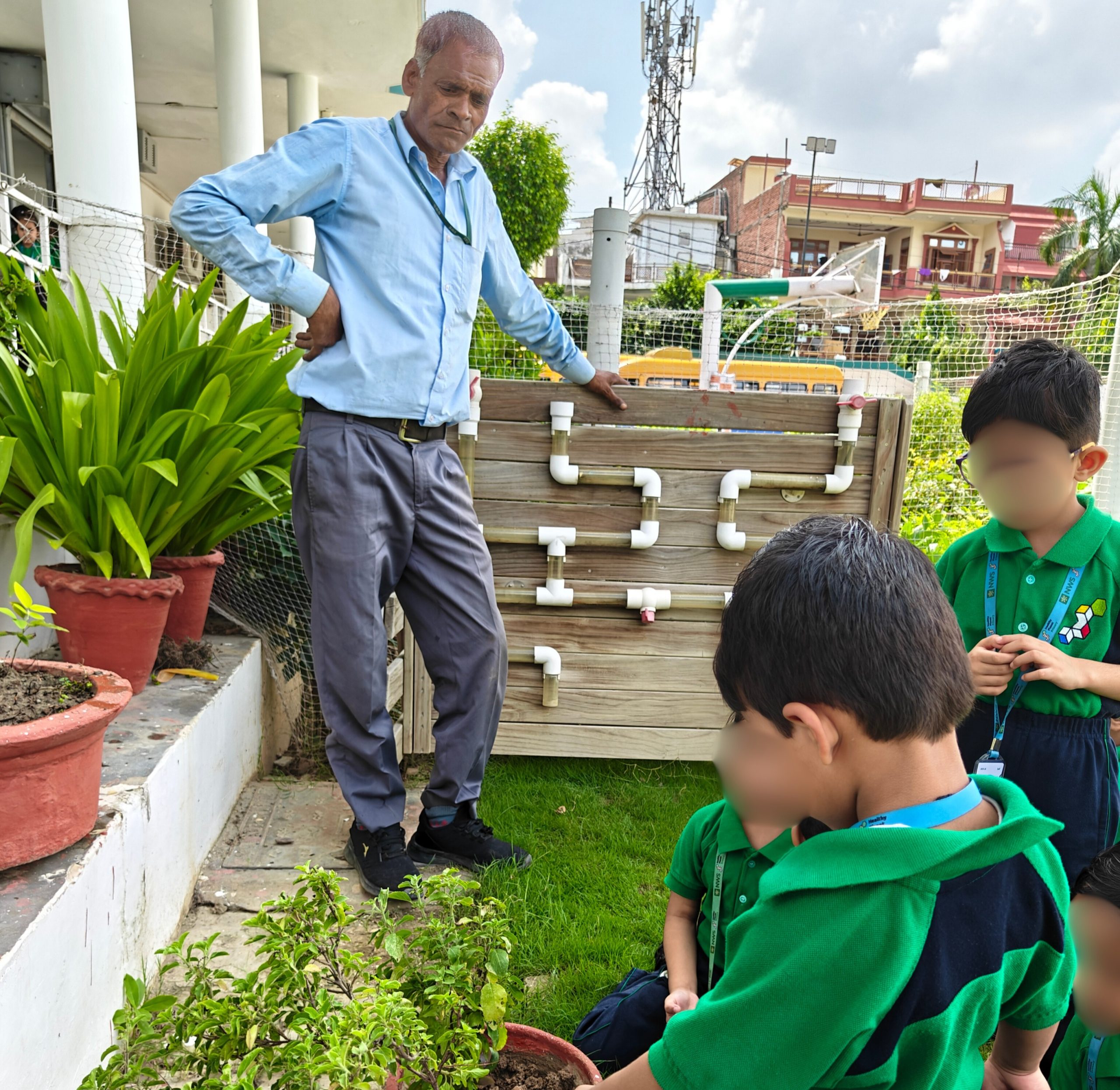
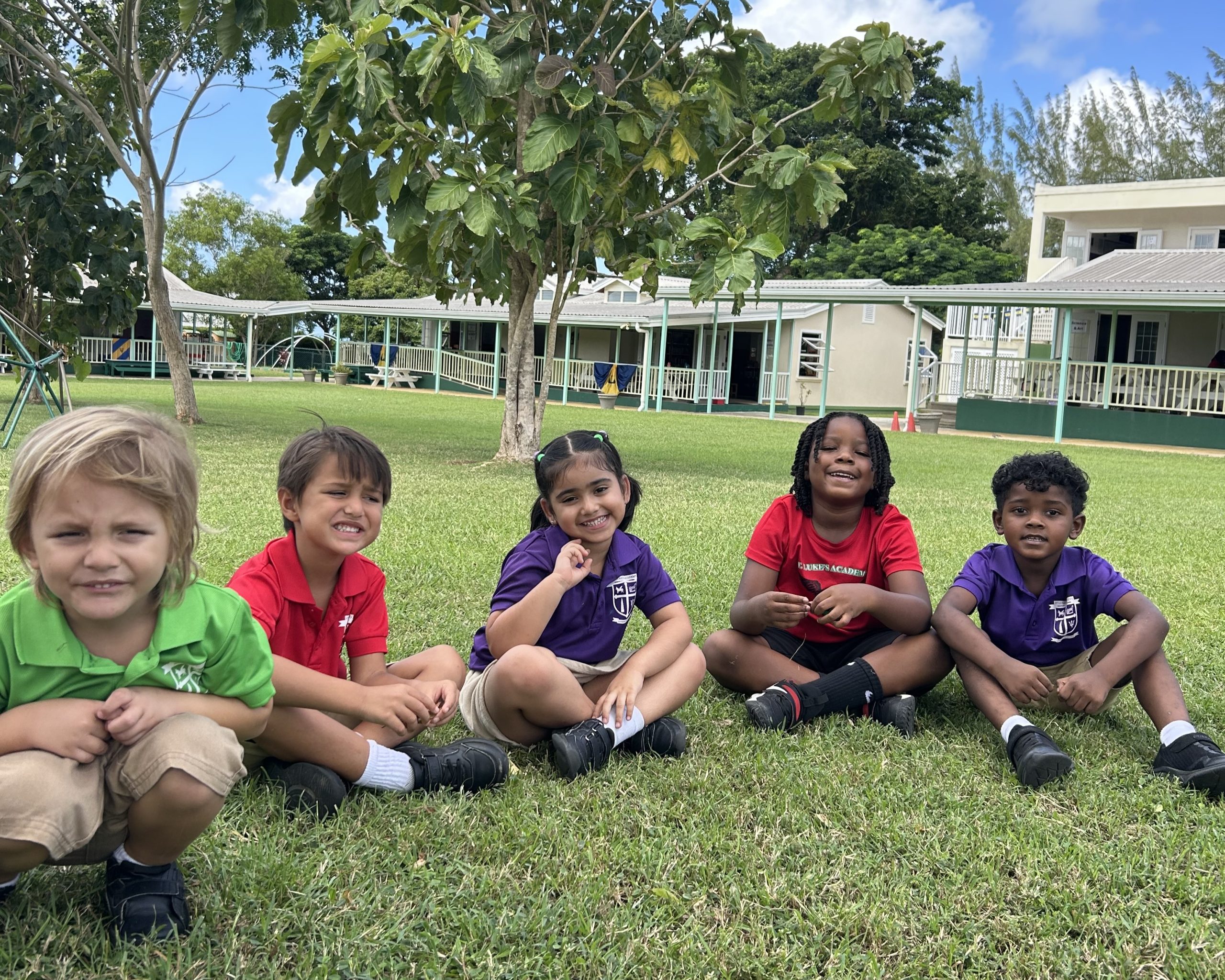
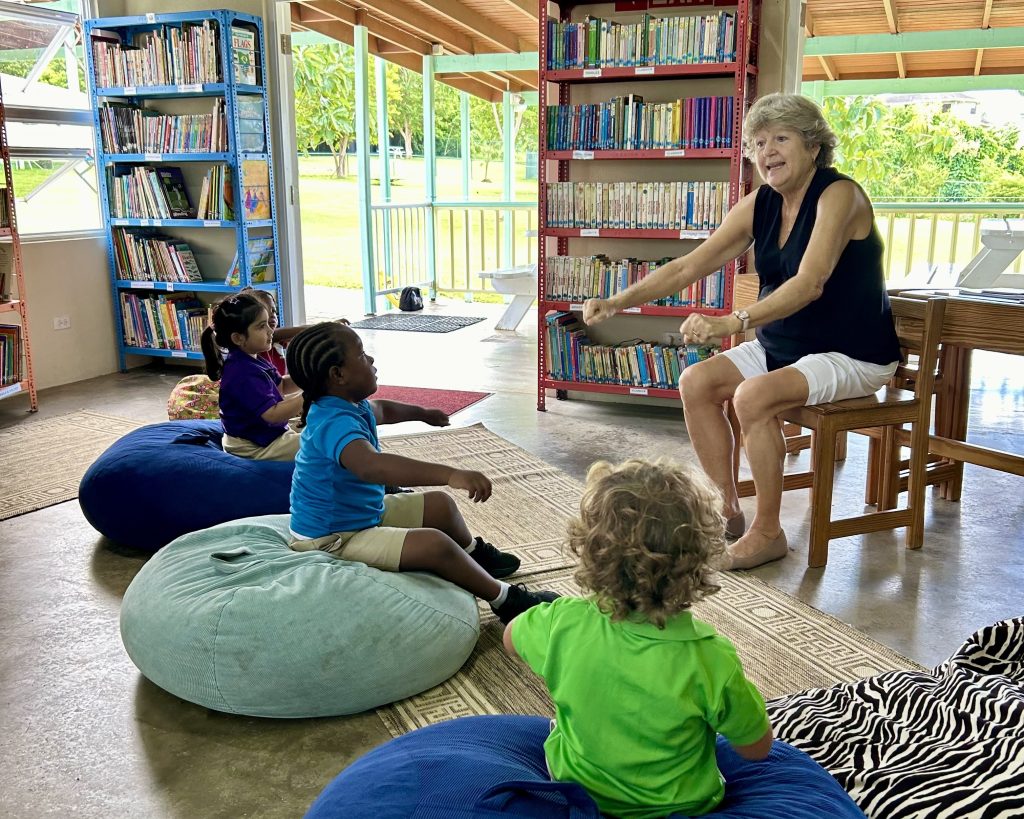
That was the Big Question guiding Grade 2 students at the Overseas Family School in Singapore as they explored their recent International Primary Curriculum unit, “Different Places, Similar Lives”.
Through inquiry, discussion, and discovery, students learned that while people may live in different countries and cultures, many of the things that matter – family, hobbies, routines, and interests – can be surprisingly similar. The unit encouraged students to think beyond borders and recognise the connections that bring people together around the world.
In this article, Shyella De Silva shares how this Big Question shaped the students’ learning journey and helped them develop a deeper understanding of both diversity and shared human experiences.
The International Curriculum Association (ICA) brings together the three age ranges of the International Curriculum: the International Early Years Curriculum (IEYC) for learners aged 2-5+ years old; the International Primary Curriculum (IPC) for learners aged 5-11 years old; and the International Middle Years Curriculum (IMYC) for learners aged 11-14 years old, with Professional Development for teachers and leaders and a two-stage Recognition and Accreditation process for schools, to ensure that with teachers, leaders and schools, we are improving learning, together.
You don’t need another inspirational talk. You need guidance you can test against your own context. This conference gives you access to leading expertise – and the chance to work with it, not just listen to it. Expect to take part, not just attend – with prompts and structure that help you translate insight into action.
Across two half-day virtual sessions on 7 – 8 May 2026, the International Leaders Conference 2026 brings together school leaders from around the world to explore how we turn good intentions into lasting improvement – in ways that are realistic, grounded and sustainable.
Delivered in partnership with Education Leaders, the conference connects proven leadership practice with tools you can apply straight away with your team and school community. Conference themes include:
Sustainability Works Both Ways: Schools need leaders who can drive the UN’s Sustainable Development Goals forward while also leading change that doesn’t exhaust their teams. We’ll tackle both – because you can’t build for tomorrow if you’re burning people out today.
Evidence to Monday Morning: Our 30 years alongside international schools meets Education Leaders’ question-led approach to change. You’ll take away research-informed strategies you can use immediately and adapt to your context.
Building Capacity, Not Dependency: We’ll explore how to empower your teams, grow middle leadership and create the conditions for improvement to stick – without change resting on one person trying to fix everything.
Investing in leadership This year we’re launching the conference during Chinese New Year – a time associated with renewal, generosity, and fresh beginnings – and we’re leaning into the symbolism of the lucky number eight. In many cultures, eight represents growth and prosperity, which feels like a fitting thread for the kind of leadership we’re trying to build together.
Individual ticket: £88
3-ticket bundle: £200
5-ticket bundle: £350
Leadership Party (shared-screen experience + setup support): £888
And here’s a simple idea we’re calling the Red Envelope Gift: if you book a place to attend, you can choose to gift a free place to an emerging or aspiring leader you want to sponsor, mentor, or support. It’s a practical way to invest forward, bringing someone new into the conversation and strengthening leadership capacity across your school.
A speaker lineup with real depth We’re pleased to welcome internationally recognised voices in education, including:
Tom Sherrington – Director of Teaching Walkthrus and author who writes the popular blog teacherhead.com
Zaretta Hammond – an educator and author of best-selling books Culturally Responsive Teaching and the Brain and Rebuilding Students’ Learning Power
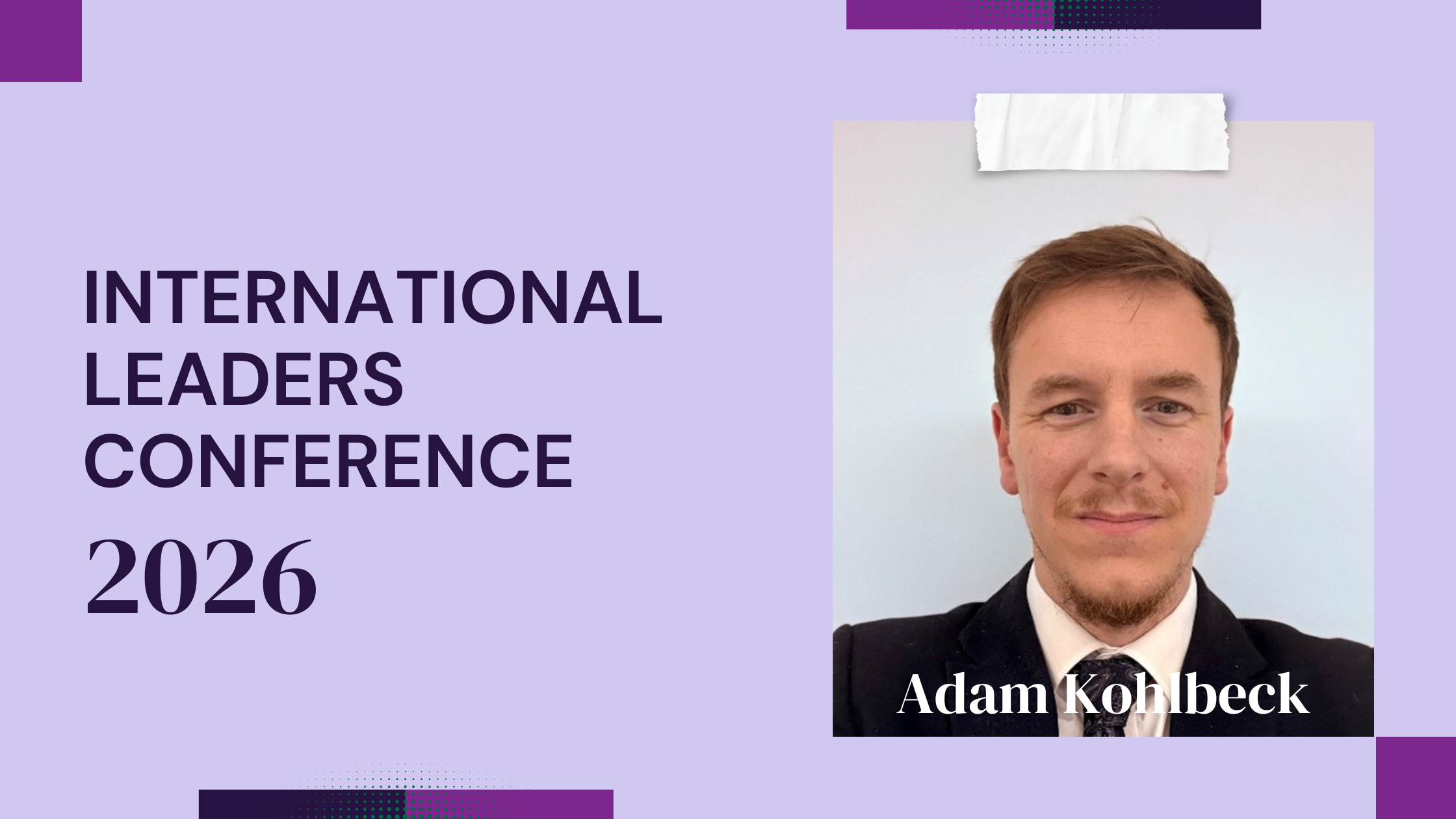
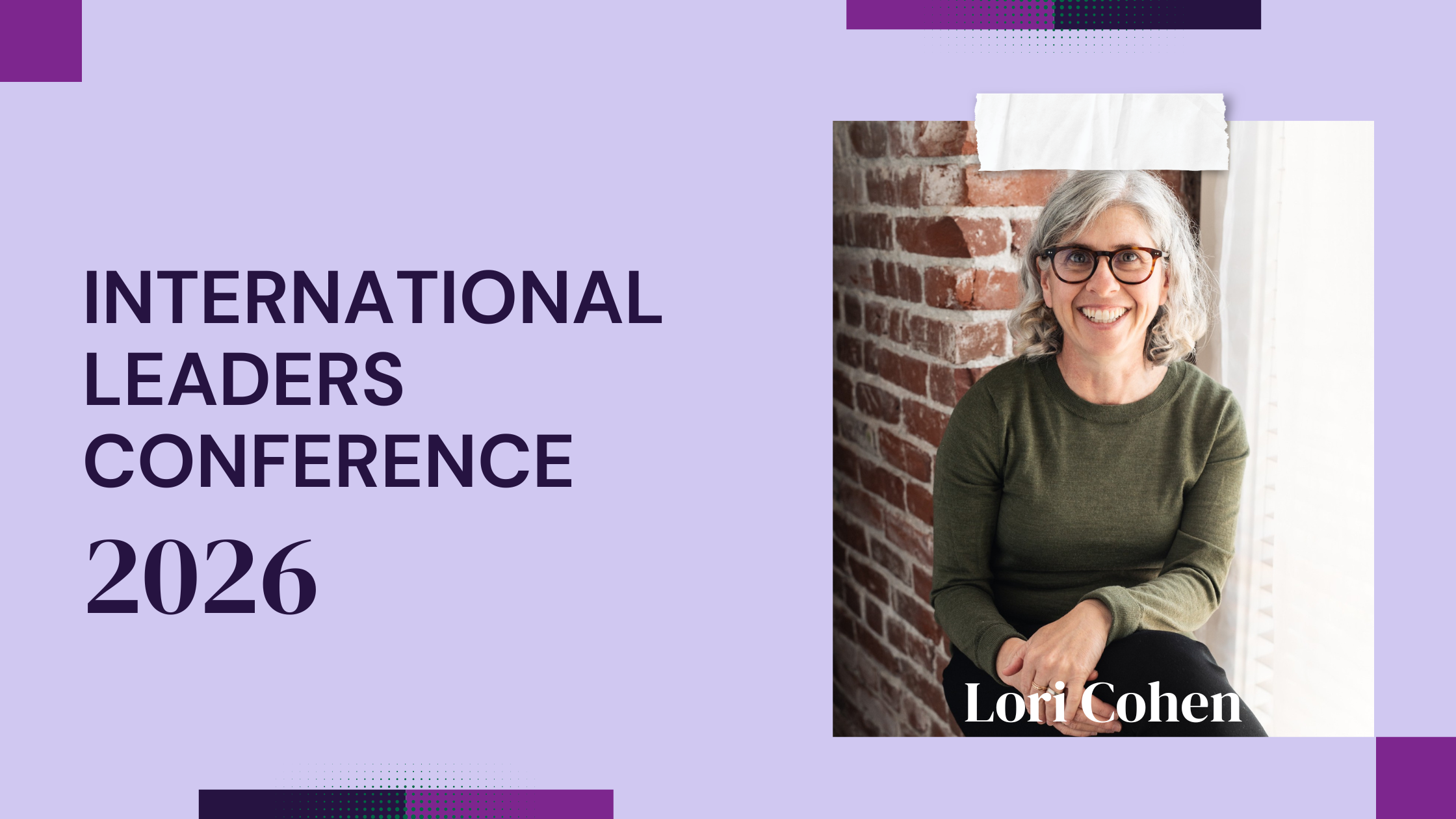
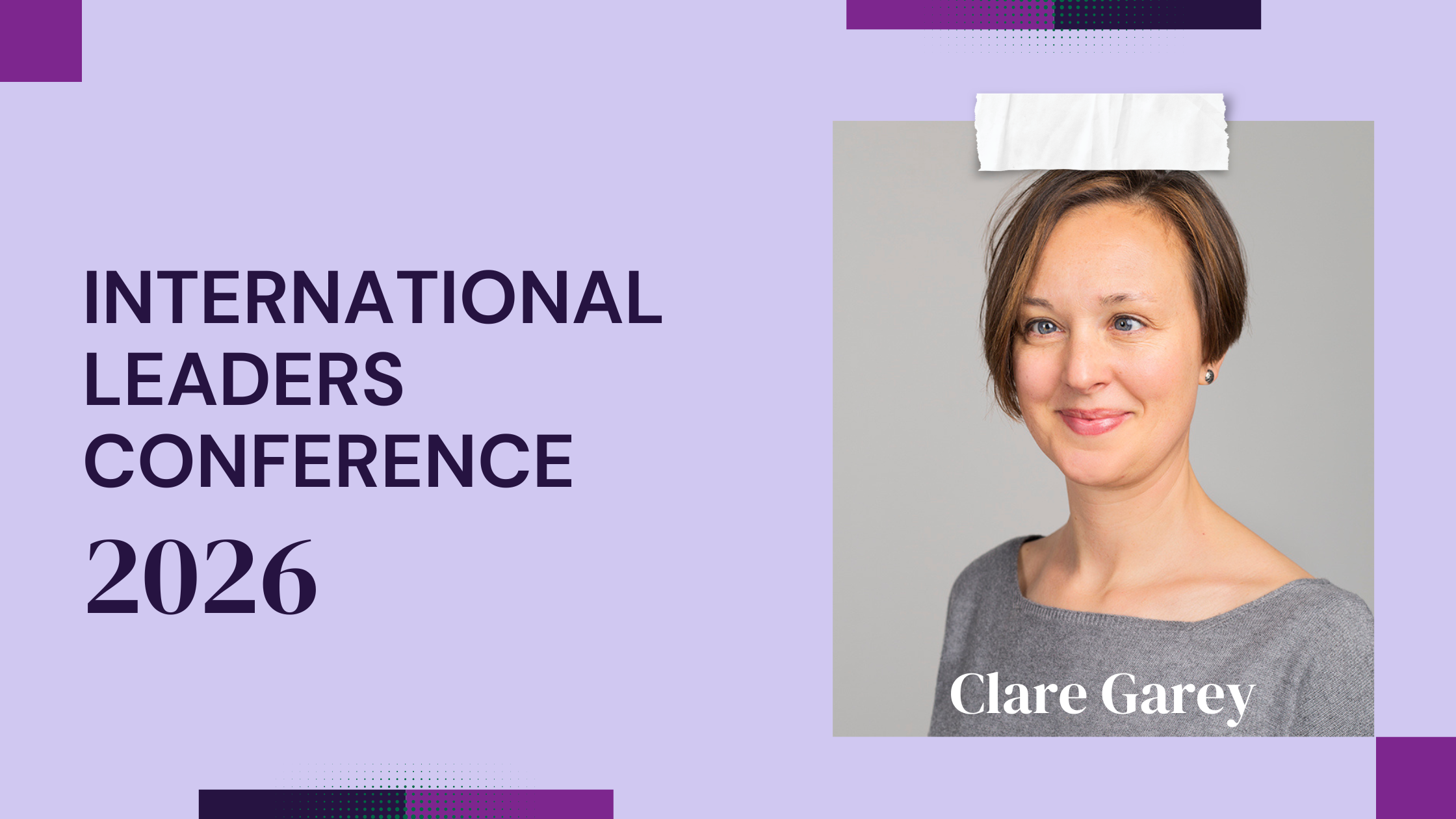
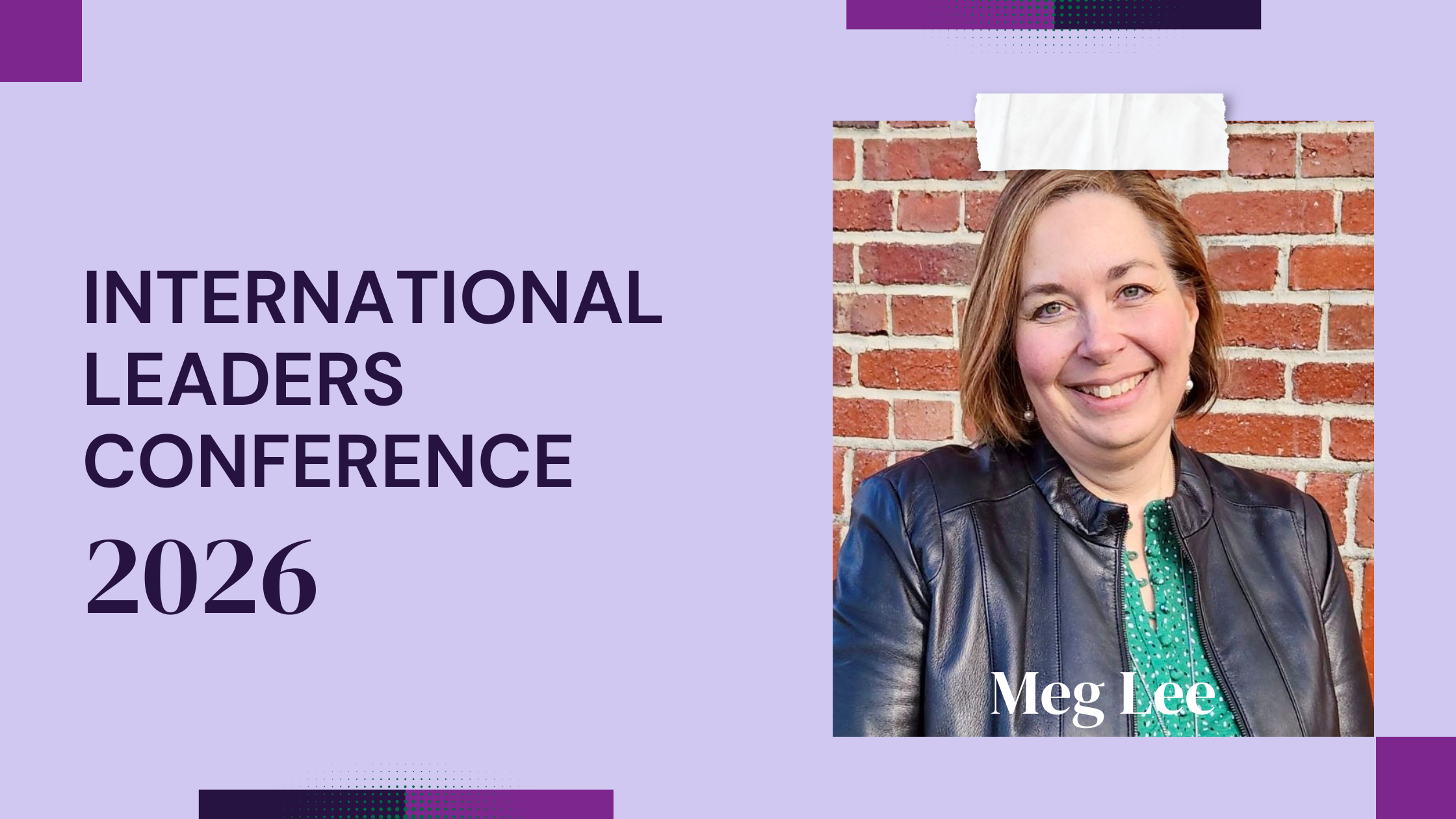
They’re joined by a strong group of practitioner-experts, including Adam Kohlbeck, Chris Passey, Meg Lee, Lori Cohen, and more voices from across the international school community.
Why the International Leaders Conference is different The conference is designed for implementation not just inspiration. Every section is built to help you translate insight into next steps you can take with your team and it’s also a great opportunity to attend alongside someone you’re supporting or mentoring (including through the Red Envelope Gift).
All attendees receive a digital Leaders Playbook, including:
Key speaker ideas and recommended reading
Guided reflection questions
Clear “What’s next?” questions to support action back at school
Sessions will be recorded, but we won’t release full recordings afterwards. Instead, attendees receive curated summary videos with expert commentary, keeping the focus on live participation, discussion, and shared momentum while still giving you something useful to revisit.
To keep the learning moving, everyone is also invited to a free drop-in session two weeks after the conference, with potential opportunities for optional one-to-one coaching with speakers (subject to availability). If you’re committed to leadership that makes a lasting difference – for your team, your students, and your school – we’d love you to join us.
In just one month, educators from across the world will gather in the heart of Prague for two days of professional growth and global collaboration. On 26 – 27 March 2026, Global Learn Connect returns with a clear invitation: not simply to attend, but to engage, reflect, contribute, and transform.
This year’s theme, “Adapting, Thriving and Transforming: Where Legacy Meets Tomorrow – Nurturing Teachers, Inspiring Change”, recognises that education is at a pivotal moment. Schools are navigating complexity and evolving expectations. The need for courageous leadership, collaborative thinking and practical innovation has never been greater.
Voices that inspire Across two dynamic days, delegates will hear from keynote speakers who challenge assumptions and spark new thinking. Amongst them is Sharon West from the International Curriculum Association, who brings deep experience in educational leadership and international collaboration. She reflects:
“When educators come together across borders and contexts, we do more than exchange ideas, we strengthen our collective capacity to shape the future of learning. Conferences like Global Learn Connect remind us that innovation is rooted in collaboration.”
From conversation to collaboration: Talking Tables A highlight of this year’s programme is Talking Tables; an interactive format designed to promote meaningful dialogue and genuine exchange.
Talking Tables creates a collaborative learning environment where every participant has a voice. The aim is simple but powerful: through structured conversation, participants gain fresh perspectives, build new connections and leave with actionable insights.
Learning in action Delegates will also have the unique opportunity to participate in a guided learning walk at Prague British International School. This experience is more than just a school tour, observe authentic practice:
A guided tour of the school campus
Insight into the school’s journey with the international curriculum
Context around how global frameworks are interpreted within a local setting
The opportunity to visit classrooms and see learning in action
Open mic: The Collective Voice The voice of our community is the heart of the International Curriculum Association, and we are constantly seeking ways to create space for meaningful engagement. Global Learn Connect will close with an open mic session to provide an interactive platform for participants to voice their perspectives, tell their stories and present their ideas in a supportive and inclusive environment.
With just one month to go, the momentum is building Global Learn Connect 2026 is not simply another date in the diary. It is an opportunity to reconnect with purpose, expand your professional network and return to your school inspired and equipped for change.
By Debie Nobles, Grade 4 Homeroom Teacher, Hope International Academy, Okinawa
The International Primary Curriculum (IPC) has provided our school, Hope International Academy Okinawa (HIAO), with an opportunity for student-centered, real-world learning that is fun and engaging, making learning more meaningful and relevant to our students’ everyday lives. To increase engagement, we purposely “Glocalise” our units, which means adapting the global context of the IPC units to include the local community and environment. Connecting learning to familiar places and experiences has built a deeper understanding of concepts, led to a boost in student motivation and engagement, and built long-lasting learning that has left our students and the community asking for more!
How do we adapt our units? There are many ways we have “Glocalised” the IPC units. The community is welcomed into our classrooms through guest speaker opportunities who share their real-world knowledge and experiences with the learners, often through hands-on learning opportunities. We take our learners into the community where we spend time outdoors engaging with the local environment. We organise field trips to visit local areas and organisations, often as an opportunity to reflect on the learning that has taken place and deepen their connection by engaging with the people and organisations within their community. We also place value in sharing our learning with families through weekly newsletters and Exit Points to keep them informed and connected to our classrooms.
How do we plan for adaptations? When planning for IPC units, it is important to review the unit planner and identify the Learning Goals that provide the learner with clear and actionable goals that are measurable. Partnered with clear mastery criteria found in the form of learner rubrics, these provide a map of what progress will look like, making learning more visible to the learner. Cross-curricula connections are made with Sustainable Development Goals (SDGs) and Personal Learning Goals that also aim to support the learning within the unit. Once these connections are made, a search for local opportunities begins. We contact local organisations as well as seeking out events that support the Learning Goals. Often, this requires reaching out to organisations to ask if they provide guest speakers or can support group visits which is often met with great enthusiasm. We have made many lifelong partnerships with outside organisations who are becoming repeat guest speakers and a cherished part of the HIAO community. Community connections also exist within the school through teachers and their partners, or parents and families who offer a vast network of opportunity.
What does this look like in Action? The Holiday Show The Holiday Show is a fun and engaging unit about tourism where our Grade 4 class focused on “Sustainable Tourism in Okinawa”. We live on a popular sub-tropical Island, admired for its coral reefs, natural beauty, and deep historical relevance during WWII. Okinawa has an ever-increasing tourist population that has provided both positive and negative effects within our community and the environment.
Before learners could take sustainable tourism to global destinations, it was important for the learners to understand the impact within their own back yard. Learning about Sustainable Tourism in Okinawa meant we could include several community connections:
Learners worked on persuasive writing and speaking tasks convincing our school community to reduce their consumption of natural resources to protect the future of our planet. To culminate the learning, Grade 4 created an SDG video, filmed on and off-campus requesting community action.
A local non-profit organisation, Churamura Sea Turtle Conservation, provided two guest speakers who brought a wealth of knowledge to our classroom about the impacts of tourism on sea turtles living around Okinawa and how we can protect these beautiful sea creatures from harm, even bringing in a taxidermy sea turtle to bring the learning to life.
A field trip was organised to a popular tourist destination, Cape Zanpa Lighthouse and Parklands that has deep historical significance from the Ryukyu Kingdom era, The Battle of Okinawa from World War II, as well as geographical landforms such as cliffs and volcanic rock formations that surround a non-operational lighthouse, providing 360 degree views of the western coast of Okinawa.
A field trip visit to a local, non-profit organisation called Sango Batake which translates to Coral Farm. Students toured this local coral farm that is dedicated to restoring the coral reefs around our beautiful Island. They learned about the positive changes Sango Batake have made, providing proof about the important work they do to support the protection of marine life in Okinawa.
The impact on Student Learning When we made these adaptations to our units, we saw our students using scientific vocabulary more confidently, we saw increased curiosity with more meaningful questions being asked, improved assessment of Learning Goals as they made real-world connections to their learning, and the most important, learners are actively taking action within their community by talking to other grades about living a more sustainable life. Every day, grade 4 learners are picking up trash and talking to their family and friends about protecting their planet! It has truly been a life-changing experience for many learners.
These are some of the many positive statements I have received over the 6 weeks we spent on this one unit!
“It is important for people to learn about the impact of tourism on Sea Turtles because if many people learn, then we can help more and more beach and sea turtles” Riyun – Grade 4.
“My daughter has been coming home everyday telling me about Okinawa History. I am so happy!” – Grade 4 parent during PTC.
“Thank you for the opportunity to share what we do. You are all absolutely wonderful” Victoria – Volunteer from Churamura Sea Turtle Conservation.
If we continue to make learning more meaningful by taking into consideration the real-life opportunities students have to make connections with the world around them, we will create well-informed global citizens who are filled with the Knowledge, Skills and Understanding to make a real difference in the world! I truly believe this is the way forward, so get out there and start “Glocalising”!
Play is not a break from learning; it’s where some of the most profound learning happens. Yet, in today’s pressurised educational landscape, play-based approaches are often sidelined in favour of more structured, rote teaching methods.
On 12 February, we are hosting a free webinar in partnership with Teach Middle East focused on play-based learning. The webinar will be a practical deep dive into how play-based learning can transform engagement, deepen understanding, and develop the critical thinking and problem-solving skills your students need to thrive.
Attendees will learn how to deliver intentionally designed play-based experiences that align with curriculum goals and nurture creativity, collaboration, and joy in learning. The panel will be made up of expert ICA educators, including: • Donna Bonham-Russell (International Educator, Panaga School, Brunei) • Jolinda Groothedde (IEYC/IPC Curriculum Leader, Holland International School, Singapore) • Katy Freeman (IEYC International Educator, Seoul Foreign British School, South Korea) • Laura James (Head of Inclusion and Play-Based Learning, ICA) • Nivine AbouAichy (IEYC Curriculum Lead, PDO School, Oman).
During the webinar they will share real classroom examples, address common implementation challenges, and offer strategies for implementing play-based approaches to learning within a school community.
The session is designed for teachers, curriculum leaders and school administrators from any school, and will take place at 1PM GMT/5PM GST on 12 February 2026.
The International Curriculum Association (ICA) brings together the three age ranges of the International Curriculum: the International Early Years Curriculum (IEYC) for learners aged 2-5+ years old; the International Primary Curriculum (IPC) for learners aged 5-11 years old; and the International Middle Years Curriculum (IMYC) for learners aged 11-14 years old, with Professional Development for teachers and leaders and a two-stage Recognition and Accreditation process for schools, to ensure that with teachers, leaders and schools, we are improving learning, together.
How can cross-phase professional learning facilitate collaboration and meaningful professional development in an International Primary & Secondary school, aligning Diverse Practice with a Shared Vision?
The brief
As international schools grow and evolve, so too does the challenge of creating professional learning that feels both meaningful and manageable for staff. In through schools like ours, spanning Pre-Nursery to Year 13, this challenge can be particularly pronounced. Colleagues work within different age groups, curricular frameworks and utilise a range of pedagogical approaches, yet are united by a shared commitment to the school vision and mission.
Learning Trios at The British College of Brazil
This case study reflects on the use of ‘learning trios’: groups of three colleagues working together towards a shared professional development goal as part of a whole-school professional learning approach. The initiative was deliberately framed using the International Curriculum Association’s Process to Facilitate Learning, helping to create a common language for learning across the group of educators. Rather than offering a step-by-step account of what happened, this case study focuses on what we learned from the process: what worked well, where challenges emerged and what this might suggest for future processes.
Why learning trios?
The decision to use learning trios grew out of a desire to strike a better balance between individual goals and collective learning. Like many schools, we recognised that large group professional development sessions can sometimes feel too broad, while individual performance targets can unintentionally lead to isolation for staff. There was also an acknowledged need at the school to bring the Primary and Secondary sections closer together and it was felt that professional development offered a means for achieving this.
As part of the first round of performance management meetings in September, teachers and assistant teachers identified their own professional development priorities. Line managers then collated these targets, and the Head of Primary and Head of Secondary worked together to look for areas of shared interest across the school. In some cases, strong and specific links emerged, for example, more effectively supporting students who were new to learning English or making better use of group-wide digital learning platforms.
Bringing colleagues together across Key Stages was a deliberate and important choice. It reflected the reality of a through school, where students’ learning journeys do not sit neatly within Key Stage boundaries, and it encouraged professional relationships and conversations that might not otherwise take place.
Using the ICA Process to Facilitate Learning
A central feature of the initiative was its connection to the ICA’s Process to Facilitate Learning. This framework, most often used to support student learning, was applied to teacher professional learning to promote coherence across the trios.
At the whole-school launch meeting, colleagues were invited to think of themselves as learners moving through the stages of the process: identifying an Entry Point, Knowledge Harvest, explaining and applying learning, reflecting on progress and considering next steps, and engaging in an Exit Point through a learning exhibition.
Using the process was effective in two ways. Firstly, it helped normalise professional learning as an ongoing, reflective process rather than a fixed outcome linked solely to the performance management cycle. Secondly, it reinforced the idea that the ways we support teachers’ professional learning should mirror the practices we promote in classrooms.
How the trios worked in practice
Each trio was asked to hold an initial planning meeting to agree on what they hoped to achieve together, ‘ground rules’ for how they would work collaboratively and independently and decide how often they would meet over the following seven weeks. While no fixed meeting structure was imposed, trios were encouraged to keep brief minutes to capture key discussion points, decisions and reflections. This supported both continuity of meetings and shared accountability to the process.
Autonomy was an important feature of the approach. Trios were free to shape their own process in ways that felt relevant and practical, drawing on research, classroom experimentation or peer observation as appropriate. This flexibility aligned with the ICA emphasis on learner agency, although it also meant that the trios progressed at different speeds and to different depths.
The process concluded with a learning exhibition at the end of term. Each trio chose how to share its learning, resulting in a range of engaging formats including presentations, videos, posters and live discussions. The celebratory sharing of practice helped position the process as something to be valued and learned from collectively.
What did we find?
Engagement data and staff feedback suggest that the learning trios had a positive impact overall:
Around three-quarters of trios met between three and five times during the seven-week period.
Two-thirds of staff visited three to four exhibition stands, indicating strong engagement with colleagues’ learning.
More than half of respondents felt that the learning trios had positively supported their professional development during the term.
Given the relatively short timeframe and the fact that this was a new approach for many colleagues, these outcomes were encouraging. The exhibition in particular appeared to support accountability and encourage curiosity, therefore extending learning beyond individual trios.
Strengths of the approach
Several clear benefits emerged from the process. As the focus areas came directly from colleagues’ own development goals, the learning felt purposeful and closely connected to day-to-day practice. Where objectives were well matched, the trios approach created meaningful opportunities for colleagues from different Key Stages to learn from one another and gain new perspectives. The combination of meeting notes and public sharing encouraged participation without feeling overbearing. Using the ICA learning process with staff reinforced the idea that everyone in the school community is a learner, regardless of their role or experience.
Lessons learned
The process also brought to light some important areas for refinement. Where trios were formed around broader themes, a side effect of a wide range of professional development targets, colleagues found it harder to sustain depth. Several colleagues provided feedback that further input on the research underpinning collaborative professional learning like this would have supported their confidence and buy-in. While autonomy was appreciated, clearer expectations around meeting frequency may have helped ensure more consistent engagement across trios. As ever, workload pressure limited how deeply some trios were able to explore their focus areas.
Looking ahead
Overall, this experience suggested to us that learning trios can be a valuable professional learning approach in through schools, particularly when they are aligned with professional targets, well supported by research and expectations are clearly structured by the leadership team. We found that the Process to Facilitate Learning offers an effective way to connect teacher development with day-to-day classroom practice and the school’s shared values. We concluded that future processes could be strengthened by tightening up the grouping process to avoid loosely connected trios, offering a clear research grounding at the introductory stage and aiming for more explicit links between the professional learning taking place and the impact on student learning.
Learning trios offered us a constructive way to bring colleagues from across the school together around shared goals, encouraging collaboration, reflection and professional curiosity. While not without its challenges, the approach supported a sense of collective responsibility for learning and reinforced the idea that professional development, like student learning, is most impactful when it is purposeful, collaborative and reflective.
The International Curriculum Association (ICA) brings together the three age ranges of the International Curriculum: the International Early Years Curriculum (IEYC) for learners aged 2-5+ years old; the International Primary Curriculum (IPC) for learners aged 5-11 years old; and the International Middle Years Curriculum (IMYC) for learners aged 11-14 years old, with Professional Development for teachers and leaders and a two-stage Recognition and Accreditation process for schools, to ensure that with teachers, leaders and schools, we are improving learning, together.
By Holly Doobraz-Cheekhooree, Greencoast International School, Mauritius
As a quite recent school, only six years of operation and implementation of the International Primary Curriculum, Greencoast International School’s Recognition journey has been exceptionally smooth and genuinely enriching, thanks to the outstanding support and professionalism of the entire International Curriculum Association’s (ICA) team. From the very start, the team was consistently supportive, always available, and reassuring at every step. We felt guided throughout the process. The microcredentials also played a key role in facilitating our progress; even while completing them independently, we never felt alone, as ICA staff were always round the corner to provide clarity whenever needed.
One of the highlights of our experience was the Recognition Evaluation visit. We had prepared ourselves for what we expected to be a long and intense day, but thanks to our evaluation lead, the visit felt smooth, comfortable, and unexpectedly short. His professionalism, warmth, and ability to acknowledge Greencoast’s IPC journey made everyone feel valued. The entire staff felt seen and appreciated, which contributed greatly to the positive atmosphere of the visit.
Greencoast sought ICA Recognition to formally validate the strong learning culture we have been building through the IPC. We wanted a meaningful and constructive external lens on our practice, one that aligned with our commitment to improving learner outcomes, curriculum coherence, and the whole community’s collaboration. ICA Recognition represented a milestone affirming that we are on a purposeful journey of continuous growth, development and improvement.
The self-review process encouraged deep reflection across all teams. It allowed us to align our practices more closely with IPC principles, highlight areas of strength, and identify areas in which we could further innovate. It brought teams together in new ways, strengthening professional dialogue and enhancing whole-school coherence. It offered a platform whereas a whole school, a community each and every one could have a voice.
The visit was very professional and yet very human. It reinforced that the IPC is not about compliance but about authentic learning experiences. Our evaluators approach made all of us feel comfortable sharing our journey openly, and their insights affirmed our strengths while giving us practical next steps. The positive tone of the visit boosted our confidence and reinforced the value of the work we are doing.
We would encourage schools to embrace the journey with openness and trust. The ICA team is genuinely there to support and guide. The process is developmental, not evaluative. Engage in the microcredentials fully, lean on the ICA team whenever needed, and allow time for reflection. They truly make a difference. Most importantly, it is not about waiting for when everything is “perfect,” to embark on the Accreditation process since the learning happens throughout the journey.
One of our most meaningful moments are firstly the school tour led so beautifully by 2 of our Year 6 learners who showed true sense of belonging, love and learning. Whilst we (the head of school and the curriculum coordinator) stayed around thinking “they might need us at some point or just a thumbs up for reassurance”, our learners, confidently led and explained each and every aspect of our school. Similarly, whilst we were not prepared for the learners to be interacting with the evaluation lead, seeing how confidently they articulate their learning during the classroom visits reflected the authenticity and the wealth of knowledge, skills and understanding they are having the opportunities to acquire and develop through the IPC.
Author
School Services Team
These information sessions are brought to you by the ICA School Services Team. Their aim is to support schools around the world through the Recognition & Accreditation process with the aim of improving learning.
Faria Education Group is a leading EdTech provider that builds comprehensive, seamless solutions for schools. Through ManageBac+ schools can manage curricula, plan collaboratively and administer key tasks like grading, reports and attendance tracking in one place.
Our extended collaboration will offer ICA subscribed schools a streamlined pathway to implement the International Curriculum. ManageBac+’s end-to-end strategies for applying the curricula will include:
Tailoring the International Curriculum to your region – ManageBac+ will respond to the specific needs of our schools by supporting the adaptation of the curricula to local requirements. Schools will be able to easily blend our services with other curricula and connect with other schools across borders.
Improved curriculum implementation – Schools will have access to structured guidance and ready-made workflows to help new and experienced ICA educators bring our curricula to life. With implementation strategies approved by ICA experts, actioning our pupil-first, evidence-based curricula has never been easier.
Promoting a learner-focused experience – The collaborative platform will empower pupils to take control of their own learning, with enhanced student portfolios and tools to document growth, celebrate achievements and make meaningful connections between subjects.
With ManageBac+’s curriculum management software, schools will be able to take full advantage of the global adaptability of the International Curriculum.
“We are thrilled to be expanding our work with Faria Education Group, which shares the ICA’s belief in creating quality resources to promote outstanding education,” said Sharon West, Head of School Services at the ICA. “The adaptable and collaborative nature of ManageBac+ makes it perfect for international schools, which have unique needs determined by their location and the diversity of their student bodies. We feel confident that our extended partnership will help ICA schools make the most of what our curricula and Faria’s platforms have to offer.”
MacKenzie Murray, Chief Operating Officer at Faria Education Group, said: “We are excited to expand our collaboration with the International Curriculum Association to better serve schools adopting the International Curriculum around the world. Our teams share a commitment to supporting educators with clarity, consistency, and tools that elevate student learning and wellbeing. This work strengthens our long-standing mission to help every school thrive.”
Author
International Curriculum Association
The International Curriculum Association (ICA) brings together the three age ranges of the International Curriculum: the International Early Years Curriculum (IEYC) for learners aged 2-5+ years old; the International Primary Curriculum (IPC) for learners aged 5-11 years old; and the International Middle Years Curriculum (IMYC) for learners aged 11-14 years old, with Professional Development for teachers and leaders and a two-stage Recognition and Accreditation process for schools, to ensure that with teachers, leaders and schools, we are improving learning, together.