Search List show here

Learning in Action: A Dynamic and Engaging Journey

Fostering Curiosity and Inquiry-Based Learning

An engaging learning environment encourages children to explore, ask questions, and take ownership of their learning journey. Hands-on experiences create meaningful connections, allowing students to apply their understanding in real-world contexts. Indoor and outdoor spaces evolve with each thematic unit, showcasing student work, reflections, and explorations that reinforce learning.

Bringing Themes to Life: Engaging Entry and Exit Points

Thematic units spark curiosity, critical thinking, and active participation. During the Animal Rescuers unit, children engaged in role-play, exploring different learning zones such as examination, rescue, and care centres. Exit Points further strengthen learning by bridging classroom experiences with the real world. As part of Animal Rescuers, students visited the National Zoological Park to observe conservation efforts. In Going Places, they experienced public transport firsthand—purchasing tickets, identifying road signs, and exploring the Metro system, making their learning tangible and immersive.

Parental Involvement: Strengthening the Home-School Connection

Learning extends beyond the classroom, and parental involvement plays a crucial role in enriching students’ experiences. By participating in classroom activities, parents help create deeper engagement and strengthen the home-school partnership. During Weather Wonders, a parent who is a weather reporter shared real-world insights, making weather concepts more relatable. Similarly, a parent author engaged students in storytelling sessions, reinforcing thematic learning while fostering creativity and imagination.

Collaborative Learning Across Age Groups

Cross-age collaboration encourages teamwork, communication, and shared learning. In Weather Wonders, older students worked with younger peers to bring a shadow theatre performance to life. These meaningful interactions foster confidence, leadership, and a supportive learning environment where students learn from one another.

Holistic Development Through Hands-On Learning

Learning is an ongoing journey that nurtures every aspect of a child’s development—intellectual, emotional, and social. Students engage in creative play, practical activities, and outdoor explorations that spark curiosity and discovery. In Weather Wonders, students not only learned about weather forecasting but also built their own weather instruments. As part of Animal Rescuers, they explored pottery, using desert sand with guidance from a community helper. These hands-on experiences encourage deeper connections with the world while developing essential life skills.

Empowering Global Citizens: A Dynamic Learning Community

Beyond academics, learning fosters cultural awareness, global perspectives, and real-world connections. Activities such as cultural storytelling, community events, and peer collaborations nurture an appreciation for diversity and a sense of belonging to a global community.

Voices of Children in Action

As part of the Voices of Children project, an international research study led by University College London (UCL) and the Bright Start Foundation, children share their creative expressions through art, storytelling, and hands-on activities. This global platform showcases their work alongside peers from around the world. ★

Visualising the Journey: Learning in Action

The collection of images, available in the link below, captures the essence of learning in action.
The photos highlight dynamic classroom experiences, hands-on activities, and meaningful interactions that showcase how children explore, reflect, and connect with their learning in impactful ways. Click here to view the full gallery.

★Our recognition as one of the Voices of Children Creativity Centres comes as a result of our engagement with the International Early Years Curriculum (IEYC). Through IEYC, children experience inquiry-based learning that fosters creativity, exploration, and self-expression, connecting with the essence of the Voices of Children project.

Author

Picture of Ishika Kaul from Nehru World School

Ishika Kaul from Nehru World School

ICA Teacher Awards winner 2025

My Nigeria, My Culture

A flexible curriculum

The International Early Years Curriculum (IEYC) is designed with flexibility at its core, empowering schools to create tailored curricula that align with their unique contexts and specific learning experiences. Building on this foundation, the Early Years team at RA International School came together to collaboratively develop a unit that enriches children’s sense of identity and cultural awareness.


Embracing culture: The rationale behind our new IEYC unit

In today’s rapidly changing world, children are increasingly at risk of losing touch with their cultural roots. This disconnection can lead to a diminished sense of identity and belonging, particularly for young learners. Recognising this challenge, we have developed a new unit for the IEYC that focuses on the rich tapestry of Nigerian culture. This initiative aims to achieve several key objectives: to embed or positively inculcate Nigerian culture in children, to raise awareness among those who may not call Nigeria home, and to promote a sense of identity and self-concept among the children.


Entrenching Nigerian culture in children

One of the primary motivations for creating this new unit is to instil a deep appreciation and understanding of Nigerian culture in our young learners. By integrating cultural elements—such as traditional stories, music, art, and festivals—into the curriculum, we provide children with a vibrant context for their learning. This approach not only enriches their educational experience but also fosters a sense of pride in their heritage. As children engage with their culture, they develop a stronger identity, which is crucial for their emotional and social development.


Creating awareness for non-Nigerian children

In a multicultural classroom, it is essential to create an inclusive environment where all children can learn about and appreciate diverse cultures. For children who may not be from Nigeria, this unit serves as an introduction to the country’s rich traditions and values. By exploring Nigerian culture, these children gain insights into the lives and experiences of their peers, promoting empathy and understanding. This awareness helps to build a cohesive community where differences are celebrated, and every child feels valued.

Promoting a sense of identity and self-concept

A core objective of this unit is to promote a strong sense of identity and self-concept among children. Understanding who they are and where they come from is crucial for their overall development. By exploring their cultural backgrounds, children can better appreciate their unique identities and the values that shape them. This exploration helps them build confidence and self-esteem, which are essential for navigating social interactions and forming relationships with others. When children see their cultures reflected in the classroom, it fosters a positive self-image and belonging (1). To form positive self-concepts, children must honour and respect their own families and cultures and have others honour and respect these key facets of their identities too. A learning environment that validates every child’s family and culture ensures that everyone feels visible and proud (2). Click here to view the unit at a glance.

References

1. T. Roisleen, Creating a Culturally Responsive Early Childhood Classroom. Edutopia, 2021

2. B. Kaiser, Opening the Culture Door: Valuing Diversity. Continued, 2021

Author

Picture of Oluyemisi Aluko and Marytina Osuchukwu

Oluyemisi Aluko and Marytina Osuchukwu

RA International School, Bonny Island

Back to news

2 May 2024

icaVoice Newsletters

See below the latest editions of the icaVoice Newsletter. To sign up to receive our icaVoice newsletter, head over to our homepage and scroll down.

January edition
April edition
Back to news

22 April 2024

Equipping Learners to be Future-Ready: How Cultivating EQ in Middle School Leads to Success

Do you ever wish your middle school learners could navigate the emotional rollercoaster of adolescence with greater equanimity? The key to managing emotions is being very deliberate with Emotional Intelligence (EQ) and how it is woven into classroom practices. While it might not be as flashy as mastering long division, developing strong EQ skills is crucial for your learners’ academic success and future well-being. Let’s explore why EQ is the hidden curriculum that deserves a starring role in your classroom, and how schools like East-West International (EWIS) in Phnom Penh, Cambodia, are using this knowledge to cultivate strong emotional intelligence in their middle school students.

The world our learners are stepping into is rapidly changing. Automation and Artificial Intelligence (AI) are transforming the job market, with machines handling tasks previously thought to be the exclusive domain of humans. This rapid change raises a crucial question for educators: are the skills we currently teach preparing learners for an uncertain future? While the technical skills they learn today might become obsolete, the ability to manage emotions, collaborate effectively, and adapt to change will always be in demand.

EQ is the ability to understand and manage one’s own emotions, while also recognizing and responding to the emotions of others. It encompasses self-awareness, self-regulation, empathy, motivation, and social skills – all qualities that will remain highly sought-after in the future workforce.

At EWIS, emotional intelligence is a key ingredient to student success. Strong communication, teamwork, and conflict resolution – all key components of high EQ – are woven into the learning experiences, creating an environment that promotes prosocial behavior and builds empathy. By fostering EQ in the classroom, learners are better equipped with the tools they need to become future-ready lifelong learners.

How Does EWIS Cultivate Strong Emotional Intelligence in its Teaching Practices?

Here are a few EWIS-specific strategies you can consider:

Emotionally Intelligent Activities: EWIS uses reflection on both academic and social emotional areas to help learners come to terms with their feelings. In writing, they reflect on their progress before and after assessments and offer a personalized opinion on the Big Ideas.

Journaling for Growth: EWIS encourages journaling as a tool for self-reflection. Learners can explore their feelings in a safe space, identify triggers that lead to strong emotions, and develop healthy coping mechanisms. It is also a great way to build metacognition

Cooperative Learning: All educators at EWIS are trained in Kagan Cooperative Learning Structures, which are critical in promoting an environment that builds and maintains relationships. By having these consistent structures in each class, the school is able to frame their learning around the emotional needs of the students as they develop together.

Peer-to-Peer Feedback: EWIS uses a feedback structure called T.A.G. that gives learners the tools they need to feedback to one another effectively. This creates a culture of feedback where learners build positive interdependence in a controlled space. Learners experiment with empathy and effective communication by experiencing it first-hand on a daily basis. 

By prioritizing EQ development, EWIS has created a calmer classroom environment. This fosters a space where educators can effectively lay the foundation for learners to better cope with stress, explore their feelings and learn the impact they have on others. Ultimately, this helps them build longer-lasting relationships, navigate challenges more productively, and become well-rounded individuals with the emotional intelligence to not only participate in the future, but to thrive in it.

The Takeaway

The educational landscape is changing, and students need to be prepared for an uncertain future. While the technical skills they learn today might become obsolete, harnessing the power of emotional intelligence equips students with the ability to manage emotions, collaborate effectively, and adapt to change – skills that will put them at an advantage later in life. By fostering EQ development alongside academics, educators can empower students to become future-proof learners who can thrive in the face of any disruption.

Back to news

22 April 2024

Get to know Chris Barnes from Hillel Academy

1.  Let’s start with a glimpse into your professional journey. Can you share a bit about your background?

My journey commenced at The University of the West Indies, Jamaica, where I pursued both my Bachelor’s degree in Biology with a focus on Education and my Master’s degree in Educational Leadership and Management. These formative years laid a robust foundation for my career in teaching and educational leadership. With a relatively young tenure in academia spanning four years, I’ve been fortunate to embrace leadership roles, including that of a Curriculum Coordinator. Throughout this journey, I’ve remained driven by a profound passion for both the subject matter and the pedagogical process, propelling me to consistently innovate and enhance my teaching practice.

2.   What’s one piece of advice you would give to someone starting out their teaching career and one piece of advice to someone who has been teaching a while but wants to incite change in their school?

One piece of advice for someone embarking on a teaching career is to ensure that their motivation stems from a genuine passion for the field. Teaching demands not only knowledge and skills but also emotional investment. It can be emotionally draining at times, and having a deep-seated love for education is vital for sustained growth and fulfillment in the profession.

For experienced teachers seeking to incite change in their school, it’s crucial to revisit their initial motivations and remember “why” they chose to enter the teaching profession. Reconnecting with this sense of purpose can reignite their passion and provide clarity in driving forward initiatives for change. Moreover, it’s essential for seasoned educators to adopt a growth mindset, viewing challenges not as indicators of inadequacy but as opportunities for personal and professional development. Embracing this mindset enables them to approach obstacles with resilience and a willingness to learn, ultimately fostering an environment of continuous improvement.

3.  When did you/your school begin the journey with IMYC, and how long have you been implementing it?

Our school began its journey with the IMYC six years ago. Since then, we have been dedicated to implementing this innovative curriculum framework, which has greatly enriched our students’ learning experiences.

4.  What are the biggest challenges on the horizon for your context/school?

Our primary challenge revolves around striking the delicate balance between academic rigor and holistic learning while preventing staff and student burnout. While we aim to uphold high academic standards, we recognize the importance of providing a learning environment that nurtures students’ overall well-being and fosters meaningful connections between curriculum content and their lived experiences.

5.  How has implementing the IMYC helped with improving learning in your context/school?

One of the key benefits is the framework’s emphasis on inquiry-based learning, which fosters critical thinking, creativity, and problem-solving skills among our students. The curriculum allows our students to extend their knowledge beyond their context and make international connections, enriching their understanding of global issues and perspectives.

Furthermore, the IMYC’s flexibility enables teachers to personalize learning experiences and cater to the diverse needs and interests of students. This flexibility not only empowers teachers to innovate and adapt instructional strategies but also fosters their professional growth and development. By continually refining their practice and exploring new pedagogical approaches, teachers are better equipped to meet the evolving needs of their students and create engaging learning experiences.

6.  If you could have any superpower related to your work, what would it be and why?

If I could have a superpower related to my work, I’d be thrilled to have the ability to predict the future! Just imagine the excitement of being able to anticipate upcoming challenges and opportunities in education before they even arise. With this superpower, I’d be able to stay one step ahead, dynamically adapting curriculum, teaching methods, and school policies to ensure our students receive the best possible education.

7.  We’d love to know a bit more about you beyond your professional persona. What do you like to do when you’re not working?

Outside of work, I’m all about the thrill of Broadway musicals, the excitement of anime adventures, and the mind-blowing wonders of space exploration! Whether I’m belting out show tunes, binge-watching the latest anime series, or geeking out over space videos, I’m always up for an exhilarating adventure that sparks joy and ignites my imagination! From musicals such as Hamilton to the epic battles of Naruto, I love diving into worlds filled with creativity, imagination, and endless possibilities.

8.  What’s the most interesting thing you’ve learned recently, inside or outside of work?

One of the most fascinating things I’ve recently learned is about the phenomenon of aphantasia, where some individuals lack an internal narrator or mental imagery. This revelation has reshaped my understanding of human cognition and perception, highlighting the diversity of experiences within our own minds. Simply shows how unique we all are.

9.  What’s your favourite way to unwind and de-stress after a busy day?

My favorite way to unwind and de-stress after a busy day is by calling my parents. Every day at 6:30pm, I make it a point to call my mom and dad. This daily ritual not only helps me decompress, but it also strengthens my bond with my family, providing a sense of comfort and support that rejuvenates me for the days ahead.

10. One thing on your bucket list?

To travel the world and connect with different people and cultures.

Back to news

22 April 2024

International Dimension and Global Learners

MET Rishikul Vidyalaya had an interactive cross-cultural exchange session with Jakarta Nanyang School, as part of our exiting IEYC Unit – Let’s Have a Party.

The unit is “learning all about celebrations and parties that happen all around the world!” a fun-filled video session was conducted, wherein both schools enjoyed exchanging vibrant traditions and festivities. For the unit’s Learning Block 1: Celebrations Around Me – our students proudly presented and explained the rich cultural heritage of Makar Sankranti, a significant kite-flying celebration of the harvest festival in India. Witnessing their enthusiasm and pride as they shared our country’s traditions was an amazing moment to note.

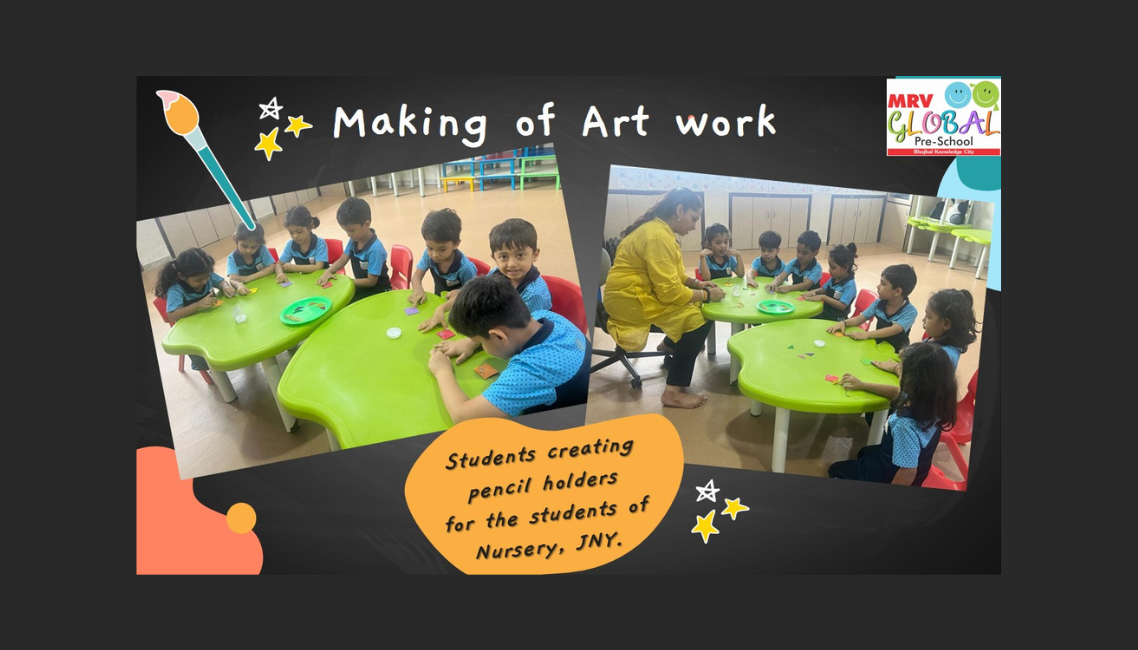
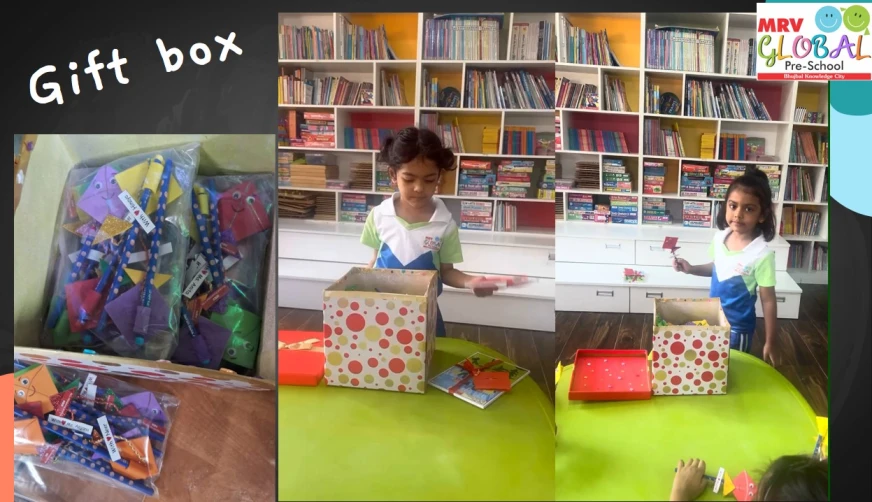
Equally fascinating was the exposure to the unique birthday traditions of the students and teachers from Jakarta Nanyang School. Their distinctive practices added an extra layer of excitement and intrigue to our partnership for learning. The excitement reached new heights as both schools exchanged greetings and souvenirs of super cool pencil cap holders (by MRV) in the form of kites and bead bracelets (by JNY), making the experience even more memorable.

This collaborative experience has left an indelible mark on all participants, creating lasting memories and reinforcing the values of collaboration, cultural exchange, and global learning. We extend our heartfelt thanks to our young ambassadors and the Jakarta Nanyang School for making this cultural journey an incredible success!

Back to news

7 March 2024

Unpacking the International Curriculum Conference 2023: A Summary of the Inspiring Insights

I had the privilege of attending the International Curriculum Conference for 2023 (ICC23) in Ho Chi Minh City, organized by the International Curriculum Association. Despite the long journey from Zambia to Vietnam, the enriching experience made every mile worthwhile.

The conference united educators from around the globe, fostering a collaborative environment that encouraged the sharing of educational journeys. Informal networking sessions allowed for insightful discussions, motivating me to enhance my teaching practices. It was a platform where curriculum leaders, including myself, exchanged ideas and explored ways to optimize learning using ICA programs.

The keynote on Global Competency resonated with me, energizing my commitment to initiate projects at the International School of Lusaka. Additionally, leading a session on Learner Agency in the IMYC provided an opportunity to share insights and deepen my understanding of the topic.

The exceptional support from ICA staff during session preparation and execution was instrumental. Their encouragement empowers educators to share their expertise confidently. I was honored to contribute to a keynote alongside inspiring colleagues, thanks to the thoughtful session led by Sarah and the team.

Bringing home a wealth of knowledge, I am already sharing insights with my colleagues at the International School of Lusaka, where I’ve been teaching for thirteen years. Leading the IMYC for seven years, the conference has sparked fresh ideas to enhance learning experiences at ISL.

Celebrating sixty years of existence, ISL offers a diverse international education, embracing IB PYP, IMYC, IGCSE, and IB DP programs. With students and teachers from over 60 countries, ISL creates a rich intercultural learning environment. The school’s commitment to developing globally competent students aligns seamlessly with the philosophy of the ICA.

In conclusion, the ICC23 was a transformative experience, fostering collaboration and innovation in education. I am excited about the positive impact these insights will have on the learning journey at the International School of Lusaka.

Sign up to receive the icaVoice newsletter on our home page!

Back to news

7 March 2024

Enhancing Mindset, Improving Learning: The impactful journey with ICA

We are so grateful to receive the news that our school, Sekolah Cita Buana, was presented with the Recognition Award from the International Curriculum Association (ICA). It was an accomplishment for the whole school community:  the academic team, parents, students, staff, and the school management team who took part from day one when we decided to have the implemented International Early Years Curriculum (IEYC) reviewed by the ICA through its recognition process.

Reviewing the curriculum implementation that has been the heart of the school’s learning process for more than five years and the commitment to provide quality education for the community were two of the management’s genuine intentions to have the ICA recognition process. Those goals were crucial, especially since the school had just experienced a significant impact from the pandemic that struck the country hard. The uncertainty and chaotic situations made the school often change its learning policy. Internally, our school also lost several faculty members; five people died of COVID-19, some were in isolation, and many needed logistic supplies. The anxiety rose when many schools in the region closed down because of some unfortunate conditions.

When many schools in Jakarta were at such a loss, having IEYC as our learning guidance was more than a blessing to us in that time full of challenges. The IEYC Learning Foundations and Coverage align with our school’s unique educational service and culture, with its inclusivity, where children of different abilities and needs are valued. The Personal Learning Dimensions were indeed a lifesaver. Children’s resilience and adaptability were put into solid practice from 2020 to 2023. The teachers conducted different scenarios of learning and explorations, ensuring the learning provided meaningful experiences for the children online or blended and onsite with some restrictions. The definition of learning had naturally transformed into physical and mental well-being for all.

Sekolah Cita Buana in Jakarta is a joint-cooperative school that also implements the National Curriculum (Kurikulum Merdeka), not merely to fulfill the government regulation but also since its establishment in 1995, the spirit of nationalism is explicitly stated in the school’s vision, mission, and educational goals. The International Goals of the IEYC equip the children in our school to develop their curious mind and sense of curiosity about the world and its people. Children are also allowed to explore global perspectives, and when ready, they can take action and make a difference. We believe that this combination is what made our school keep its existence.

Some consolidations are needed to recover the learning and patch the development gaps among the children. The ICA Recognition Process has helped to measure the effectiveness of the curriculum implementation in our school. We felt guided and encouraged to continue confirming the understanding of the curriculum implementation and improving the learning for our young learners. The mentoring sessions provided clarity about the required evidence. As our school also met the standard of Indonesia’s MoE, we almost did not find major difficulties in the journey of the ICA Recognition Process. The required documents did support the requirements set by ICA. The only challenge was our internal time management, and we appreciate the patience and commitment of the mentor and accessor from the ICA, which kept us going to achieve our goal.

With the ICA Recognition Award we received, we are more confident in the continued improvement and curriculum implementation. Also, with the quality assurance by the ICA, Sekolah Cita Buana can provide the most valid document required by the government for national accreditation and school permits. But, again, above all, providing quality education that gives true impact to the learners and an enhanced mindset to the school community are the main intentions of the journey we took with ICA.

Recognition and Accreditation

Sign up to receive the icaVoice newsletter on our home page!

Enquire now

Find out more about ICA products and services!