Join us for the 3rd in our series of Accreditation and Recognition information sessions designed to support you through our Recognition & Accreditation process. Learn about the products and services we offer to help your school’s journey with the ICA!
Upcoming Information Sessions
Session 3: How to Engage All Stakeholders in Effective Self-Review – A live panel discussion! Date: June 3, 2025 @ 11:00 AM UK Time
Session 4: The Role of the ICA in Supporting Effective Self-Review Date: August 19, 2025 @ TBA UK Time
These information sessions are a great place to:
Learn more about Coaching for Implementation
Explore Mentoring for Recognition & Accreditation
Find out about Micro-Credential pathways
Learn more about our Recognition and Accreditation process
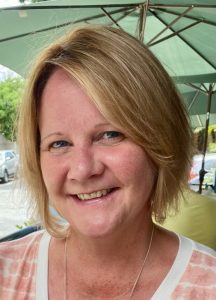
These ICA Recognition & Accreditation Information Sessions are led by our Head of School Services, Sharon West and supported by School Services Associate Manager, Sim Galsinh.
These hour-long sessions are an opportunity for you connect directly with the ICA and learn more how Recognition & Accreditation can positively impact your school.
Support Improving Learning
Attending an ICA Information Session can help you to reflect on the impacts on learning in your school or context and determine your next steps along the pathway towards Recognition and Accreditation.
These sessions provide an introduction to our range of services available that support schools in developing their capacity for self-evaluation in readiness for a formal evaluation by the ICA.
These information sessions are brought to you by the ICA School Services Team. Their aim is to support schools around the world through the Recognition & Accreditation process with the aim of improving learning.
We are pleased to share that we have partnered with Monster Phonics!
Monster Phonics is an award-winning programme with a multisensory approach that dramatically enhances learning and engagement. From Nursery to Year 6, a comprehensive phonics and spelling scheme that guides children on an exciting learning journey. The partnership enables international schools to access innovative phonics resources that cater to diverse learning needs and enhance English language acquisition.
Join us on Tuesday 27 May to hear from Monster Phonics and the ICA. Learn more about integrating Monster Phonics into your curriculum and which resources will be available. There will also be a Q&A at the end of the session.
The International Curriculum Association (ICA) brings together the three age ranges of the International Curriculum: the International Early Years Curriculum (IEYC) for learners aged 2-5+ years old; the International Primary Curriculum (IPC) for learners aged 5-11 years old; and the International Middle Years Curriculum (IMYC) for learners aged 11-14 years old, with Professional Development for teachers and leaders and a two-stage Recognition and Accreditation process for schools, to ensure that with teachers, leaders and schools, we are improving learning, together.
Thursday 03 April 2025 – 9:30, 16:00 and 20:00 UK time
Strategies for Supporting Multilingual Learners
Panelists will share how they have been embracing all languages and cultures as they design learning opportunities for their Multilingual Learners at their schools. We know that Multilinguals need to be challenged, have choice and agency as they access grade level appropriate curriculum that affirms, celebrates and validates who they are.
The International Curriculum Association (ICA) brings together the three age ranges of the International Curriculum: the International Early Years Curriculum (IEYC) for learners aged 2-5+ years old; the International Primary Curriculum (IPC) for learners aged 5-11 years old; and the International Middle Years Curriculum (IMYC) for learners aged 11-14 years old, with Professional Development for teachers and leaders and a two-stage Recognition and Accreditation process for schools, to ensure that with teachers, leaders and schools, we are improving learning, together.
ICA Regional Event: Transforming Education with International Curriculum Training
Join us for the ICA Regional Event in Brazil, where experienced ICA trainers will lead cooperative training sessions tailored for schools in your region. This event focuses on the International Primary Curriculum (IPC) and the International Early Years Curriculum (IEYC), offering guidance through our Level 1: Implementing or Level 2: Embedding courses.
Connect with fellow educators and school leaders to exchange ideas, share experiences, and explore new approaches to enhancing teaching and learning. This event is designed to empower educators with the tools, strategies, and support they need to meet the diverse needs of their students in an increasingly globalized world.
Join us for this event, kindly hosted by Escola Eleva Botoafogo on 27 – 28 March 2025.
The International Curriculum Association (ICA) brings together the three age ranges of the International Curriculum: the International Early Years Curriculum (IEYC) for learners aged 2-5+ years old; the International Primary Curriculum (IPC) for learners aged 5-11 years old; and the International Middle Years Curriculum (IMYC) for learners aged 11-14 years old, with Professional Development for teachers and leaders and a two-stage Recognition and Accreditation process for schools, to ensure that with teachers, leaders and schools, we are improving learning, together.
Like all curricula offered by the International Curriculum Association, the IPC is driven by seven underpinning foundations that ensure the framework remains learning-focused and puts the goal of Improving Learning at the centre of what we do.
The Seven Foundations also form part of the comprehensive criteria and rubrics for the curriculum, which enables schools and ICA to evaluate whether a school is meeting the quality expectations of implementing the IPC and achieving Recognition and Accreditation. Below is a brief summary of each Foundation:
Foundation 1 – Learner-focused Personal, International and Subject Learning Goals
Learning should be at the core of what every good school does, and the overarching question the International Curriculum asks is: ‘How does this improve learning?’. The Learning Goals are organised into three distinct but connected sections: Subject, Personal and International Learning Goals and emphasise the holistic development of children. The clearly sequenced Learning Goals help schools, teachers and leaders to identify what children have learned before they talk about what children have done.
Foundation 2 – A Progressive Pedagogy
The design of the IPC is informed by a variety of learning theories which promote progressive pedagogy in schools, to improve learning for children all around the world. The four distinct pedagogies include:
– Brain-based learning – transferring information and knowledge from working memory into long-term memory to improve learning
– Constructivist pedagogy – connecting new knowledge to prior knowledge and actively constructing meaning
– Experiential and active learning – hands on (doing) and minds on (reflecting) activities leading to deeper and more complex levels of engagement
– Metacognition – improving learning through reflection on what they are learning, how they are learning, and how learning might be improved
Foundation 3 – A Process to Facilitate Learning for All
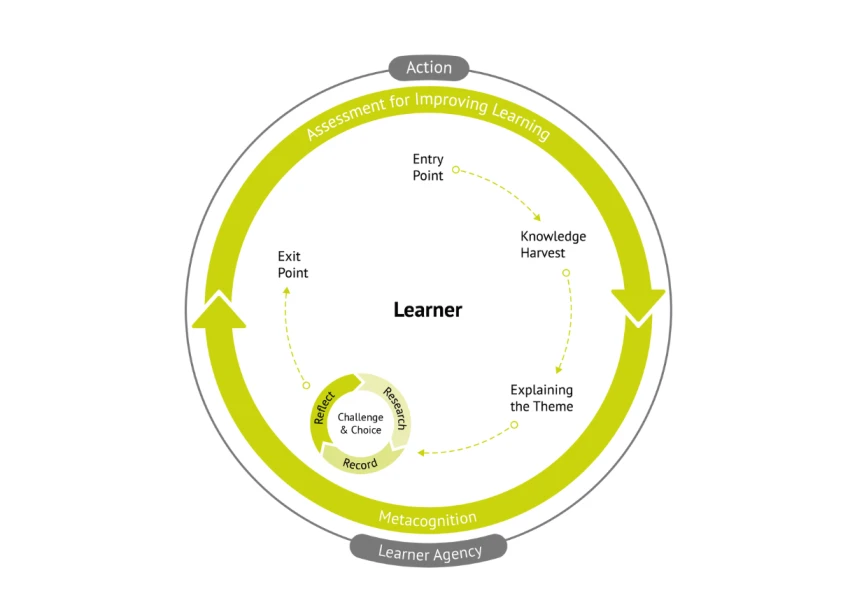
All IPC units follow the researched-informed Process to Facilitate Learning, with the learner at the centre. This is structured to ensure that children’s learning experiences are stimulating and effective:
Foundation 4 – Globally Competent Learners
All schools have the potential to develop globally competent students. It is crucial for learners to develop not only a strong interest in their own and other cultures and a deep understanding of multiple perspectives, but also a keen desire to help shape local and global communities through actions that impact positively on society.
Foundation 5 – Knowledge, Skills and Understanding are taught, learned and assessed differently
Across the IPC, Knowledge, Skills and Understanding are all considered valuable and are sufficiently distinct to be taught, learned and assessed differently. Our Learning Goals always make it explicit whether Knowledge, Skills or Understanding is being learned. Teachers are encouraged to ask children to consider what they are learning, what type of learning it is and how they are learning it.
Foundation 6 – Connected Learning
Connected learning enables students to see the wider context of their learning and to make connections both through and across different subjects. For example, in the IPC, subjects are integrated both independently and interdependently into different thematic units of learning so that learners can engage in dialogue from different viewpoints. Children should harness the power of connections and be able to answer the question: How is this learning relevant to me now and in the future?
Foundation 7 – Assessment for Improving Learning
In the IPC, assessment serves the purpose of improving learning. Formative assessment should take place regularly to allow for instructional adaptations, revised goal setting, feedback or even curriculum compacting. One of the greatest benefits of Assessment for Improving Learning is that it helps to develop metacognition which enables children to become more independent and committed learners.
Do you want to learn more about how to effectively implement the IPC?
Would you like to receive guidance to ensure your school’s curriculum is underpinned by the Seven Foundations? Get in touch to learn more about our new service, Coaching for Implementation, which offers personalised 1-1 support from one of our specialists throughout your first year of implementation.
Learn more about how to implement the IPC effectively at your school from the very start and how to tailor it to your unique context.
Sharon West is a dedicated and experienced leader in the field of education, currently serving as the Head of School Services for the International Curriculum Association (ICA). With a passion for enhancing educational quality and accessibility, Sharon plays a pivotal role in managing Recognition and Accreditation Services, ensuring that schools are equipped to meet rigorous standards.
In her role, Sharon oversees the entire Recognition and Accreditation process, meticulously quality assuring each step to maintain the highest levels of service delivery. Her commitment to excellence not only fosters trust and transparency in the accreditation process but also supports schools in continuing to remain learning focused.
Sharon also leads, mentors, and supports the Professional Development team. Under her guidance, the team generates high-quality professional development content accessible to schools worldwide. By utilising a range of delivery methods, Sharon ensures that educators everywhere have the tools and resources necessary to enhance their skills and elevate student learning experiences.
Driven by a shared vision of educational improvement, Sharon is dedicated to making a meaningful impact in schools globally, transforming challenges into opportunities for growth and success.
To mark the United Nations (UN) International Equal Pay Day on 18 September, we have introduced a new optional gender equality unit for our International Primary Curriculum (IPC).
The unit forms part of its ‘SDG Challenge Series’, which gives primary school students the opportunity to develop global competence through learning linked to each of the UN’s 17 Sustainable Development Goals(SDGs).
Gender equality is the focus of SDG 5, and IPC learners at participating schools will learn how to improve the lives and treatment of women and girls around the world through its new multidisciplinary unit.
According to research conducted by the Fawcett Society, 45% of young people experience gender stereotyping that expects them to behave in a certain way. This highlights the importance of learning about gender equality from a young age.
Jacqueline Harmer, Head of the International Primary Curriculum, said: “The international education community has a responsibility to improve students’ capacities to positively impact the world, and I am absolutely delighted to announce the launch of our new IPC unit which focuses on gender equality. It is clear that experiences during childhood have a significant impact on people’s outlook with regards to gender equality, and we have a real opportunity to shift the dial on creating a more equal society through education.”
The new unit will explore gender equality primarily through Creative Arts and Drama. Students will use Drama and Art as tools for research and will be encouraged to explore female representation in both disciplines and how it has changed throughout history, as well as learning about historical figures who have campaigned for gender equality. Teachers will also be empowered to analyse whether there is equal gender representation within their own curriculum.
Jacqueline Harmer added: “By utilising our framework of research influenced and culturally responsive curriculum materials, educators are able to deliver learning experiences that not only improve learners’ opportunities to succeed in later life, but to positively influence the world in the present. I am pleased that IPC learners will now be able to benefit from a learning unit which has been designed to empower girls and women, develop empathy and, importantly, encourage children to use their skills and understanding to positively impact their communities.”
The IPC is delivered to students aged 5 – 11 years old and it supports their Academic, Personal, and International development.
The International Curriculum Association (ICA) brings together the three age ranges of the International Curriculum: the International Early Years Curriculum (IEYC) for learners aged 2-5+ years old; the International Primary Curriculum (IPC) for learners aged 5-11 years old; and the International Middle Years Curriculum (IMYC) for learners aged 11-14 years old, with Professional Development for teachers and leaders and a two-stage Recognition and Accreditation process for schools, to ensure that with teachers, leaders and schools, we are improving learning, together.
We’re thrilled to present a spotlight episode of our International Curriculum Specialist Series guest-hosted by International Schools Network.
In this thought-provoking discussion, we delve into the unique experiences of educators working at international schools. Our esteemed guest, Martin Boother, Assistant Head at a prestigious international school in the UAE, offers valuable insights and practical advice for both seasoned educators and aspiring individuals considering a career abroad.
Unveiling the realities of International Education
The interview delves into a range of pertinent topics, including:
Leading in the UAE: Martin shares his journey and experiences as a senior leader at a renowned international school in the UAE.
Work-Life Balance and Wellbeing: Explore the unique challenges faced by international school staff and discover strategies for maintaining a healthy work-life balance while navigating cultural adjustments and living away from family.
Professional Development and Support: Learn about specialized resources and programs that international schools can offer to enhance staff wellbeing and support their professional growth.
Building a Strong Community: Discover how schools can foster a sense of belonging and combat isolation among educators.
Navigating Transitions: Get valuable tips and resources to assist educators during re-entry and transitions between international locations.
This episode is a must-listen for:
Educators currently working in international schools
Individuals considering a career move to an international school
School leaders seeking health and wellbeing strategies to support their international staff
Don’t forget to sign up to our new PD Hub, available to all educators worldwide! The International Curriculum Association Professional Development Hub has been developed with you in mind. We offer a comprehensive range of learning opportunities for teachers and leaders.
As everyone gets ready to return to school, there is a sense of anticipation in the air. Families are preparing everything their children need, while teachers have been busy during the preparation week. They’ve been attending back-to-back meetings, preparing class displays, organising student lists, arranging classroom layouts, creating timetables, and more. Behind the scenes at the start of the new academic year are layers of preparation. Every word, action, and activity in the learning experiences are meaningful, as they all stem from the rich curriculum foundation that all teachers must understand well.
At the beginning of the school year, it’s important to recall the school’s vision, mission, aims, and philosophy. This serves as a reminder of the direction of education in the school. The International Early Years Curriculum (IEYC) and International Primary Curriculum (IPC) Learning Foundations have been instrumental in guiding teachers as they plan activities, especially during the first week of school when students are undergoing their orientation week.
Progressive pedagogy is a foundational approach to learning that enables teachers to create environments where students actively construct their own learning experiences rather than just receiving information. Teachers use four categories of pedagogy as part of their planning and preparation:
Brain Based: Promoting retention in the long-term memory
Younger learners benefit most from play and visualization. Teacher Images Puzzle is an excellent game for familiarizing children with the teaching staff. In this game, children work in groups to solve puzzles. Once they complete a puzzle, they have the opportunity to meet and get to know the teacher featured in it.
Constructivism: Connecting new learning to prior learning
The school tour is a great way for both current and new students to familiarize themselves with the school. This is especially important when there have been relocations, new buildings or areas, and renovations. It allows students to compare the current school environment with the previous academic year.
Experiential and Active: The learners are fully engaged in learning activities
During the upper graders’ first week of orientation, students have the chance to brainstorm and come up with ideas. They elect class crews, make classroom agreements, and campaign against bullying. These activities not only keep them engaged but are also meaningful for their learning throughout the year.
Metacognition: Learning is improved by learner reflection
It is important to set goals for the upcoming academic year by reflecting on past learning experiences. This will help students enhance their learning. The insights gained from this activity can also provide valuable data for teachers to plan and support the learning activities for the year.
To all teachers and education leaders: As we start a new year of shaping minds and inspiring futures, remember that our dedication plants the seeds of excellence in every student. Embrace the journey, ignite curiosity, and witness the classroom flourish with endless possibilities. Let’s kick off the new academic year with excitement and a commitment to enhancing education for children worldwide from Day One!
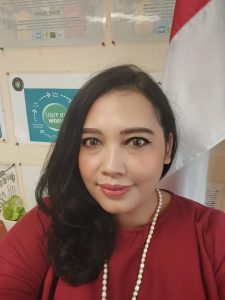
Principal for Early Years and Primary at Sekolah Cita Buana
Julie has dedicated over 28 years to working in education. She has extensive experience working with national and international schools in Indonesia and abroad. Julie has taught and developed curricula for young learners, teenagers, and professionals. Later in her career, she became actively involved in establishing and developing schools. Additionally, she has worked as a trainer and education consultant for various schools in Indonesia and Southeast Asia. Julie started her career as an English Teacher and later expanded her expertise as a Speech and Drama Teacher, Special Education Teacher, and School Manager.
The significant changes in the education sector motivated Julie to enhance her knowledge and skills in contributing to the decision-making processes and the establishment of bilingual schools, inclusive schools, and teacher development centers. Following the completion of her master’s degree in education management, Julie remains committed to promoting an inclusive education mindset, aiming to provide opportunities for all children with different abilities to learn at their own pace and according to their strengths. Julie aspires for educators and school leaders worldwide to collaborate in creating an environment that nurtures holistic growth in learners, where personal qualities are equally valued alongside academic achievement.

 Español
 Nederlands
 Chinese Mandarin